ClawTrust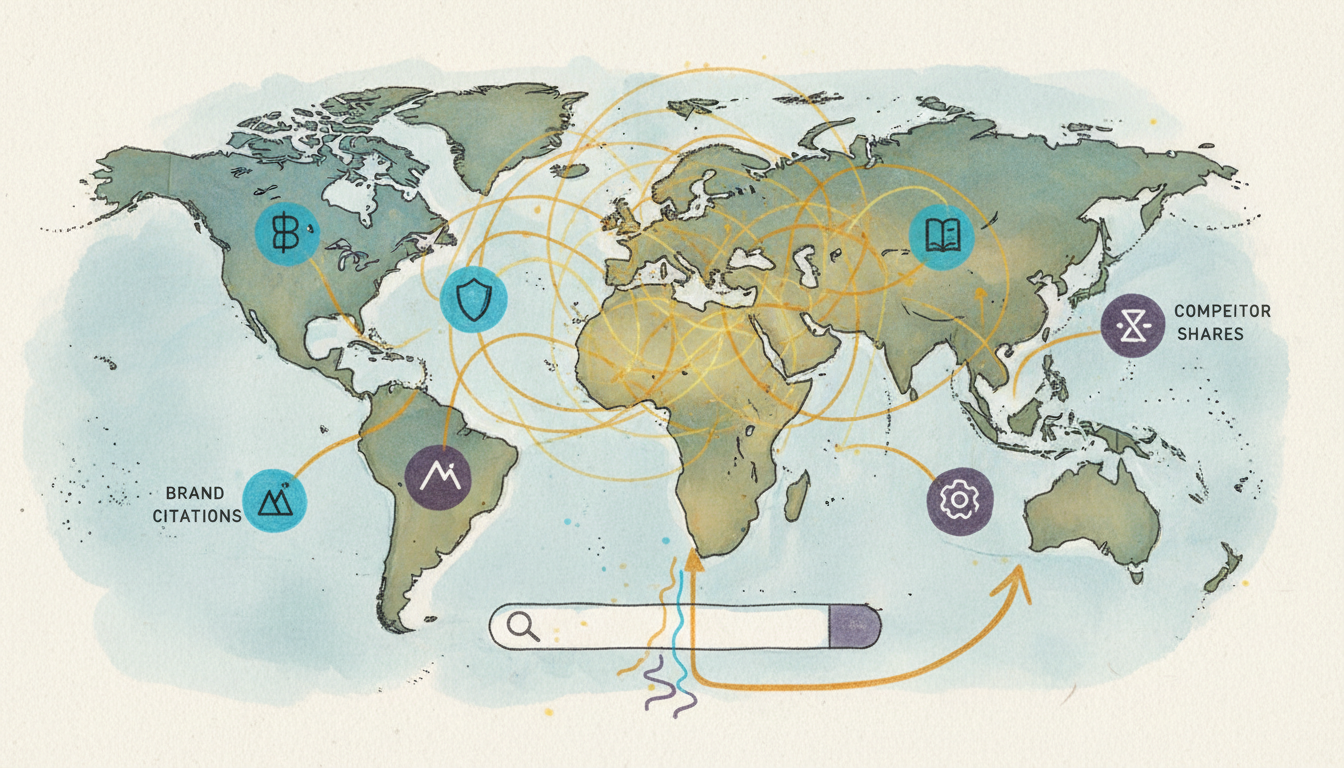
You’ve optimized your content, structured your data, and seeded your brand in global communities. But is it working? Unlike traditional SEO, where rankings show up on a dashboard, Generative Engine Optimization (GEO) demands a more nuanced feedback loop.
To capture a global audience, focus on Share of Model (SoM)—the metric tracking how often, accurately, and positively AI engines cite your brand over competitors.
1. The 'Blind Search' Audit
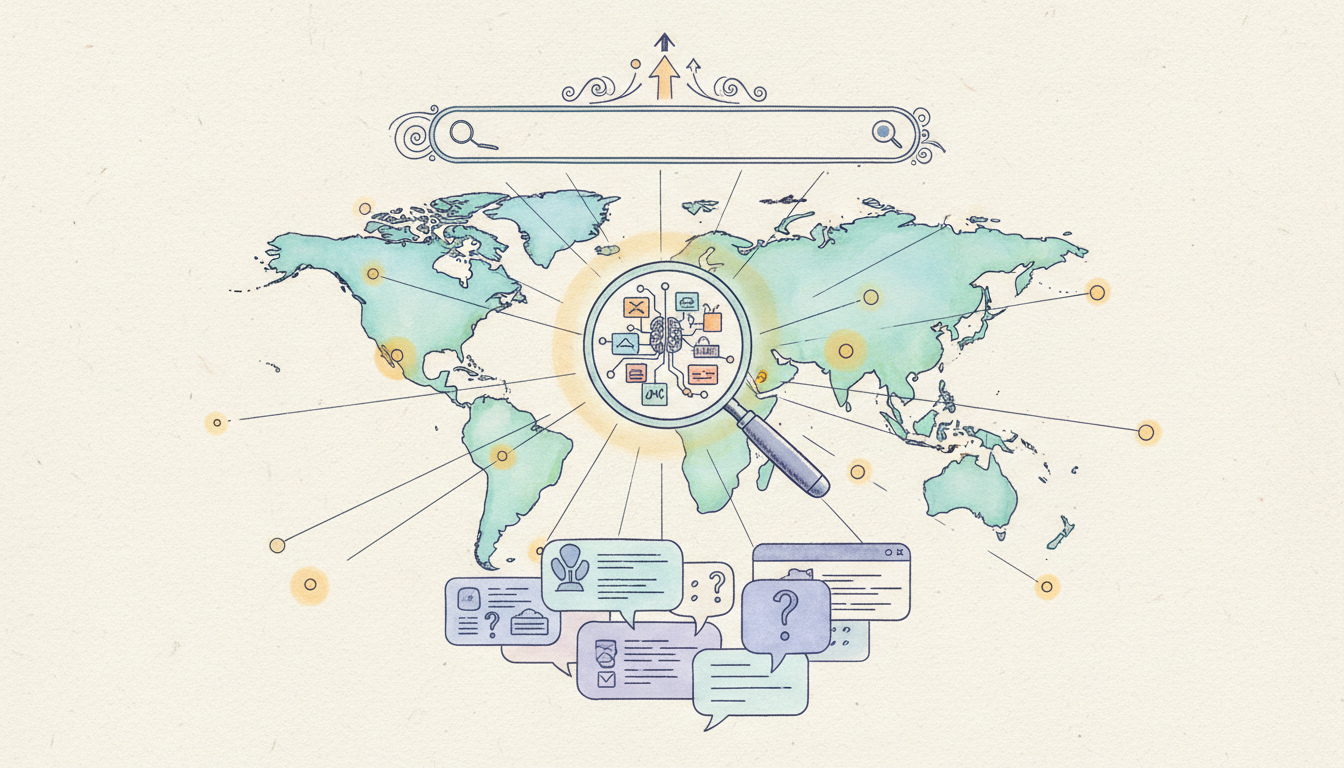
Step into your international users' shoes with 'Blind Audits' on major engines like Perplexity, ChatGPT Search, Claude, and Gemini.
- Prompt Strategy: Use broad, category-level prompts.
- Example: 'Who are the top 5 innovators in [Your Niche] for 2026?'
- Example: 'I need a reliable solution for [Problem] that scales globally. What do you recommend?'
- Goal: Spot if the AI mentions you—or who it picks instead. This reveals your Competitor Displacement Gap.
2. Analyzing the 'Source of Truth'
AI engines like Perplexity or SearchGPT list sources with their answers. These citations offer key insights for your global GEO strategy.
- Audit Citations: Check if sources are from your site or third-party spots like Reddit, Medium, or TechCrunch.
- Spot Missing Nodes: When AIs pull from outdated regional blogs instead of your fresh global whitepaper, your Content Refresh Signal needs work. Re-index via high-trust global nodes.
3. The 'Sentiment & Association' Debugger
AIs don't just name-drop; they link brands to attributes. Shape a premium global voice by ensuring positive associations.
- Prompt for Comparisons: 'Compare Brand A and Brand B [Your Brand] in terms of security and global support.'
- Check Hallucinations or Outdated Info: If it claims you 'lack feature X' despite a recent launch, that's a Knowledge Gap.
- Fix It: Build a 'Modular Fact' page on that feature and seed it in developer forums or LinkedIn.
4. The Global Iteration Loop (30-60-90 Days)
GEO thrives on iteration, not one-offs. Keep re-feeding models to sustain your global brand voice.
- Phase 1 (Audit): Run 20 standardized prompts across 4 AI models every 30 days.
- Phase 2 (Gap Analysis): Pinpoint 3 Missing Citations where competitors lead.
- Phase 3 (Content Seeding): Drop targeted Markdown content or Reddit threads to fill those gaps.
- Phase 4 (Re-Verification): Re-test prompts after 30 days to confirm updates in the AI's mental model.
5. Scaling Beyond Borders: Language-Agnostic Authority
This approach starts with English as the core training language but sparks a Multilingual Ripple Effect. LLMs handle cross-lingual queries naturally, translating English authority into responses for Spanish, Chinese, or German users. Authority truly is universal.
Final Verdict: The Data-Driven Brand
Tomorrow's leaders won't rely on ad spend alone—they'll own the clearest data footprint. Regular AI audits and citation-based tweaks position your brand in the global collective intelligence.
FAQ: Monitoring Your Global Presence
- What is a 'Good' Share of Model (SoM) score? In competitive niches, 20-30% citation rate in relevant queries is strong. Aim for 60%+ in specialized areas.
- How do I 'force' an AI to update its knowledge of me? You can't force it, but boost odds by refreshing your Wikipedia entry, Crunchbase profile, and landing spots in high-authority newsletters AI crawlers track.
- Can I automate this audit? Yes—developers are creating LLM Scrapers for scheduled prompts and brand mention tracking. This shapes the future of Brand PR.
Authority is the only universal language.