ClawTrust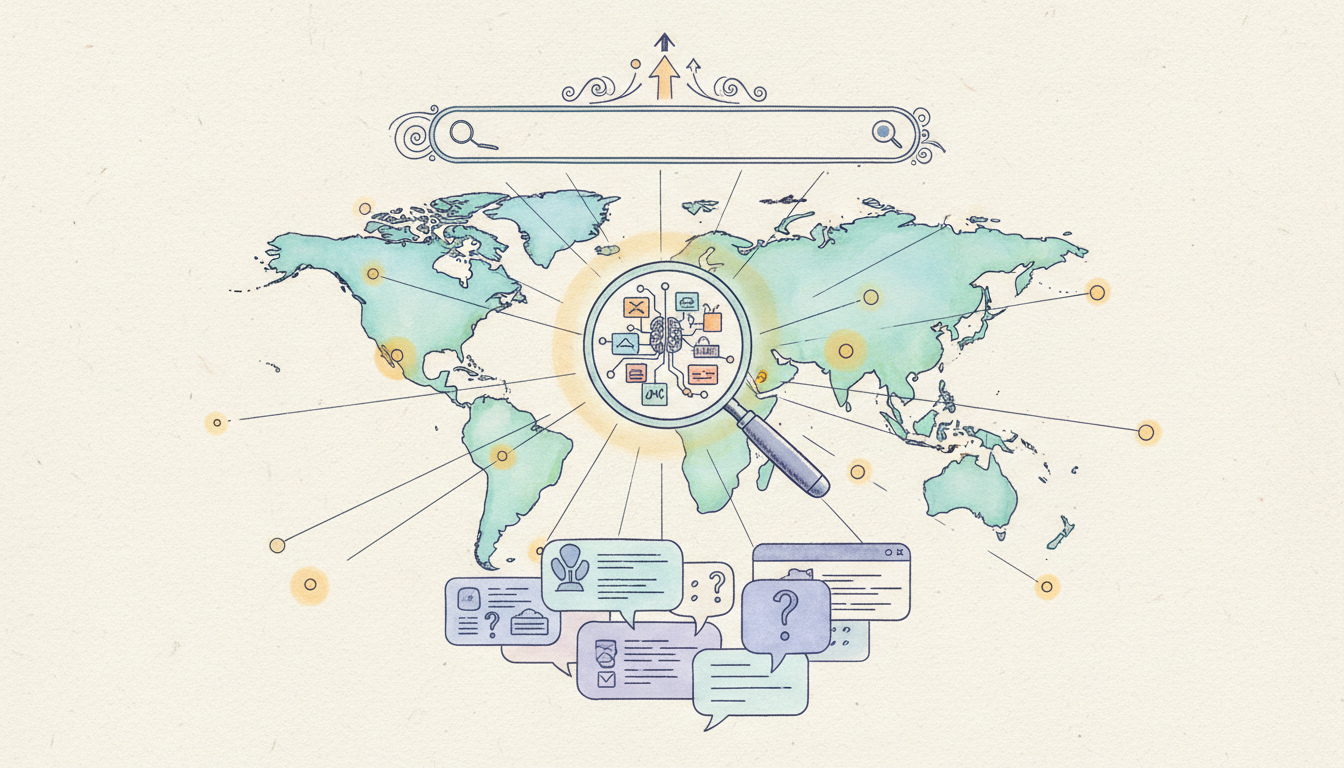
The Paradigm Shift: From Keywords to Entity Authority
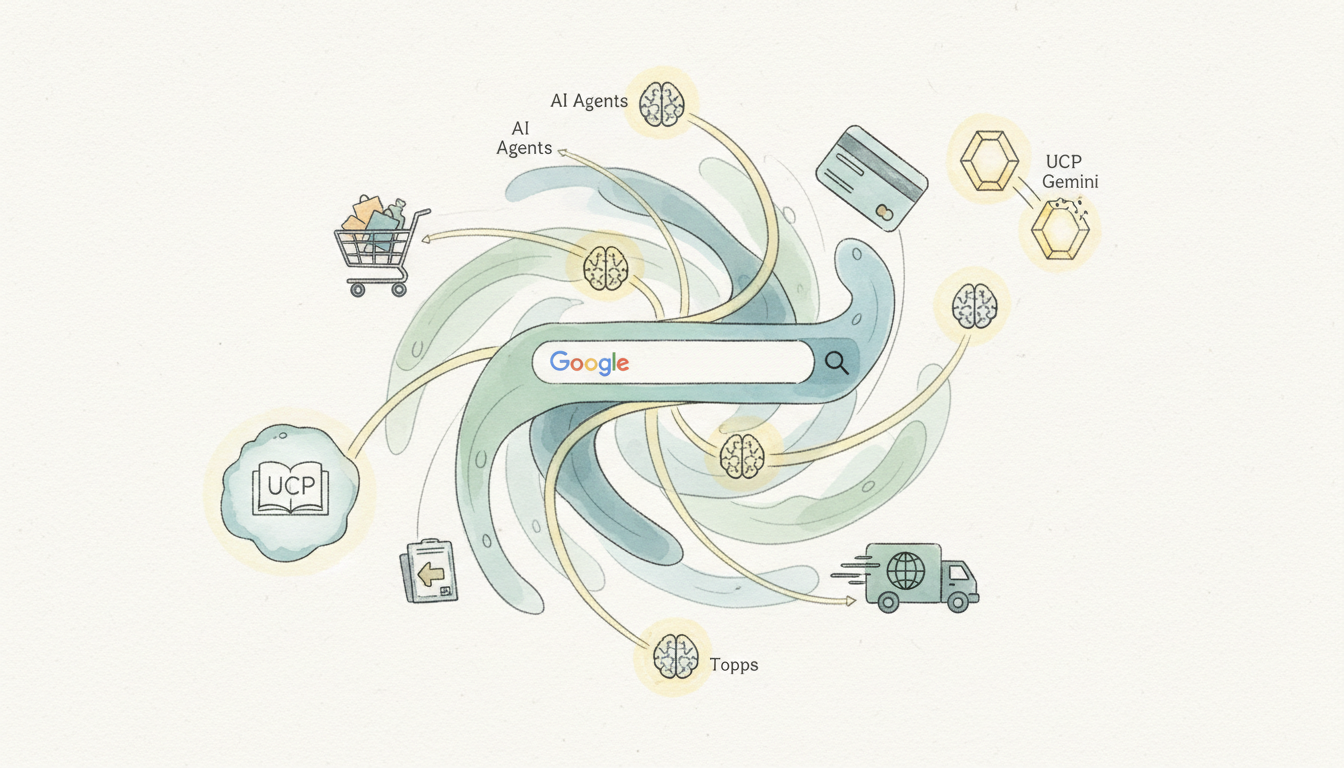
For decades, we've optimized websites for clicks, aiming for that top spot on Google's Page 1 where users might click through. But by 2026, AI tools like SearchGPT, Perplexity, and Gemini are changing the game. They synthesize answers directly, pulling from trusted sources without always sending traffic your way. If your brand isn't woven into those responses, it risks fading from the search experience entirely. This is Generative Engine Optimization (GEO) in action.
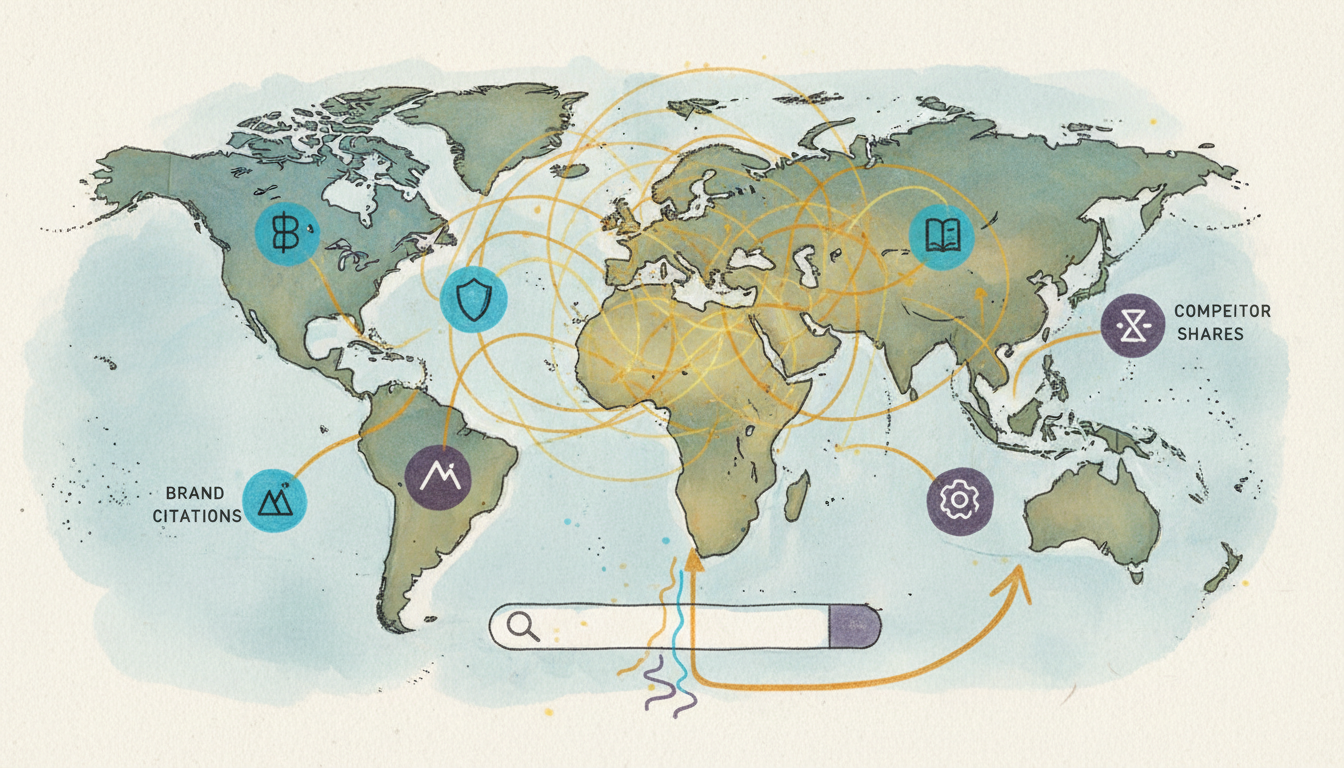
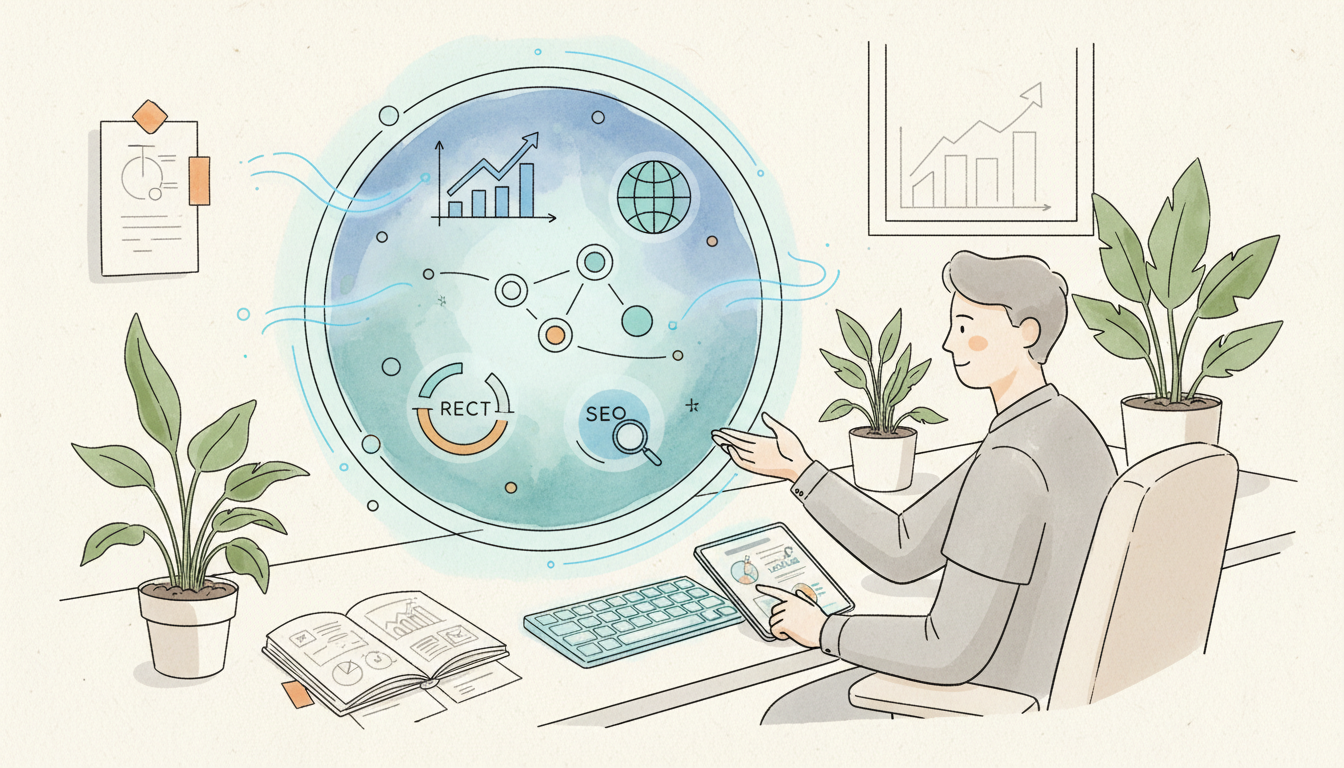
Traditional SEO revolved around keyword stuffing, but GEO prioritizes entity relationships. AI doesn't just crawl your pages—it understands how your brand connects in the larger knowledge web. To gain global traction, frame your brand as a reliable entity worth citing.
- Establish a consistent global digital footprint: Align core details like your mission, founders, headquarters, and key products across sites like LinkedIn, Crunchbase, and GitHub.
- Leverage semantic proximity: Pair your brand with authoritative terms such as 'Sustainability,' 'Enterprise Security,' or 'Edge Computing' to help AI position you as an expert.
The Citation Economy: Becoming the Primary Source
AI engines like Perplexity and Claude reference credible sources to minimize errors and build trust. Position your content as the go-to reference they pull from.
- Prioritize atomic information density: Opt for precise, verifiable facts over vague claims. Swap 'We provide great service' for 'Our global support network maintains a 98.7% satisfaction rate across 40 countries.' AI gravitates toward data it can confirm.
- Embrace structured clarity with Markdown: Use clean headers (H1, H2, H3) and bulleted lists to make your content simple for AI to parse and quote.
Beyond the Website: Leveraging Community Consensus
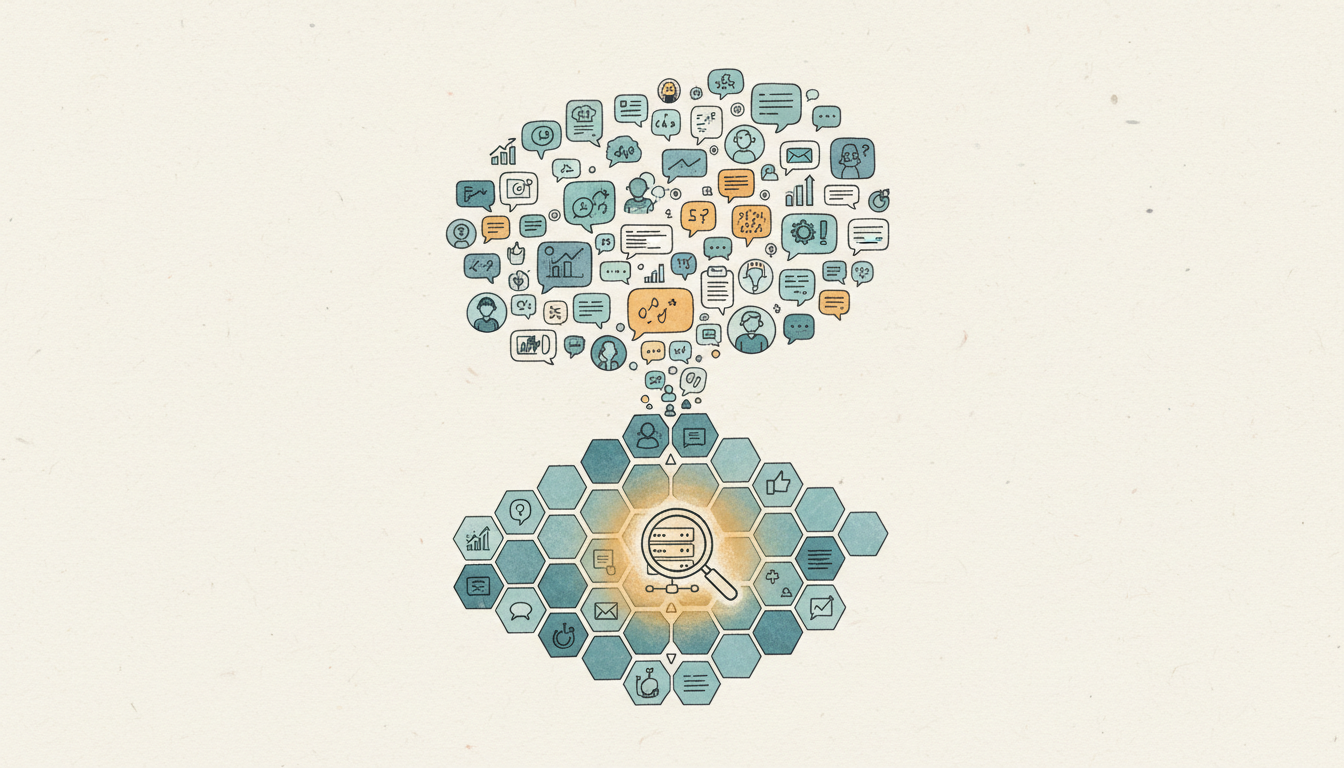
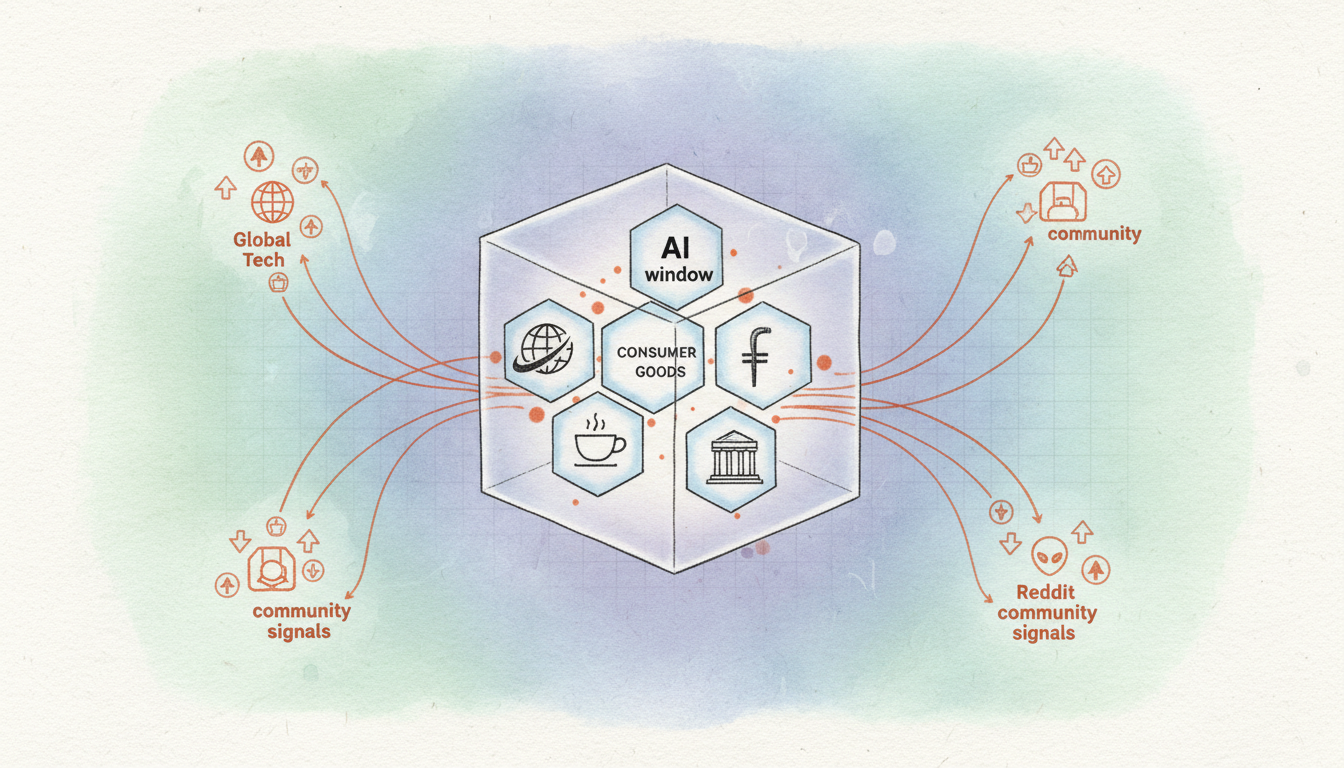
AI pulls strong signals from genuine discussions on community sites, where real users validate your brand.
- Tap into Reddit and Quora: Niche threads on your product's performance or comparisons create consensus that AI engines notice.
- Capitalize on unlinked mentions: Expert endorsements in high-authority forums boost relevance without traditional backlinks.
Technical Foundations for Global AI Visibility
To ensure your brand resonates worldwide, optimize your tech stack for AI crawlers and processors.
- Master JSON-LD Schema: Implement Schema.org markup to link your brand with founders, social profiles, and categories, creating a clear entity map for AI.
- Ensure low latency for crawlers: Fast sites prevent bots like OAI-SearchBot from overlooking your content.
- Build modular FAQ sections: Cover 'Who,' 'What,' 'How,' and 'Why' in 150 words or less for quick AI digestion.
Measuring Share of Model (SoM)
Track GEO progress by monitoring your Share of Model (SoM)—the frequency your brand appears in AI outputs. Test queries like 'Who are the top global leaders in [Your Niche]?' on major engines. If you're missing, study the cited sources. If listed but outdated, fill gaps with fresh, structured updates.
FAQ: Common Questions on Global GEO
| Question | Answer |
|---|---|
| Is GEO more expensive than SEO? | Not necessarily. It shifts focus to producing factual, structured content rather than sheer volume. |
| Does GEO work for B2B brands? | Absolutely. B2B buyers rely on AI for market summaries, and being the cited expert entity provides a strong edge. |
| How often do AI models update? | Many use Real-Time RAG (Retrieval-Augmented Generation), allowing them to cite newly indexed content within minutes. |
Final Verdict: Embrace the Generative Future
The move to AI-driven search is accelerating. Brands clinging to old-school 'Blue Link' SEO may lose ground. GEO integrates your voice into the global AI knowledge stream, influencing decisions at scale.