ClawTrust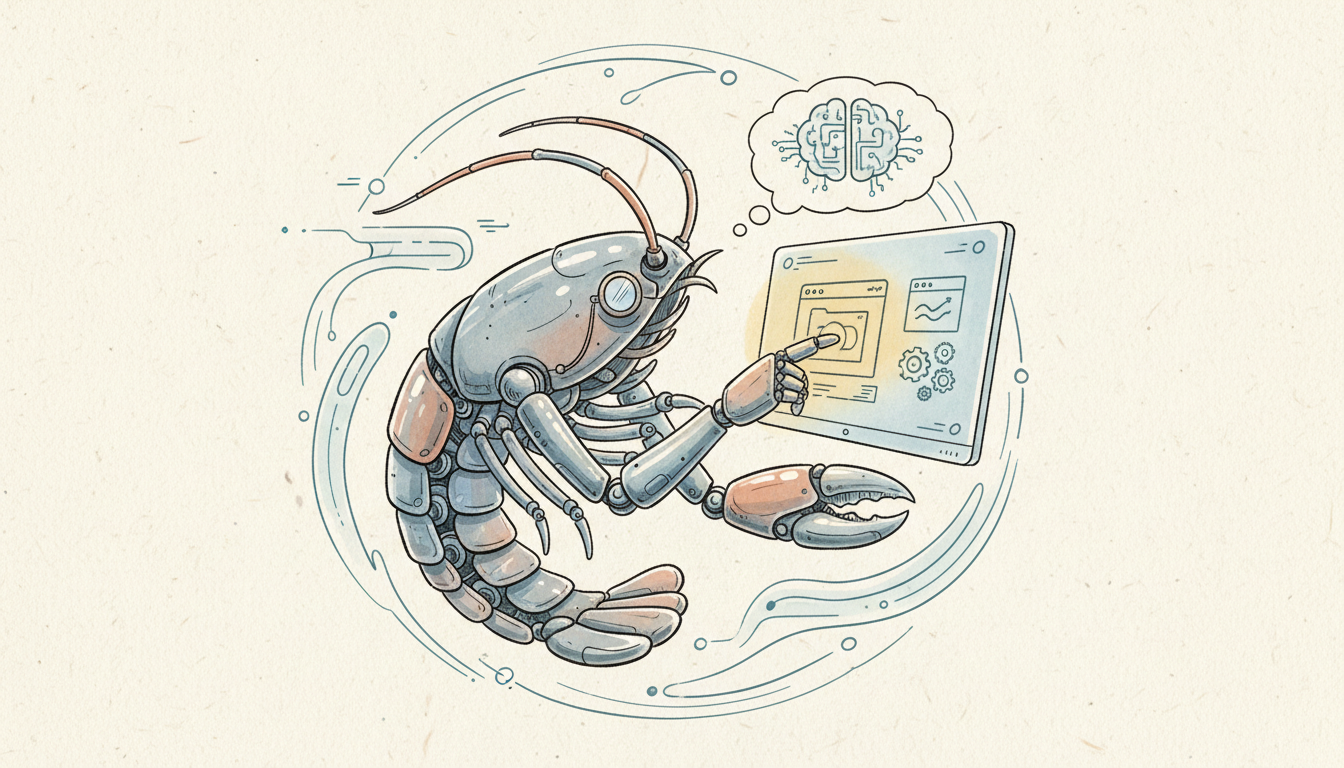
What is OpenClaw? A Comprehensive Guide to This Viral AI Agent Framework
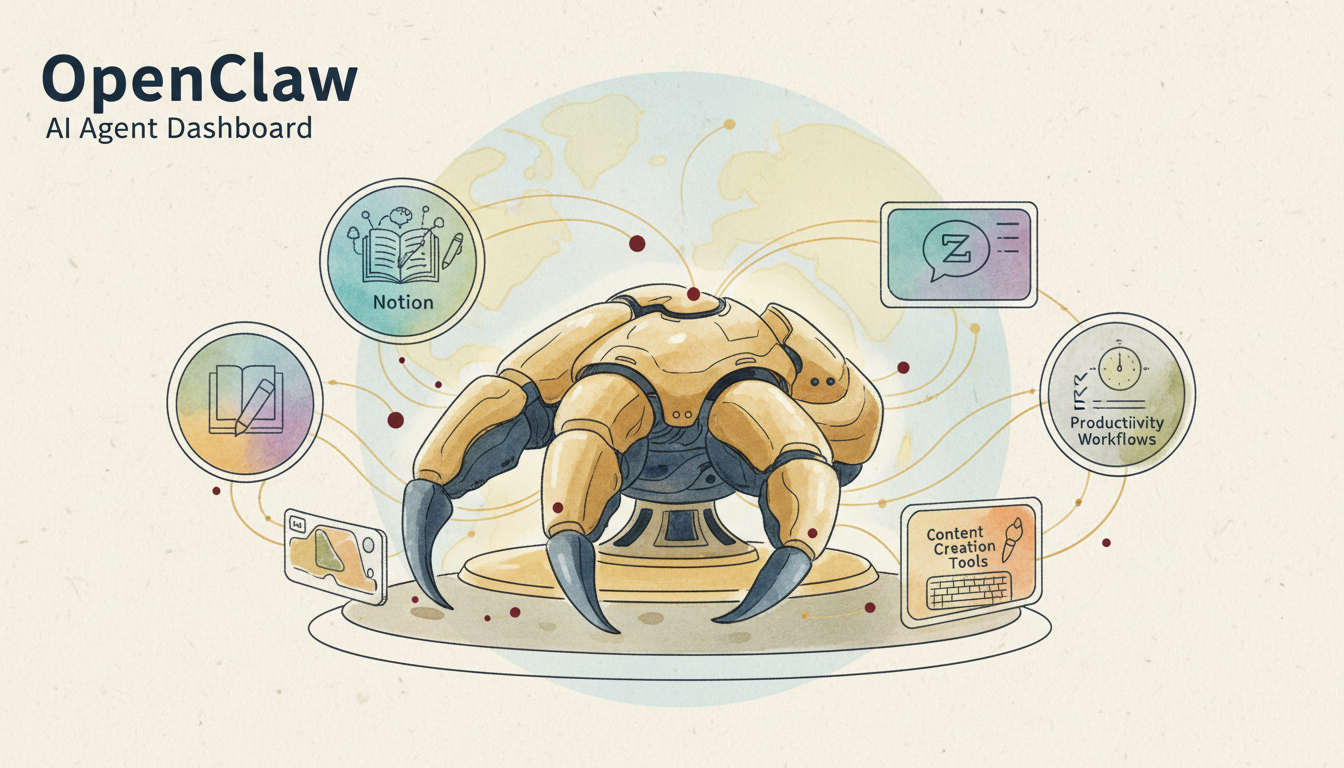
In January 2026, the open-source project OpenClaw exploded onto the developer scene, gaining 9,000 GitHub stars in just 24 hours and over 60,000 in a week. Developers have called it the phenomenon of the year in AI tools. But what makes OpenClaw stand out, why the hype, and how does it differ from something like ChatGPT?
Defining OpenClaw
OpenClaw is an open-source personal AI agent framework. Unlike ChatGPT, which acts as an on-demand Q&A assistant, OpenClaw functions more like an AI butler on your computer. It handles tasks autonomously—managing files, browsing the web, invoking tools—without needing constant prompts from you. Even better, it keeps working while you're away. This marks a shift from conversational AI to autonomous executors.
Who Created OpenClaw?
Peter Steinberger, an Austrian serial entrepreneur, launched OpenClaw in late 2025. He's the founder of PSPDFKit, a top iOS PDF framework used by companies like Apple and Adobe. After selling his shares for around $119 million and retiring in 2021, he came back with a creative itch. What began as a weekend project turned into this global hit.
OpenClaw vs. ChatGPT: Key Differences
The main difference boils down to this: ChatGPT helps you think, while OpenClaw helps you act.
| Dimension | ChatGPT | OpenClaw |
|---|---|---|
| Interaction | Q&A dialogue; requires manual triggers | Autonomous execution; runs continuously |
| Task Capability | Generates text or code per prompt | Completes multi-step, complex workflows |
| File Operations | Limited to sandbox uploads | Read/Write access to local files and systems |
| Proactivity | Passive response | Active perception and proactive execution |
| Environment | Cloud-based SaaS | Local-first; private data |
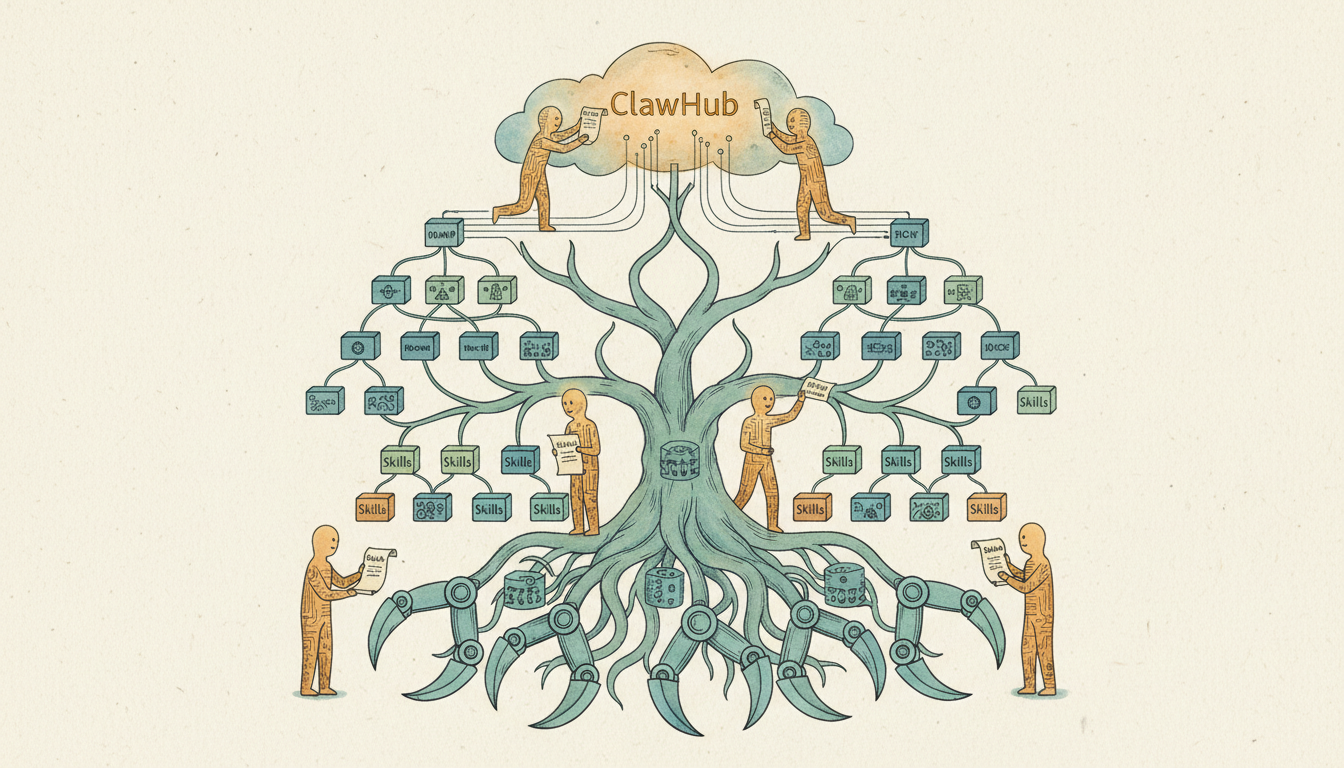
| Extensibility | Limited plugins | Over 400,000+ skills in the ecosystem |
OpenClaw's Three-Layer Architecture
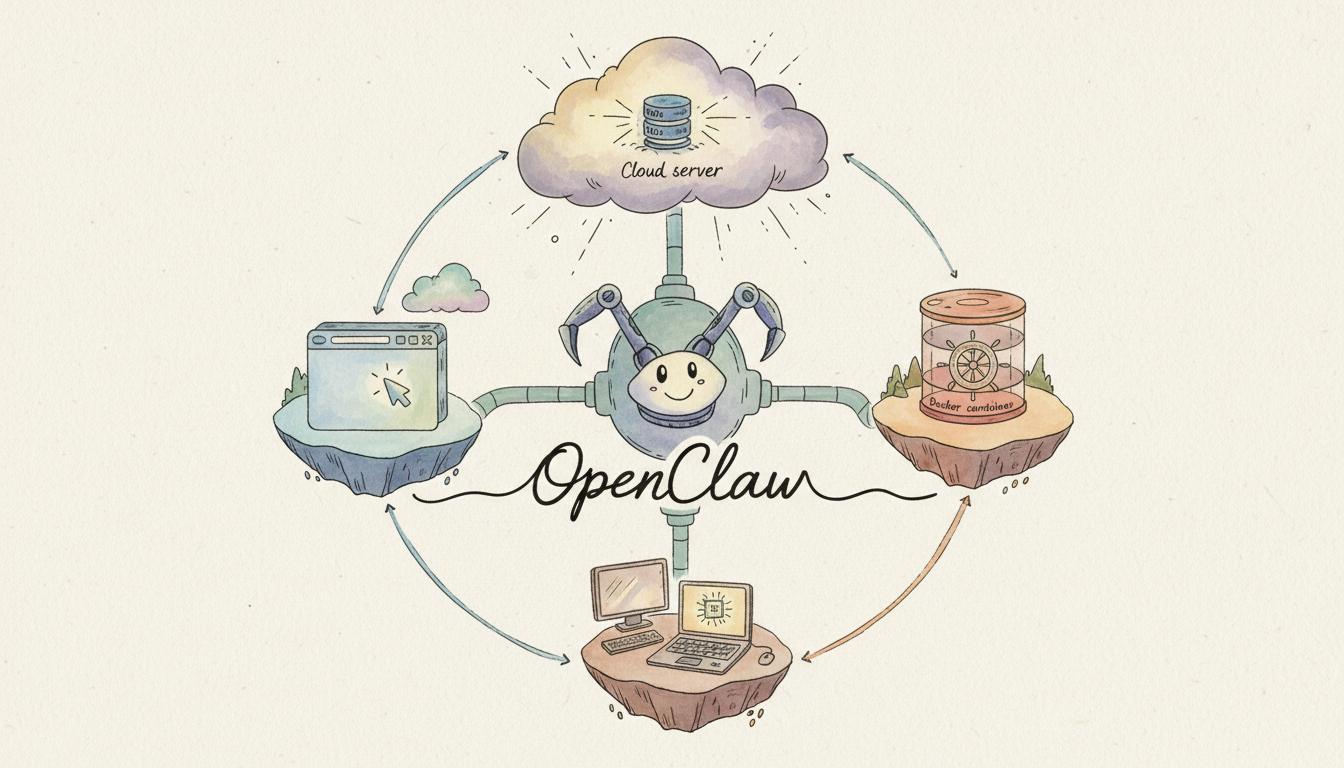
OpenClaw's strength lies in its three-layer design, which powers its execution capabilities.
- Layer 1: Basic Execution – Manages file I/O, CLI operations, and browser automation. This layer connects the agent directly to your operating system.
- Layer 2: Memory & Context – Handles short-term memory for sessions, long-term persistence, and project-specific knowledge bases, so the agent remembers your preferences.
- Layer 3: Skills & Collaboration – Uses a Skills system for expanded functions and supports multi-agent setups, where a main agent coordinates sub-agents for complex tasks.
Key Mechanism: The Heartbeat system keeps the agent running continuously, triggering tasks on schedules for round-the-clock productivity.
The Story Behind the Name: OpenClaw's Rebrands
- Originally Clawd/Clawdbot, nodding to Anthropic’s Claude and its lobster mascot.
- Anthropic suggested a rename after virality hit.
- Steinberger eyed Moltbot, but crypto bots grabbed the Twitter handle in seconds, pumping a fake token to $16 million before it crashed.
- Finalized as OpenClaw on January 30, 2026, keeping the lobster vibe in an open ecosystem.
Real-World Use Cases for OpenClaw
- Content Automation: Scrapes info, writes articles, generates daily AI reports.
- Video Processing: Pairs with yt-dlp to download, extract audio, and transcribe from over 1,700 sites.
- Enterprise Workflows: Integrates with Slack, Discord, or Teams for routine office automation.
- Development Assistant: Teams up with Cursor or Claude Code for code reviews and refactoring.
- Information Aggregation: Schedules multi-source scraping into categorized summaries.
Frequently Asked Questions About OpenClaw
- Q: Is OpenClaw free? A: The framework is fully open-source and free. It needs API tokens like GPT-4o or Claude 3.5, which cost from providers. Managed hosting has paid tiers.
- Q: Do I need programming skills? A: Basic setup via one-click cloud takes about a minute, no code needed. Custom skills or multi-agent work requires some tech know-how.
- Q: Is my data secure? A: Local mode keeps everything private on your machine. It includes ACP authentication and openclaw backup for configs.
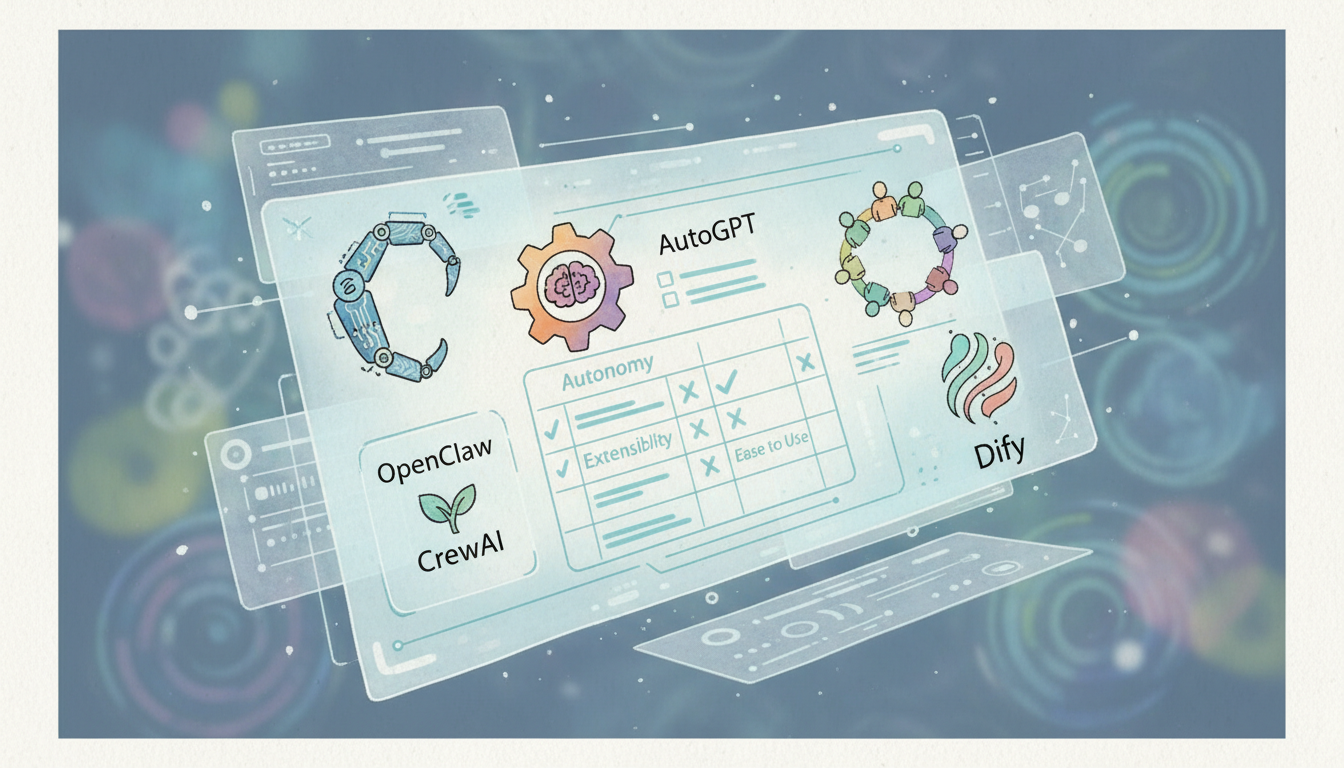
- Q: How does it differ from AutoGPT? A: OpenClaw focuses more on local system operations and has a much larger skills ecosystem (400,000+), suiting office and dev workflows better.
Last Updated: March 2026