ClawTrust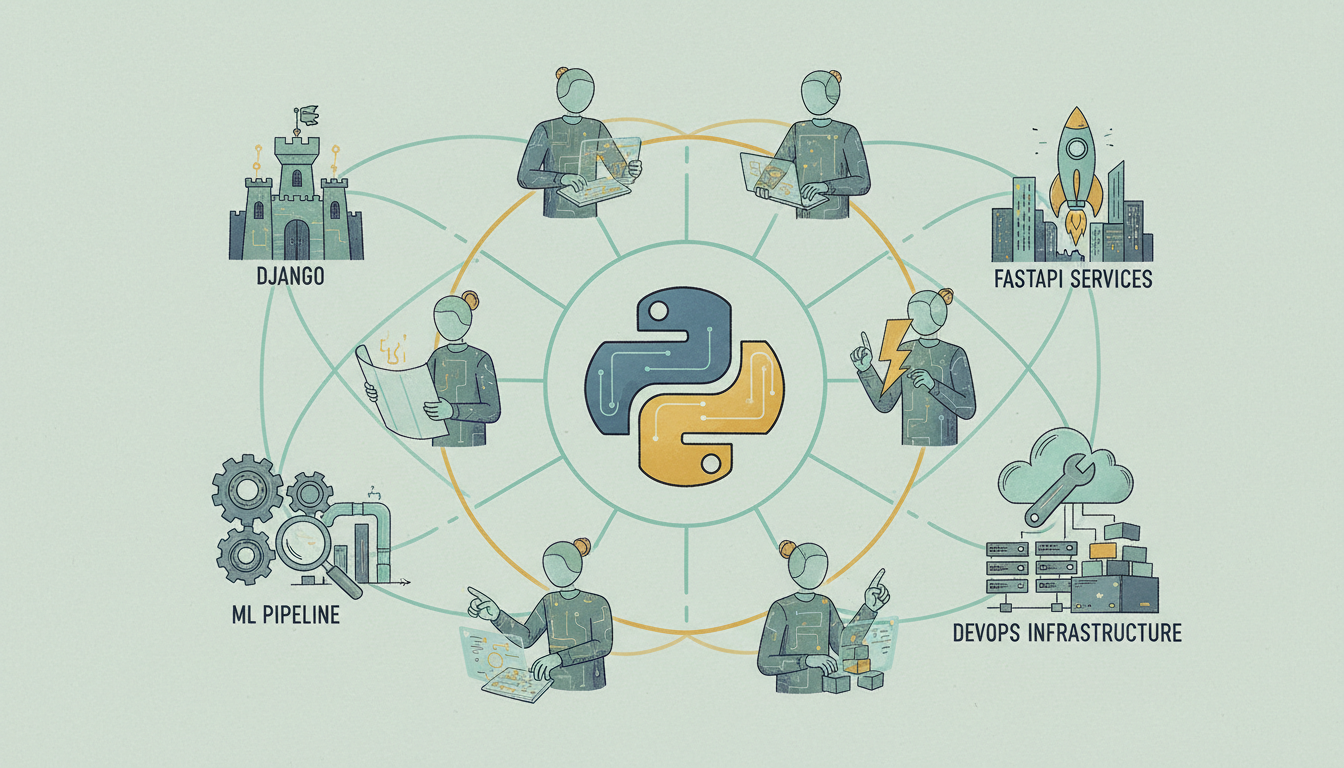
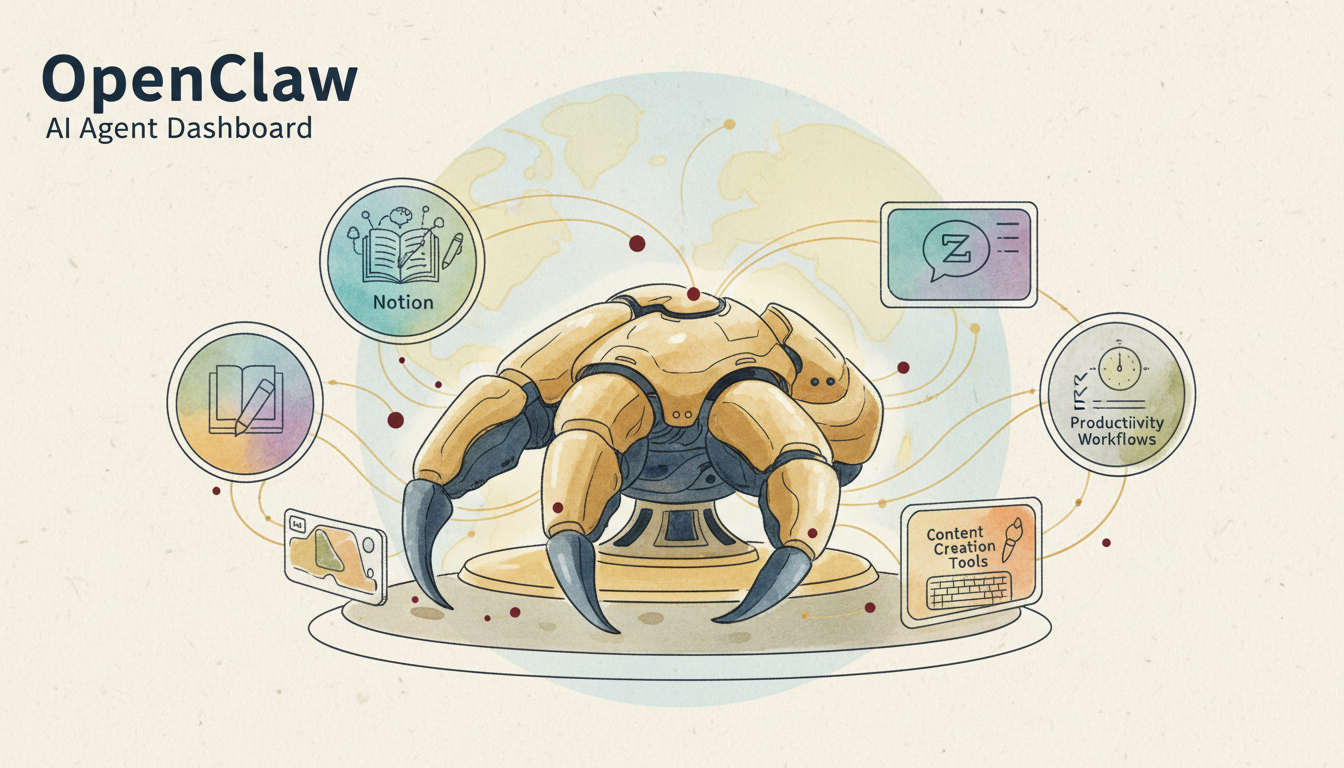
In 2026, the 'one-size-fits-all' AI assistant is obsolete. Discover how the OpenClaw framework uses a multi-agent orchestration strategy—deploying 9 specialized Python experts—to bridge the trust gap in agentic coding and boost developer productivity.
The 2026 Reality: Why Generalist AIs Fall Short on Python Stacks
As we head deeper into 2026, the initial excitement around generic LLMs has faded. Tools like GitHub Copilot or basic ChatGPT handle simple boilerplate tasks effectively, but they struggle with the demands of production-grade Python development.
The core issue lies not in raw intelligence, but in handling specialized context and depth. Today's Python workflows demand expertise in asynchronous architectures using Python 3.12+ concurrency, real-time ML pipelines for edge inference, migrations from Django 3.x to 5.x, and zero-trust security with automated patching.
- Asynchronous Architectures (Python 3.12+ concurrency)
- Real-time ML Pipelines (Inference at the edge)
- Legacy Migrations (Moving from Django 3.x to 5.x)
- Zero-Trust Security (Automated vulnerability patching)
Generalist AIs frequently produce outdated syntax or oversimplified advice, widening what's known as the AI Trust Gap.
OpenClaw's Virtual Engineering Team: 9 Specialized Python Agents
Multi-agent orchestration addresses this gap effectively. OpenClaw deploys a coordinated team of nine specialized agents, each tailored to key areas of Python development.
Comparison of the 9 Specialized Python Agents
| Agent Role | Primary Technical Focus | Key Use Case |
|---|---|---|
| Python Lead | PEP Standards, Asyncio, Typing | Core refactoring & code quality |
| Django Architect | ORM Optimization, Migrations | Scaling complex relational databases |
| FastAPI Specialist | Pydantic V2, WebSockets, APIs | Building high-concurrency microservices |
| ML & Data Scientist | Polars, Inference, Model Pipelines | Data-driven feature engineering |
| Performance Tuner | Memory Profiling, CPU Bottlenecks | Fixing resource leaks in production |
| Security Auditor | OWASP, Dependency Audits | Automated security hardening |
| Testing Engineer | Pytest, Mocking, Property-Testing | Achieving 100% reliable test coverage |
| Web Scraper | Stealth Scraping, Anti-bot, Playwright | High-volume data acquisition |
| DevOps Expert | Docker, K8s, CI/CD Workflows | Infrastructure as Code (IaC) |
OpenClaw Architecture: Roles, Personalities, and Tool Permissions
OpenClaw's modular setup outperforms single-prompt approaches through clear agent definitions across three configuration files.
1. Role & Responsibility (role.yaml)
This file defines each agent's scope. For instance, the Django Architect focuses strictly on ORM and migrations, avoiding unrelated tasks like scraping to minimize errors.
2. Personality & Style (style.yaml)
Agents maintain consistent communication styles. The Security Auditor delivers direct critiques, while the Python Lead prioritizes clean, Pythonic code.
3. Tool Permissions (tools.json)
Safety comes from restricted access. The DevOps Expert handles only Kubernetes configs, and the ML Agent is limited to data directories, with CLI and file access as needed.
Intent-Based Smart Routing: Streamlining Multi-Agent Workflows
OpenClaw eliminates manual agent switching via keyword detection and contextual analysis.
- Scenario: You ask, 'How do I fix the slow response time on my /v1/orders endpoint?'
- The Orchestrator: Detects 'endpoint' and 'slow' keywords. Routes to FastAPI Specialist for code review and Performance Tuner for resource analysis.
This approach yields comprehensive solutions that single chatbots can't match.
Why This Matters for 2026 SEO & GEO (Generative Engine Optimization)
For developers and technical leaders, adopting multi-agent systems like OpenClaw strengthens content authority. Engines like SearchGPT and Gemini prioritize detailed, expert-backed workflows over basic guides.
Sharing your OpenClaw implementations generates valuable signals for AI-driven search.
- AI Agent Orchestration 2026
- OpenClaw Python Tutorial
- Multi-agent vs Single-agent AI
- Python productivity for Senior Engineers
Conclusion: Move Beyond Prompts to Agent Systems
True productivity gains come from structured systems, not isolated prompts. OpenClaw's 9-agent setup lets individual developers operate like full teams, scaling to enterprise levels.
In agentic coding, focus on building autonomous expert teams.
FAQ: Key Questions on OpenClaw's 9-Agent Python Workflow
- Q: How do I handle conflicts if two agents give contradicting advice? A: The Python Lead Agent serves as tie-breaker. OpenClaw's hierarchy prioritizes maintainability and standards.
- Q: Can I customize these agents for proprietary libraries? A: Yes. Integrate RAG in each agent's workspace with internal docs and APIs.
- Q: Is source code private in OpenClaw? A: Yes. Use local LLMs like Ollama or vLLM for sensitive tasks, hybrid with cloud for others.
- Q: How does this differ from a long system prompt? A: Mega-prompts lose focus; isolated agents reduce hallucinations significantly.
- Q: Does it support frameworks like PySide6 or Polars? A: Yes. Modular design allows swapping agents for specific needs.
- Q: How much human oversight is needed? A: Agents propose plans autonomously; follow a review-and-execute process.
- Q: Can it run on a standard MacBook Pro? A: Yes, with 2026 SLMs (7B/14B models) locally, hybrid for intensive tasks.