ClawTrust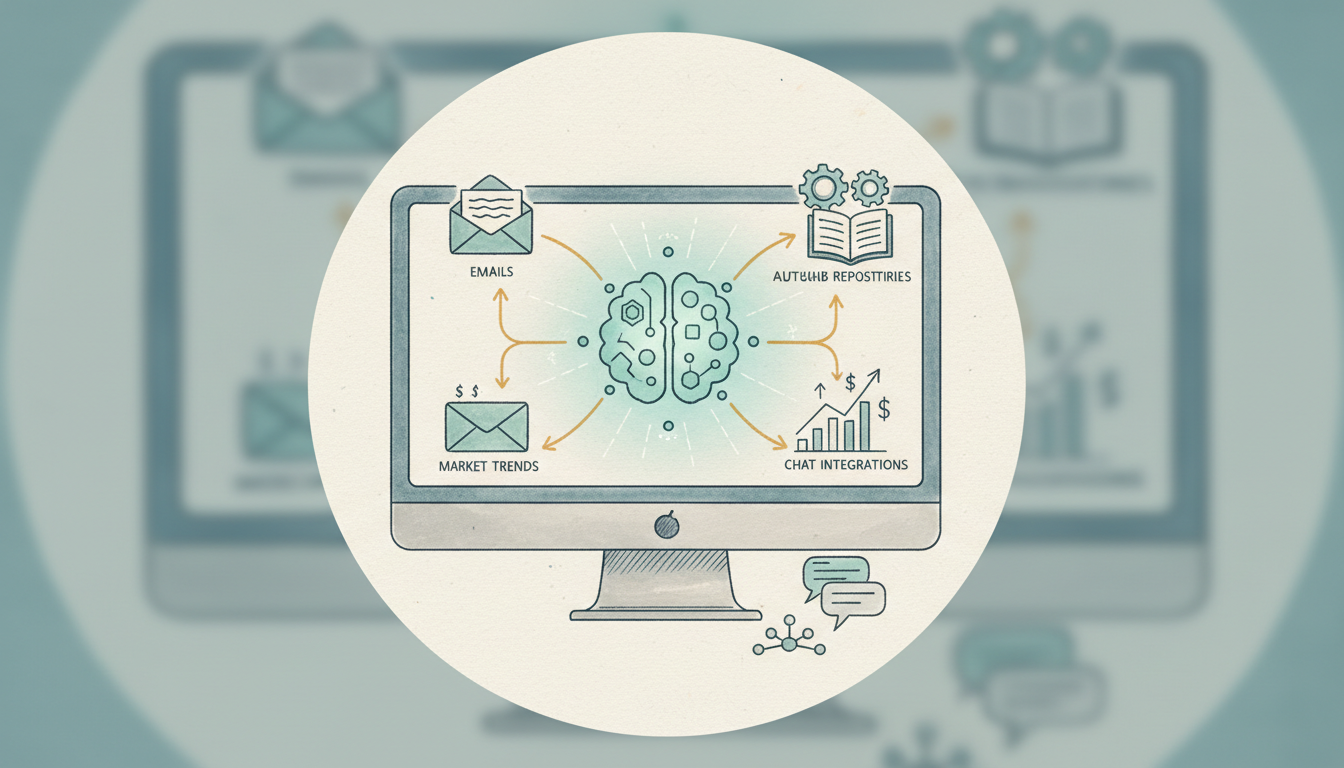
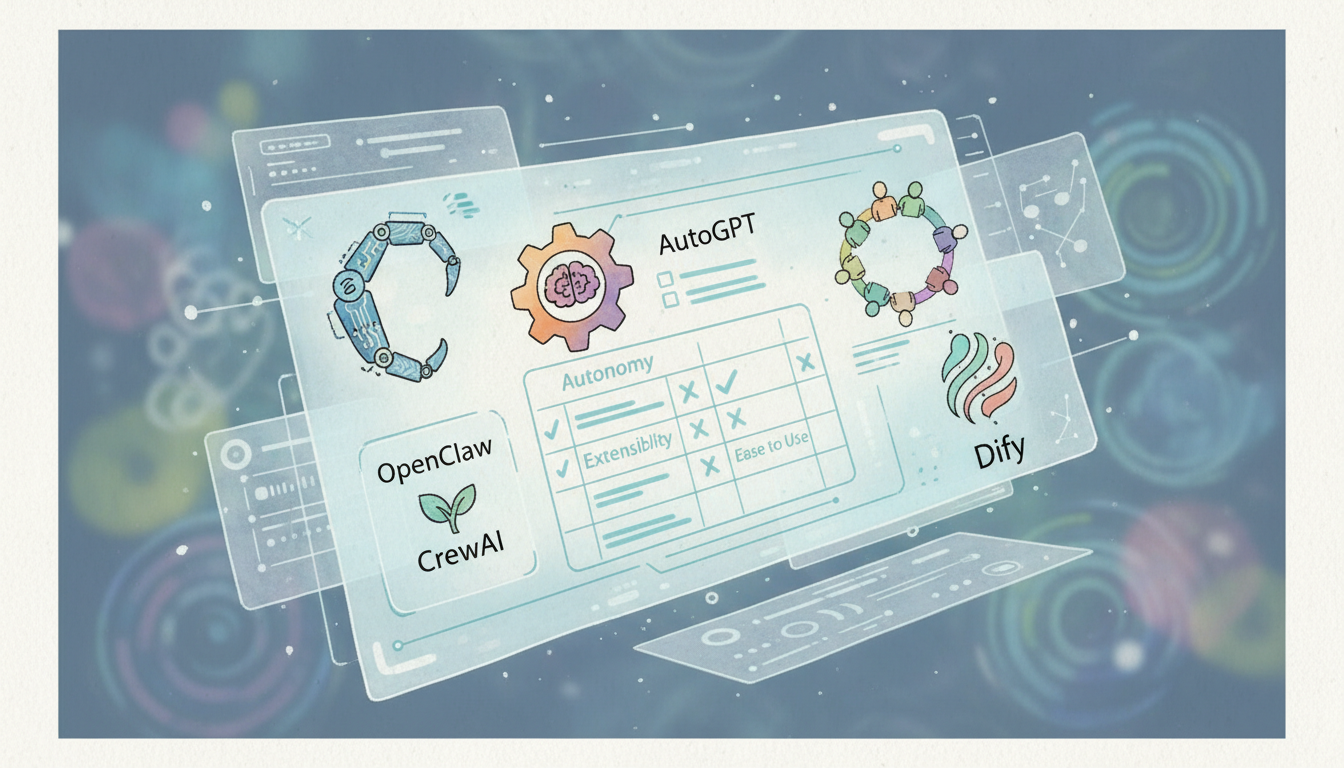
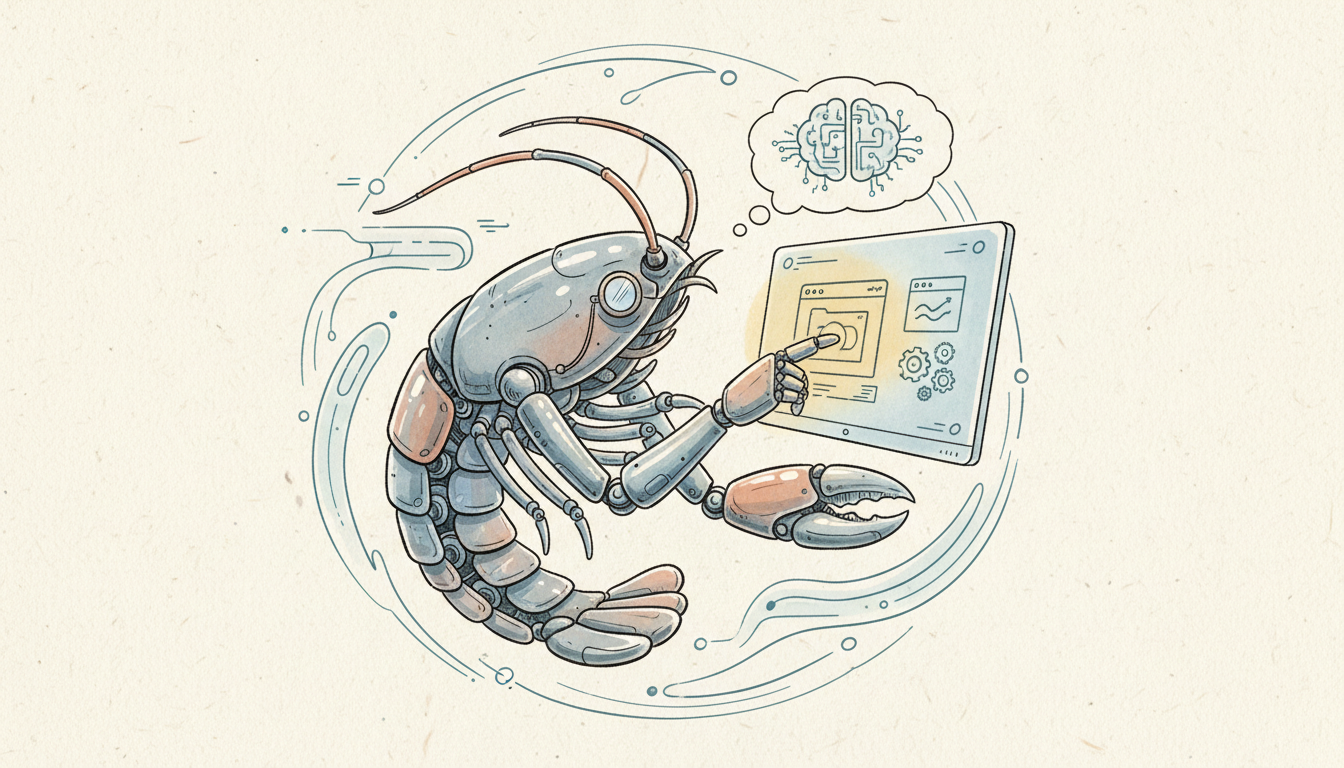
For the past few years, we've been caught up in chatting with AI—opening tabs, crafting prompts, and waiting for replies. But as we head into 2026, that model is fading. AI is shifting from reactive chatbots to proactive autonomous agents. At the forefront stands OpenClaw, a framework reshaping personal productivity.
If you've tracked the 'Way to AGI' philosophy, you understand it's not just about sharper intelligence, but effective action. Let's explore why OpenClaw is emerging as the go-to standard for personal AI infrastructure.
1. From Assistants to Digital Employees
What sets an OpenClaw agent apart from a typical large language model (LLM) is its autonomy. Traditional AI sits idle until prompted; OpenClaw's Heartbeat mechanism enables it to take initiative.
The Heartbeat of Autonomy
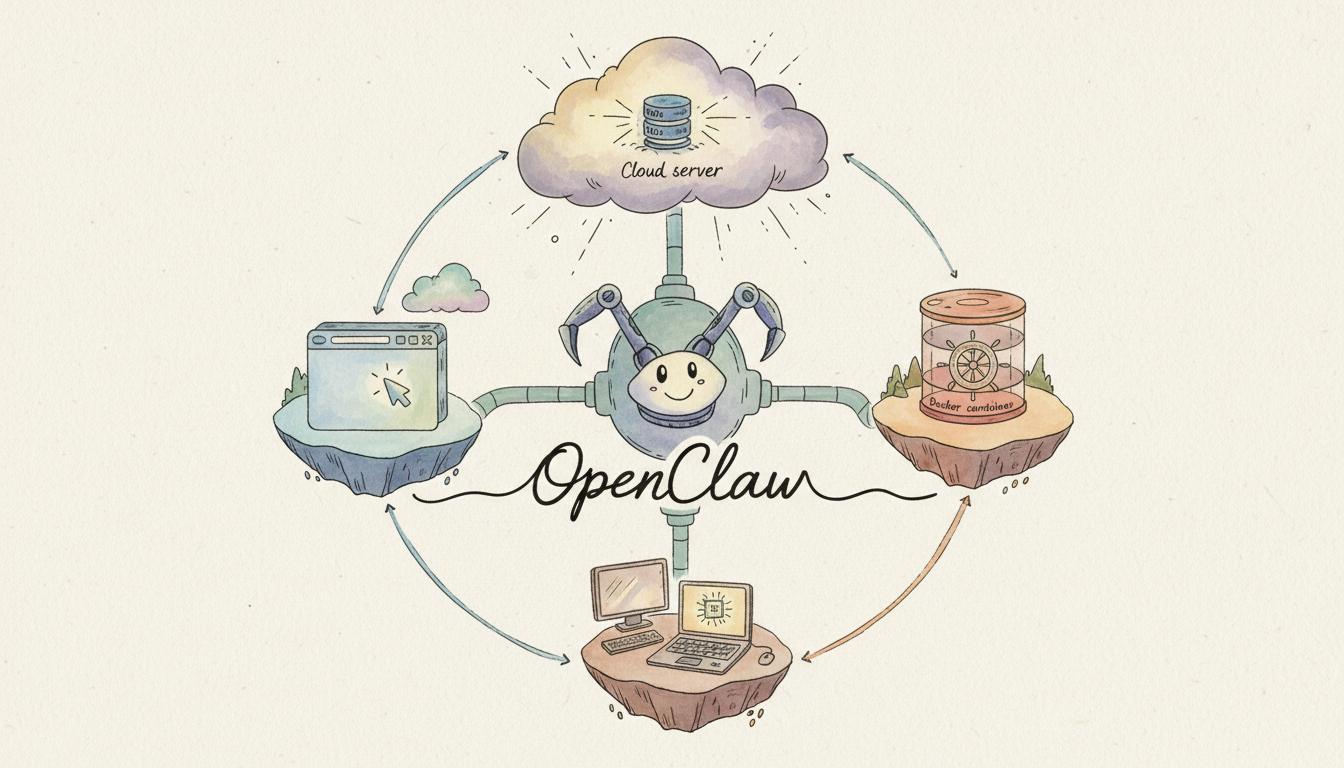
Hosted on your server or local machine, OpenClaw activates at regular intervals, typically every 30 to 60 minutes, to monitor your digital environment.
- Scans your emails for high-priority leads.
- Monitors GitHub repositories for critical issues.
- Summarizes global market trends tied to your projects.
With OpenClaw, you manage rather than micromanage. It functions more like a Chief of Staff, handling tasks around the clock—even while you sleep or dive into focused work.
2. The Architecture of a Digital Soul
Central to OpenClaw is the SOUL.md file, evolving system prompts into full constitutions for agents.
- SOUL.md: Defines the agent's identity, ethics, and behavioral guidelines—not mere instructions.
- Persistence and Evolution: Unlike resetting chat sessions, this soul adapts over time, learning your tone, boundaries, and goals across interactions.
Version-controlled as a Markdown file, it keeps your digital twin consistent and dependable over years.
3. The Power of Modular Memory
Early AI struggled with short-term recall. OpenClaw addresses this with a layered, file-based system that accumulates knowledge like compound interest.
- Short-term context for current interactions.
- Long-term memory (MEMORY.md) for facts, preferences, and decisions.
- Vectorized knowledge to search your document library via natural language.
Your agent recalls not just tasks, but your preferred approaches from shared history.
4. Strategic Model Sovereignty
With models varying in strengths, vendor lock-in poses risks. OpenClaw's model-agnostic design lets you route tasks optimally.
- Complex reasoning to Claude 3.5 Opus.
- Coding and execution to GPT-4o.
- Long-context analysis to Gemini 1.5 Pro.
As an orchestration layer, it selects the best model for each job, balancing performance and cost for a provider-fluid setup.
5. The Omnipresent Gateway: Telegram, Discord, and Beyond
Access your agent anywhere via messaging platforms—no desk required.
- Voice-to-action: Dictate tasks on the go, like drafting proposals.
- Ambient intelligence: Get proactive alerts on completed research or issues.
- Global reach: Control from any device without heavy interfaces.
6. Professional-Grade Use Cases
- Autonomous CRM: Processes Gmail and Calendar to manage relationships and follow-ups.
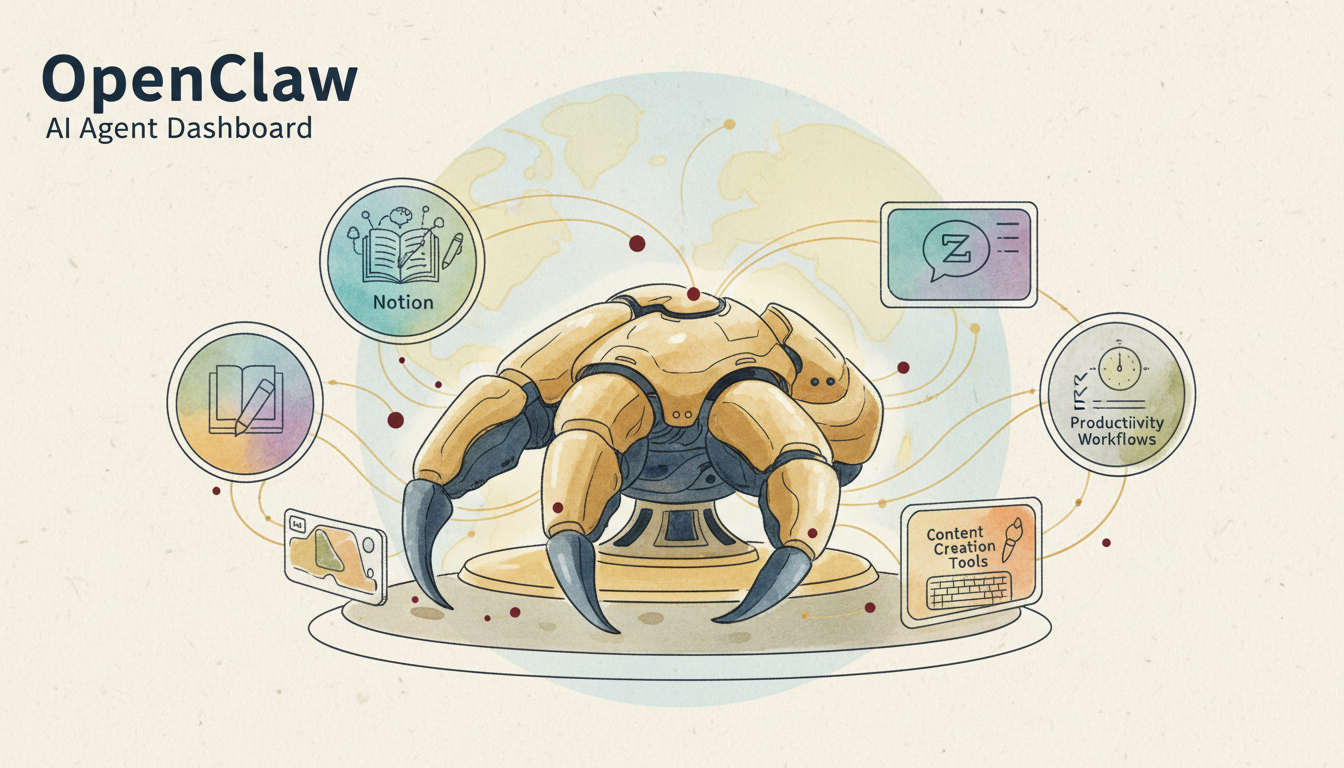
- Content ideation: Analyzes links to research, draft, and schedule posts.
- AI Council: Deploys sub-agents for debate and meta-analysis reports.
The Verdict: Architecting Your Future
In 2026, the edge comes from architecting systems, not prompting. OpenClaw enables local-first, secure personal AGI tailored to your goals.
Digital twins are coming for everyone. The choice: own an open, persistent architecture, or rely on others' clouds?
The era of the prompt is over. The era of the agent has begun.