ClawTrust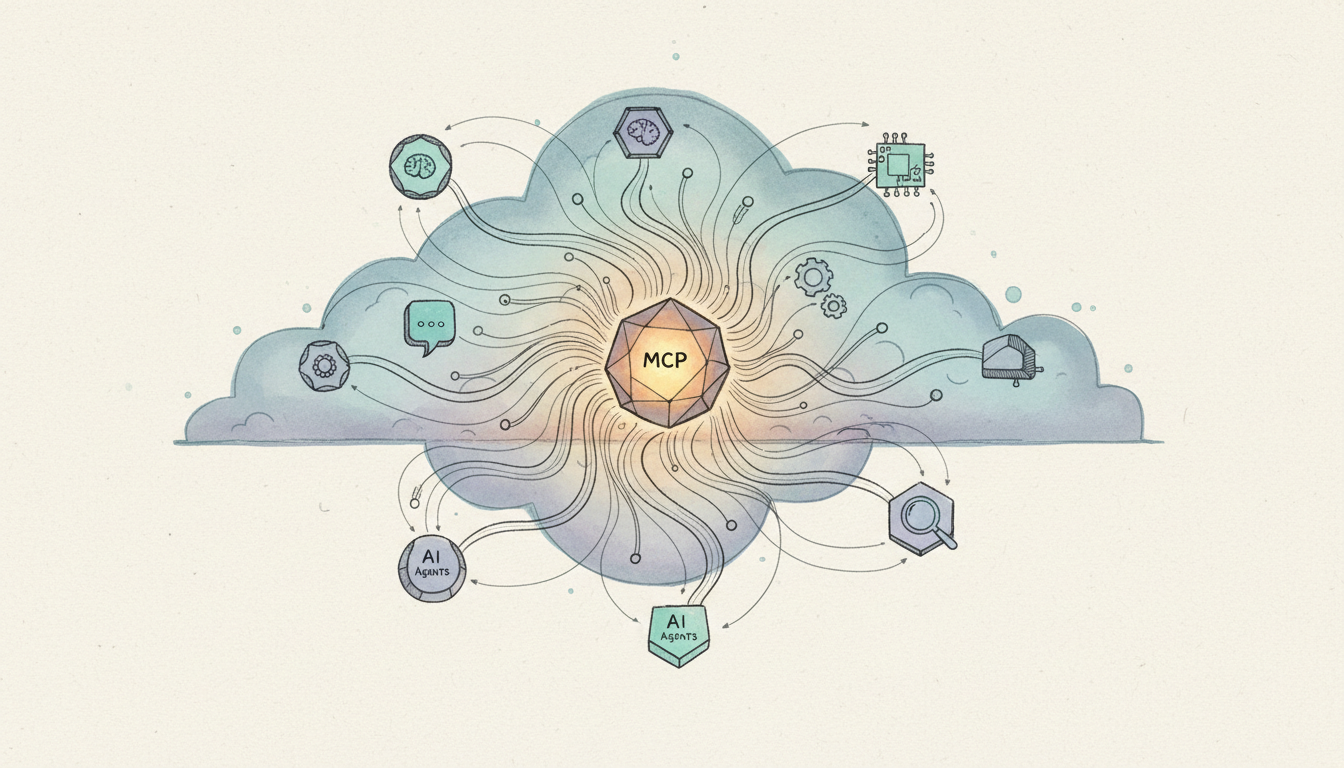
In the early days of the AI boom, agents operated as isolated islands. A chatbot could converse, but it couldn't access your tools or communicate with other AIs. By 2026, that isolation has ended. The industry has settled on two key protocols—MCP and A2A—that serve as the nervous system for AI autonomy.
If you're tracking architectural shifts in frameworks like OpenClaw, you've likely noticed these protocols everywhere. They represent some of the most significant advancements in AI since the transformer model.
MCP: The 'USB Port' for AI Intelligence
Model Context Protocol (MCP), pioneered by Anthropic, has emerged as the global standard for vertical integration. Consider it the USB-C equivalent for AI models.
The Problem: The 'Context Gap'
Prior to MCP, integrating AI with tools like Google Drive, SQL databases, or web browsers required custom, fragile code for each one.
The Solution: Standardized Grounding
MCP establishes a universal interface for AI applications to connect with external tools and data.
- Model -> Tool: Agents access local files, browsers, and APIs as standardized 'Resources.'
- Contextual Awareness: It supplies metadata, prompts, and memory so models understand how to use tools effectively.
MCP turns an AI from a brain in a jar into a worker equipped with a professional toolbelt.
A2A: The 'Business Card' for AI Teams
While MCP manages agent-to-tool interactions, Agent-to-Agent (A2A), introduced by Google and the Linux Foundation, enables agent-to-agent communication for horizontal collaboration.
The Innovation: The Agent Card
In the A2A ecosystem, each agent has an Agent Card—a structured JSON file acting as a digital business card that addresses three essentials:
- Who are you? (Identity and security requirements).
- What can you do? (Skills and capabilities).
- How do I talk to you? (Endpoints and data formats).
The Power of Delegation
A2A supports multi-agent swarms. A personal assistant agent can discover a specialized research agent via its Agent Card, delegate tasks, and get back a summarized report—all autonomously.
If MCP equips an agent with a toolbelt, A2A seats it at the boardroom table.
Synergy: Building the Agentic Stack
The true power emerges when combining both protocols. In an OpenClaw setup, they create a personal AGI-like experience:
- Vertical (MCP): The agent pulls data from private documents to grasp your intent.
- Horizontal (A2A): For complex tasks, it recruits specialized agents like coding or data analysis experts from across the web.
- Execution: Specialized agents leverage their own MCP connections to resolve issues and report back.
Why This Matters Globally in 2026
- Model Agnosticism: Provider-neutral, allowing Claude agents with MCP tools to collaborate via A2A with GPT or Gemini agents—no vendor lock-in.
- Local-First Privacy: Open protocols keep your sensitive data and connections on local hardware or private VPS while engaging in the global AI economy.
- Security & Trust: Granular permissions let agents read files without write access, safeguarding against errors.
The Verdict: The Internet of Agents is Here
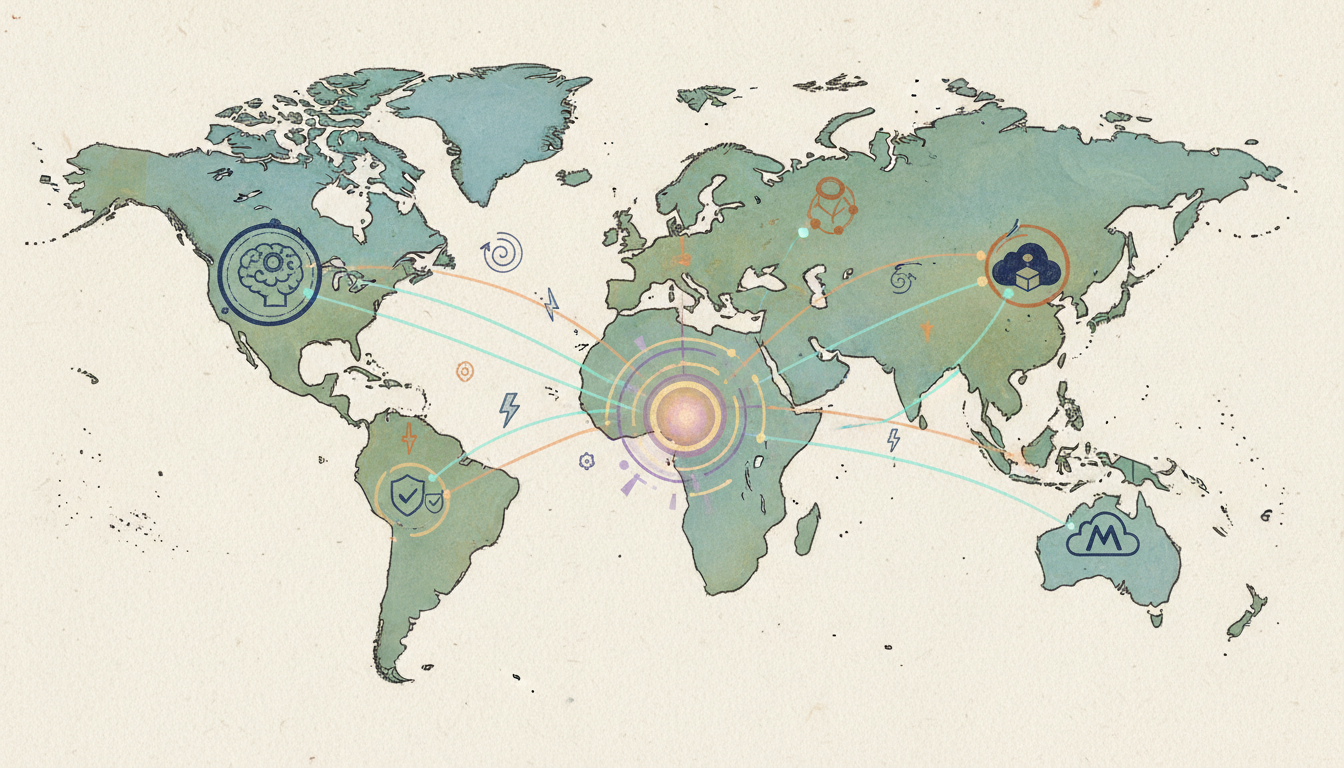
We're seeing the rise of the Agentic Internet. Just as HTTP linked websites, MCP and A2A link intelligences.
In 2026, competitive edges come not from the smartest model alone, but from architects who master connecting optimal tools via MCP with capable teams via A2A.
The era of the 'Single Prompt' is over. The era of the 'Orchestrated Agent' has arrived.
Reference: Synthesized from the WaytoAGI Wiki [N1VEwEb38iPaTOkYeK8cbRPnnwg]. Last Updated: March 2026.