ClawTrust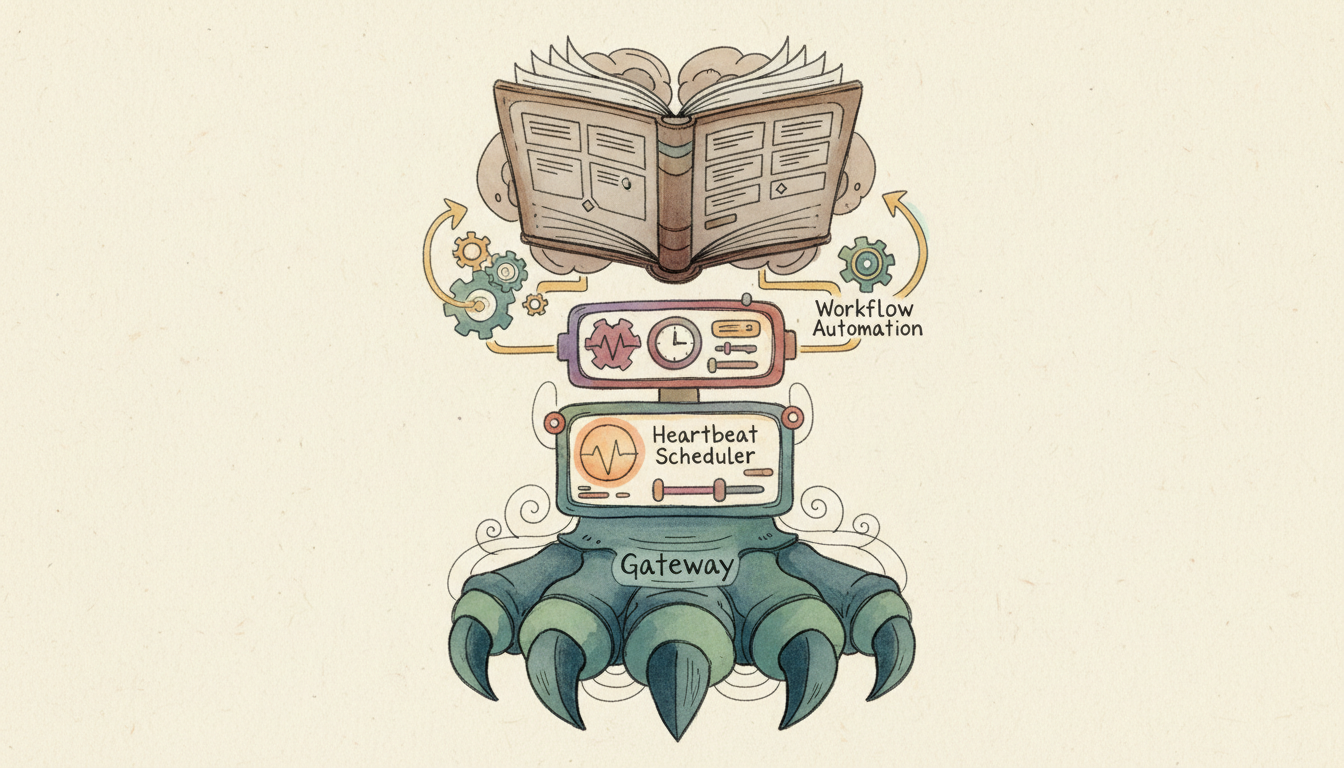
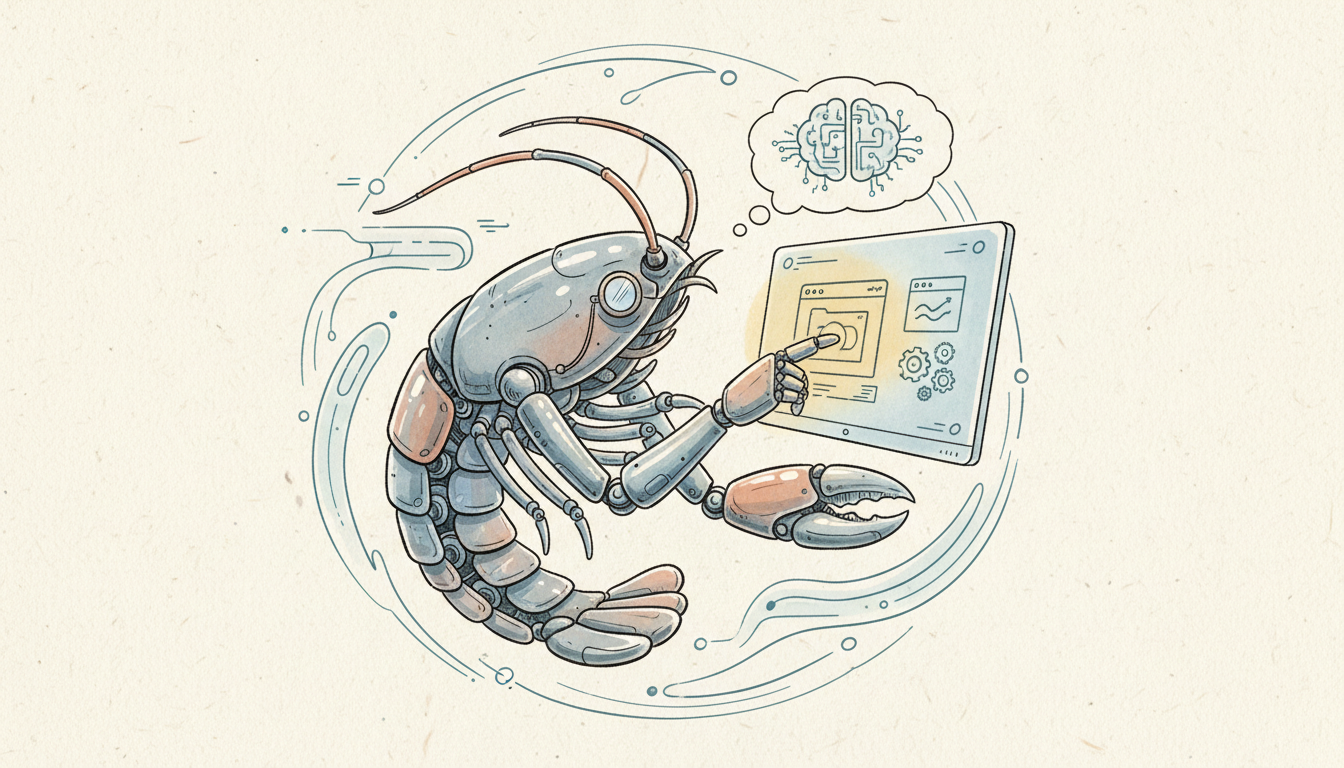
The AI landscape is moving fast from simple chats to agents that actually get things done. After two weeks hands-on with OpenClaw—the self-hosted AI agent framework that's gaining traction—it's evident this goes beyond basic bots. OpenClaw builds a persistent, autonomous system that adapts over time.
This guide distills a practical blueprint for getting up to speed with OpenClaw, sidestepping newbie mistakes, and creating a reliable digital assistant with real payoff.
Understanding OpenClaw's Architecture for Autonomy
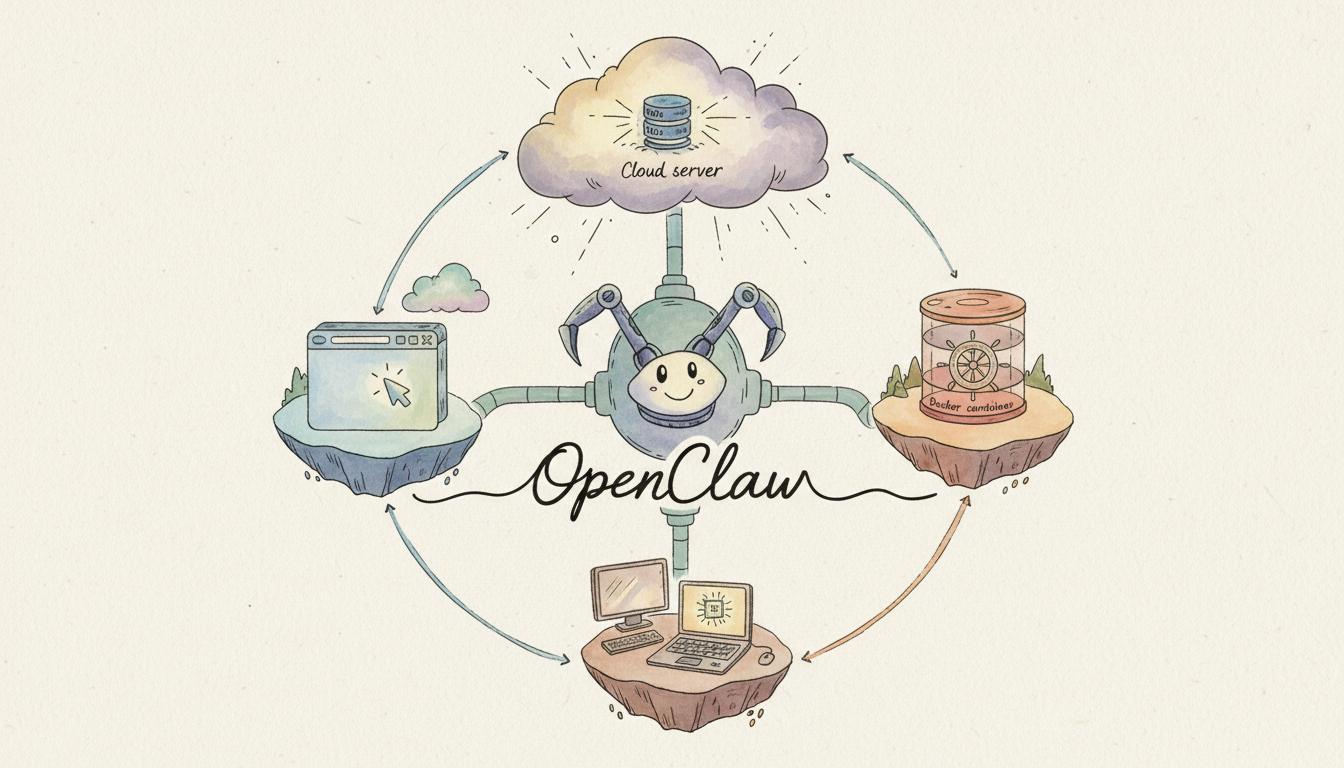
Treat OpenClaw as infrastructure, not just another SaaS tool. It's built in layers for ongoing operation:
- The Gateway: Handles 24/7 routing for platforms like WhatsApp, Telegram, or Discord.
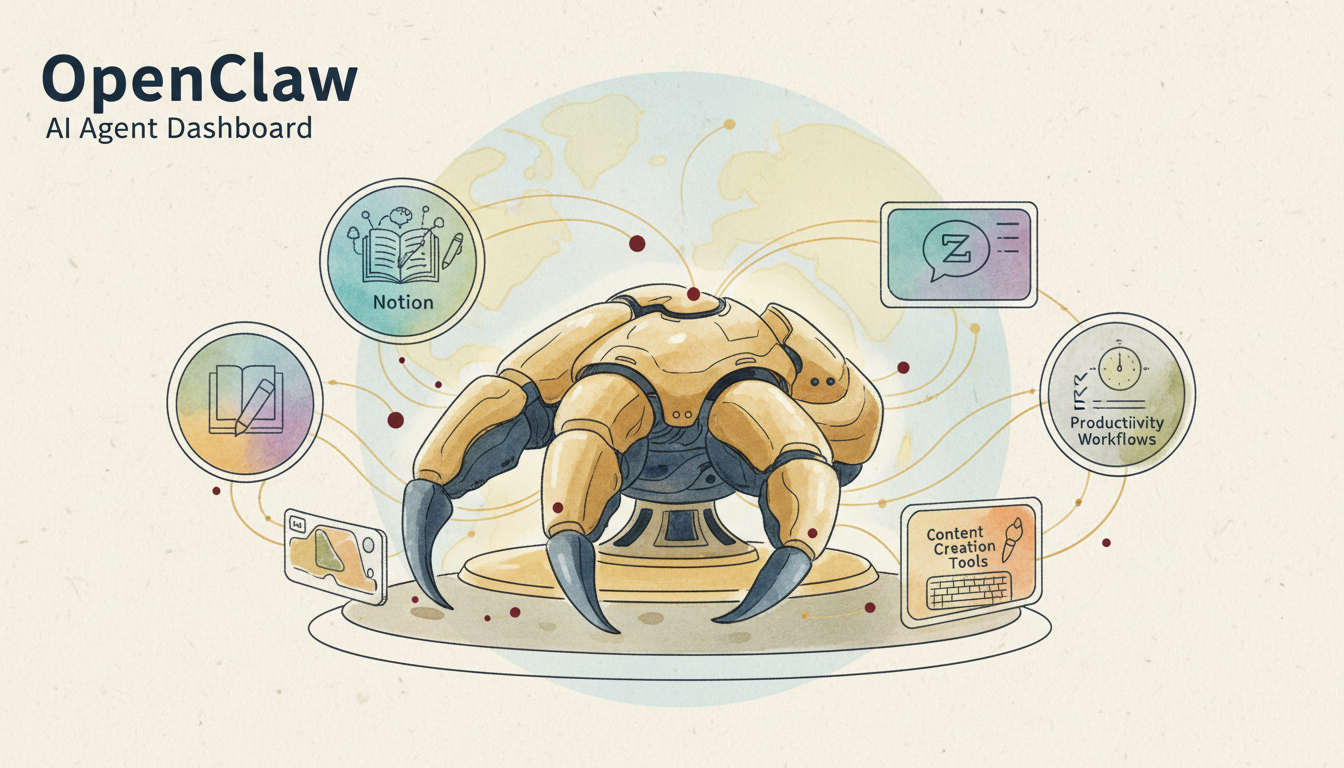
- The Control UI: Central dashboard for oversight and adjustments.
- The Heartbeat: Scheduler that runs automations every 30-120 minutes, like a cron job.
- The File System: Acts as the core 'brain'—personality, memory, and tools stored in Markdown files such as
SOUL.md,MEMORY.md, andTOOLS.md.
Key Insight: Memory builds 'compound interest.' Unlike one-off LLMs, OpenClaw picks up on your patterns and preferences, boosting efficiency with extended use.
Infrastructure Setup for Reliable Performance
A shaky foundation can stall your progress. Stick to these steps for a solid start:
- Start with the Terminal UI (TUI): Use it for initial setup—it offers clearer visibility into the agent's processes than the web interface.
- Focus on One Channel: Nail a single integration, like Telegram, before branching out. Keep things simple early on.
- Dedicated Hardware: Run on something like a Mac Mini or affordable VPS. Don't use your main laptop—sleep mode kills the agent.
- Security First: Run
clawdbot security audit --deepright away. With system access, security matters from day one.
Programming the 'Soul' in SOUL.md
The SOUL.md file defines the agent's core identity—often overlooked but crucial.
- Go Beyond Basics: Skip vague prompts like 'be helpful.' Assign a role: 'You are a proactive Chief of Staff who prioritizes brevity and cuts fluff.'
- Set Memory Protocols: Instruct it clearly: 'End each interaction by updating your daily log with key decisions and new user facts.'
- Enable Self-Evolution: Include an 'Evolution Trigger' so the agent can suggest updates to its own
SOUL.mdbased on your workflow insights.
Building the Memory Flywheel from Interactions
OpenClaw's edge comes from smart memory management.
- Curated vs. Raw: Daily logs go in
memory/YYYY-MM-DD.md; reserveMEMORY.mdfor key preferences and enduring facts. - Explicit Training: Use a phrase like: 'Please add this preference to your memory for all future sessions.'
- Bi-Weekly Reviews: Prompt it: 'Summarize what you know about my projects and preferences.' Fix any inaccuracies to maintain alignment.
Extending Capabilities with OpenClaw Skills
The Skills system makes OpenClaw endlessly adaptable.
- Core Skills to Install: Add
web-searchfor real-time info,browser-controlfor non-API sites, andself-improving-agentfor self-debugging. - Meta-Workflow Power: Have it create its own skills, e.g., 'Build a skill to check my CRM Fridays and WhatsApp new leads summary.'
Security and Compliance Essentials
- Scoped Permissions: Broad 'Read' access, but limit 'Write' to specifics.
- Secure Environments: Store API keys in environment variables, never in files.
- Group Chat Rules: In team channels, set
requireMention: trueto avoid spam replies.
Your 7-Day Action Plan for OpenClaw Mastery
- Days 1–2 (Exploration): Chat freely, send voice notes, gauge responses before automating.
- Days 3–4 (Customization): Refine
SOUL.mdwith your schedule, projects, and goals. - Days 5–6 (Core Workflow): Perfect one task, like a daily briefing on weather, calendar, and priorities.
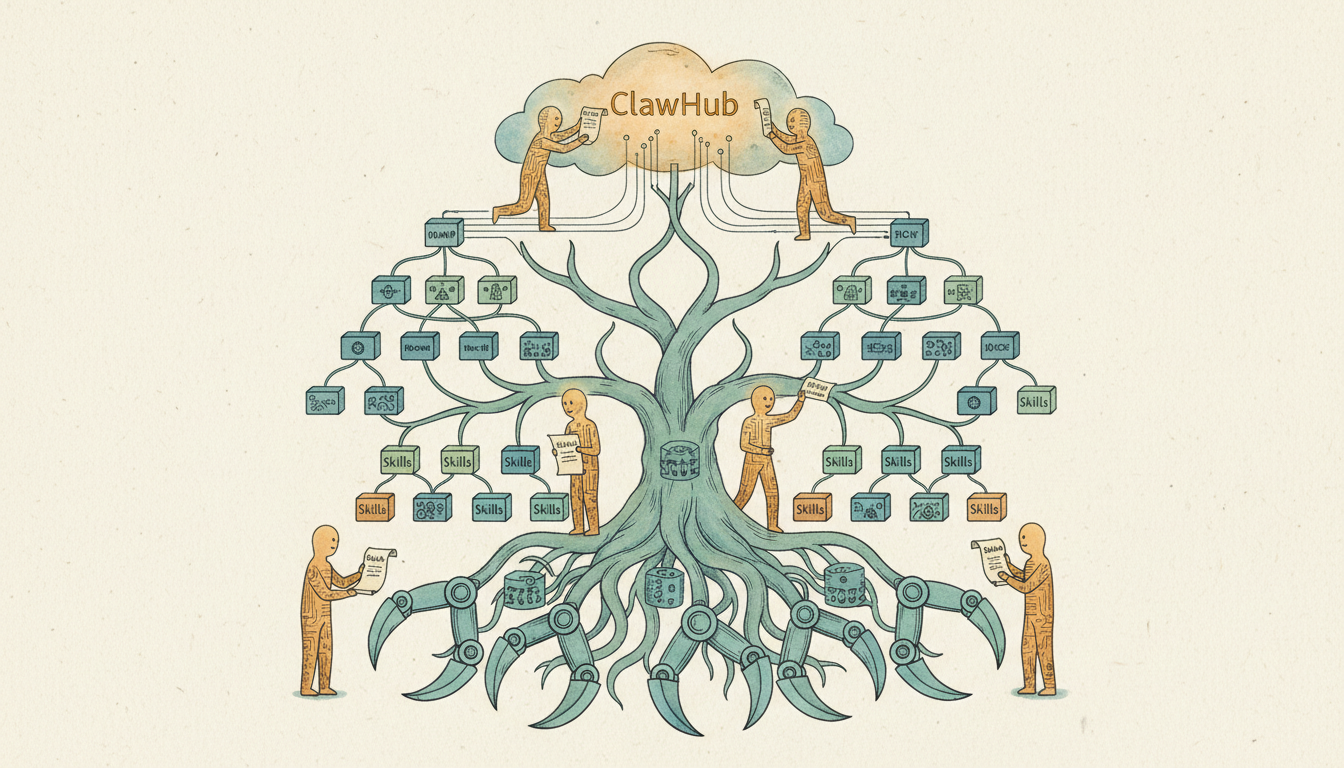
- Day 7 (Expansion): Grab a skill from ClawHub and test multi-platform flows.
Turning OpenClaw into a Strategic Asset
OpenClaw paves the way for a true personal AI worker. Setup takes work, but the gain—a round-the-clock assistant that recalls details and handles tasks on its own—can shift how you operate. Those investing in their own agent infrastructure hold the edge ahead.
Check OpenClaw's GitHub and developer forums for templates and docs.