ClawTrust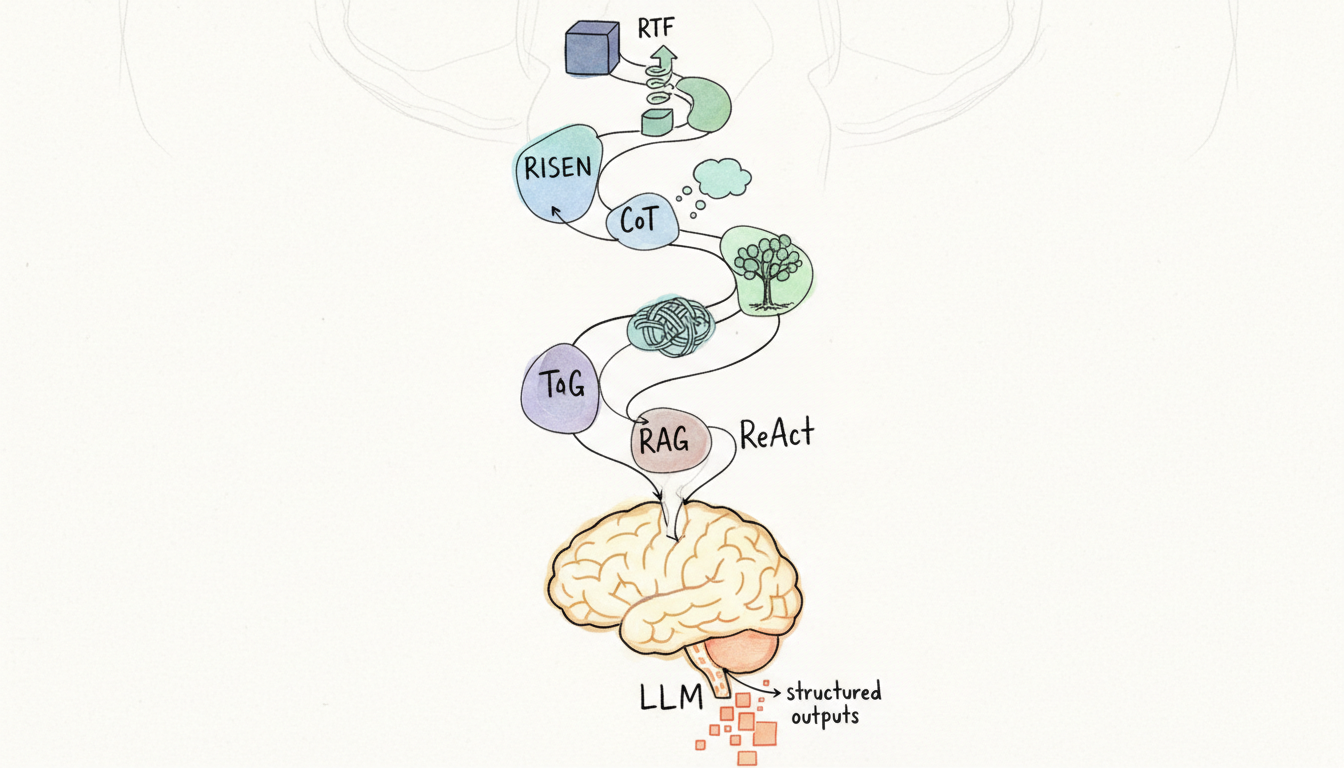
In the fast-changing world of Generative AI, prompts have evolved from basic inputs into a form of precise software engineering. Heading into 2026, effectively communicating with Large Language Models (LLMs) such as GPT-5, Claude, and Gemini unlocks much of their hidden potential.
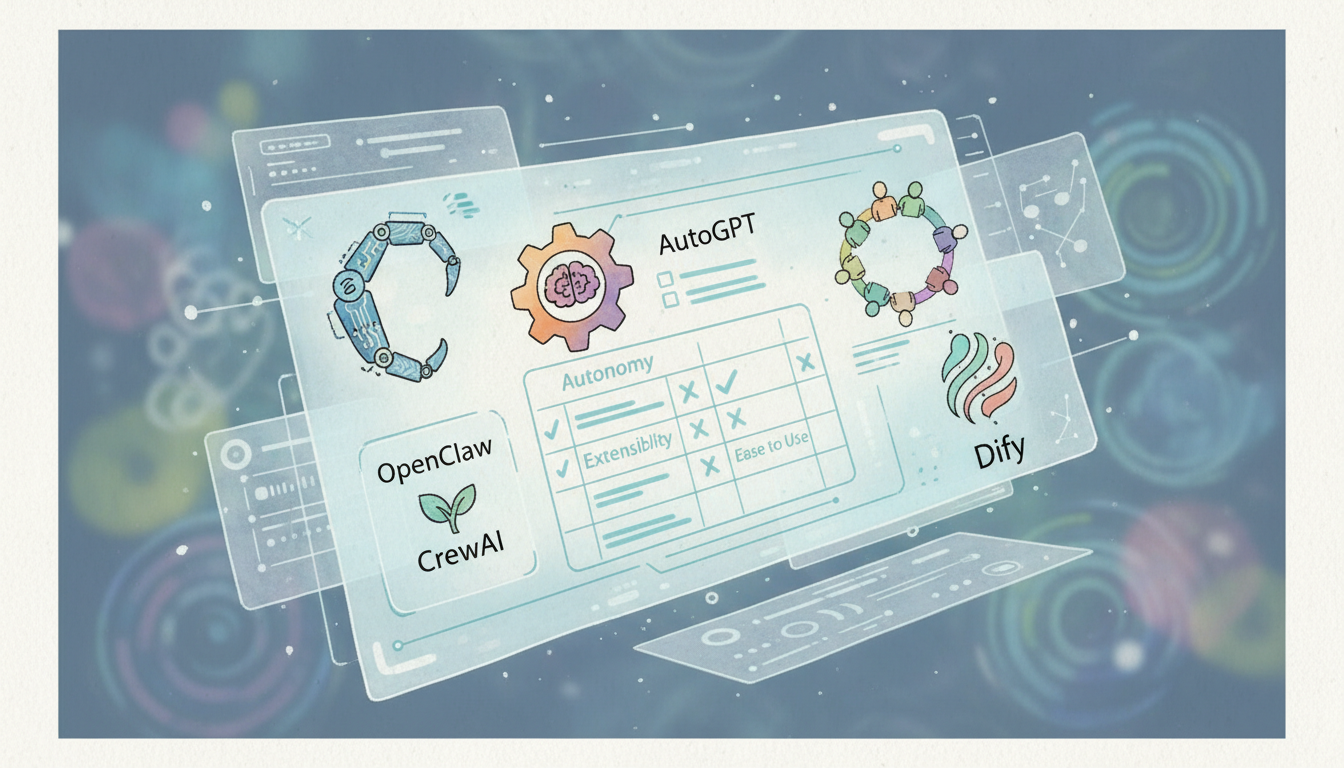
This guide explores the core frameworks and strategies that experienced AI practitioners use to turn simple queries into reliable, high-quality outputs. Whether you're building workflows on platforms like OpenClaw Skills or tackling complex tasks, these approaches provide a solid foundation.
Foundations: Structural Frameworks for Effective Prompting
Effective prompts are engineered with structure. Professionals use standardized frameworks to give the model clear context and boundaries, ensuring more consistent results across projects.
The RTF Framework (Role - Task - Format)
This versatile starting point specifies the model's role, the task at hand, and the desired output format.
- Role: Senior Data Analyst.
- Task: Summarize Q3 SaaS market trends.
- Format: Markdown table with a 3-sentence executive summary.
RISEN and RODES Models
For tasks involving intricate business logic, these frameworks add deeper precision.
- RISEN: Role, Instructions, Steps, End Goal, Narrowing (Constraints). Suited for multi-step efforts like drafting a whitepaper.
- RODES: Role, Objective, Details, Examples, Sense Check. The sense check step prompts the model to review its logic before finalizing.
Core Principles of High-Performance Prompting
To achieve outputs beyond surface-level responses, prompts adhere to key principles that guide model behavior reliably.
Principle 1: Clarity through Delimiters
LLMs perform better when instructions and data are separated clearly. Delimiters such as triple quotes, dashes, or angle brackets help the model parse commands from content effectively.
Example: 'Summarize the text delimited by triple quotes: '''[Insert Global Market Report]'''''
Principle 2: Give the Model Time to Think
For complex reasoning, direct answers often lead to errors. Instructing the model to 'Think Step-by-Step' (Chain of Thought) builds a logical progression, helping reduce inaccuracies.
Advanced Cognitive Architectures
For more autonomous operations, techniques that emulate human thinking processes enhance performance on demanding tasks.
Chain of Thought (CoT) and Self-Consistency
Prompt for the reasoning process rather than just the result. Self-Consistency generates several paths and picks the most recurrent one, useful for math or logic problems.
Tree of Thoughts (ToT)
In exploratory scenarios like strategic planning, ToT explores multiple solution branches, evaluates them, and backtracks from dead ends.
RAG (Retrieval-Augmented Generation)
To address LLM knowledge limits, RAG pulls in external data. The model retrieves relevant facts from a database and grounds its response in that information, a strong choice for enterprise applications.
ReAct: Synergizing Reasoning and Acting
ReAct loops through Thought (plan), Action (tool use), and Observation (results), enabling integration with external APIs or tools.
Beyond Prompting: Reflexion and PAL
- Reflexion: The model assesses its output against criteria and refines iteratively to improve quality.
- PAL (Program-Aided Language Models): For precise computations, the model generates and runs Python code instead of calculating directly.
From Prompting to Intent Engineering
The field is advancing toward engineering precise intent rather than casual conversation. Frameworks like RTF, RISEN, CoT, RAG, and ReAct serve as the building blocks of this emerging language.
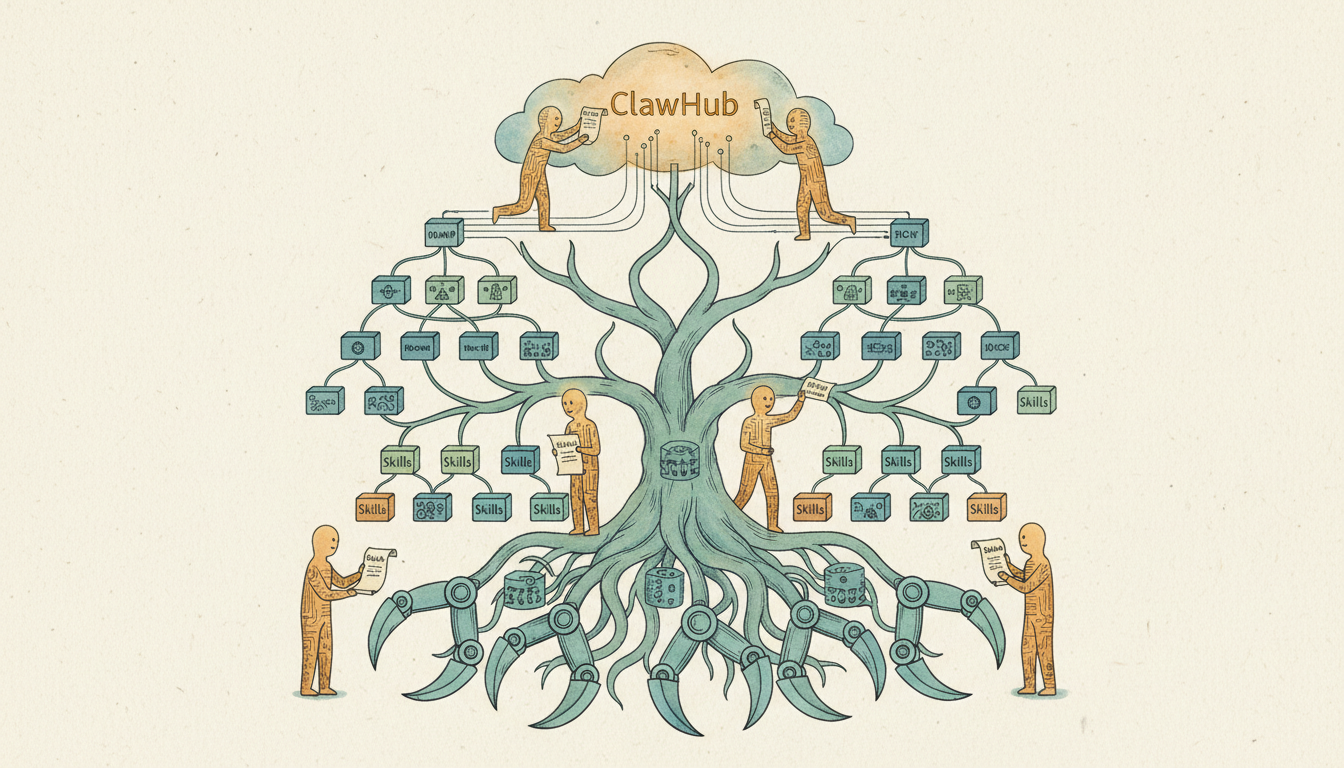
Mastering them helps develop a reusable skills library, transforming general AI into tailored agents for specific operational needs.