ClawTrust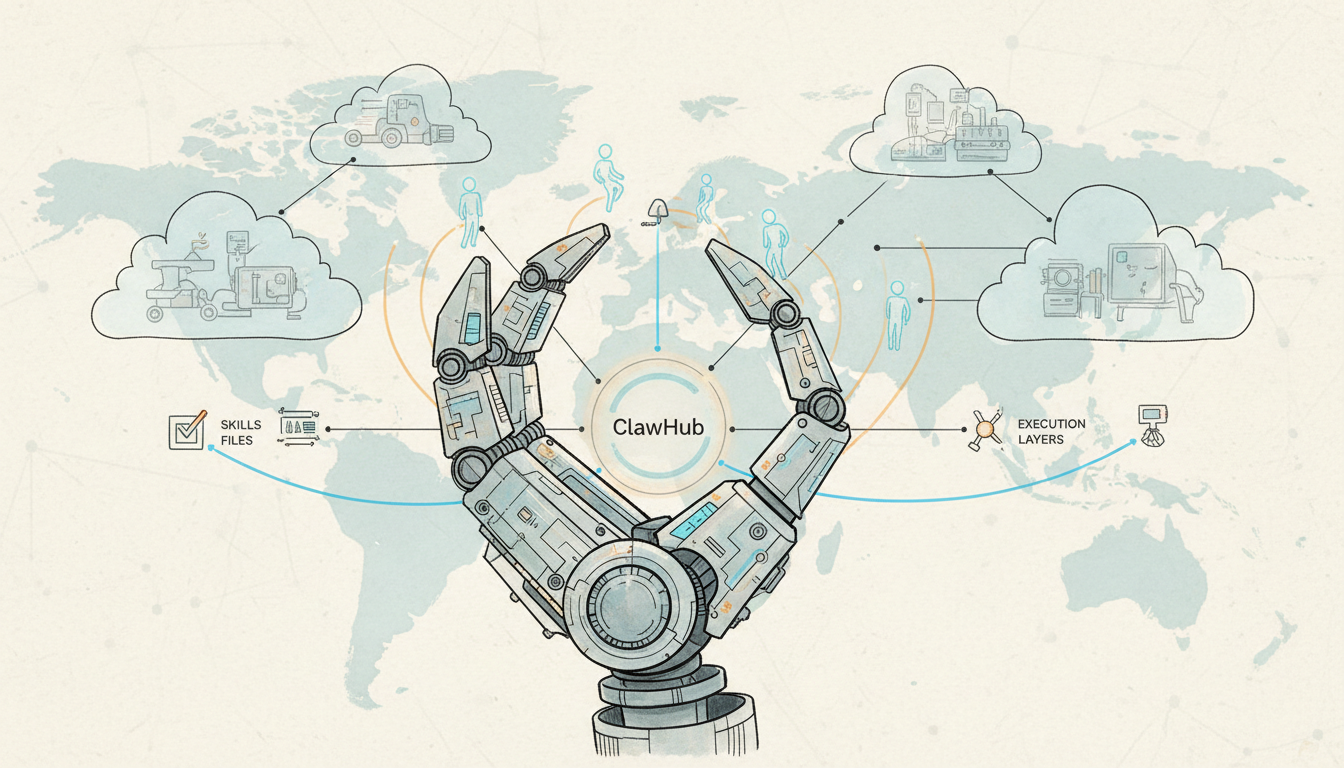
Mastering OpenClaw: Building Persistent Autonomous Agents in 2026
In early 2026, the AI field hit a key turning point. While many were still refining prompts for chatbots, OpenClaw emerged on GitHub as an open-source framework. It shifts the focus from 'Thinking AI,' where users handle the heavy lifting, to 'Doing AI,' where agents take action independently.
OpenClaw moves us from reactive assistants to proactive digital twins. This guide covers building and optimizing a persistent, autonomous setup that runs 24/7, drawing from real-world deployments.
Global Deployment Options for OpenClaw
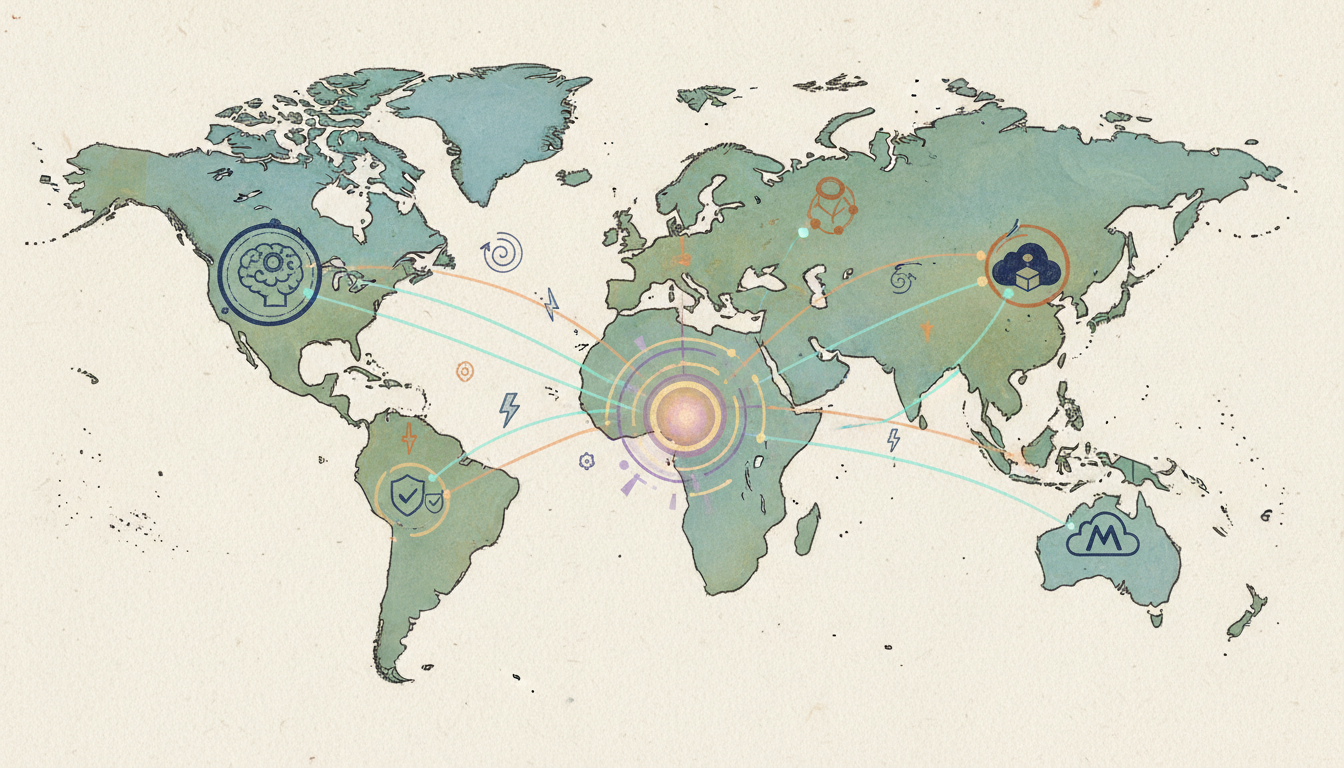
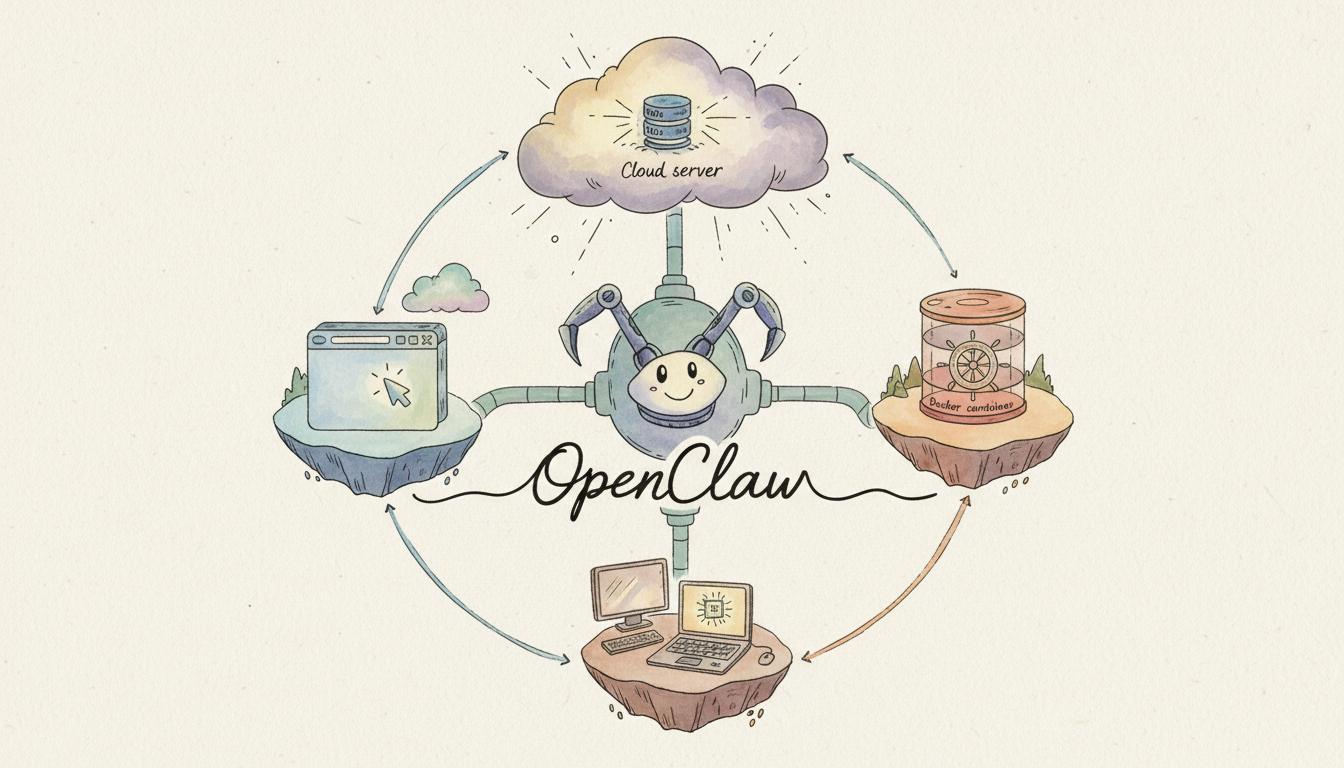
OpenClaw supports global users with options for cloud providers and local hardware.
- Direct Browser Access: Quick, no-install testing via the Web Channel.
- One-Click Cloud Deployment: Reliable uptime on Vercel, Railway, or AWS for background tasks.
- Docker Containerization: Isolated, portable setups for advanced users.
- Native Local Installation (Highest Flexibility): Full access to local files and CLI. Prerequisites: Node.js 18+ or Python 3.10+, and Git.
OpenClaw's 3-Layer Architecture
OpenClaw's capabilities stem from its modular design:
- Layer 1: Basic Execution – Handles file I/O, CLI operations, and browser automation.
- Layer 2: Memory & Context – Uses SOUL.md (Identity), MEMORY.md (Long-term facts), and project contexts to retain preferences across sessions.
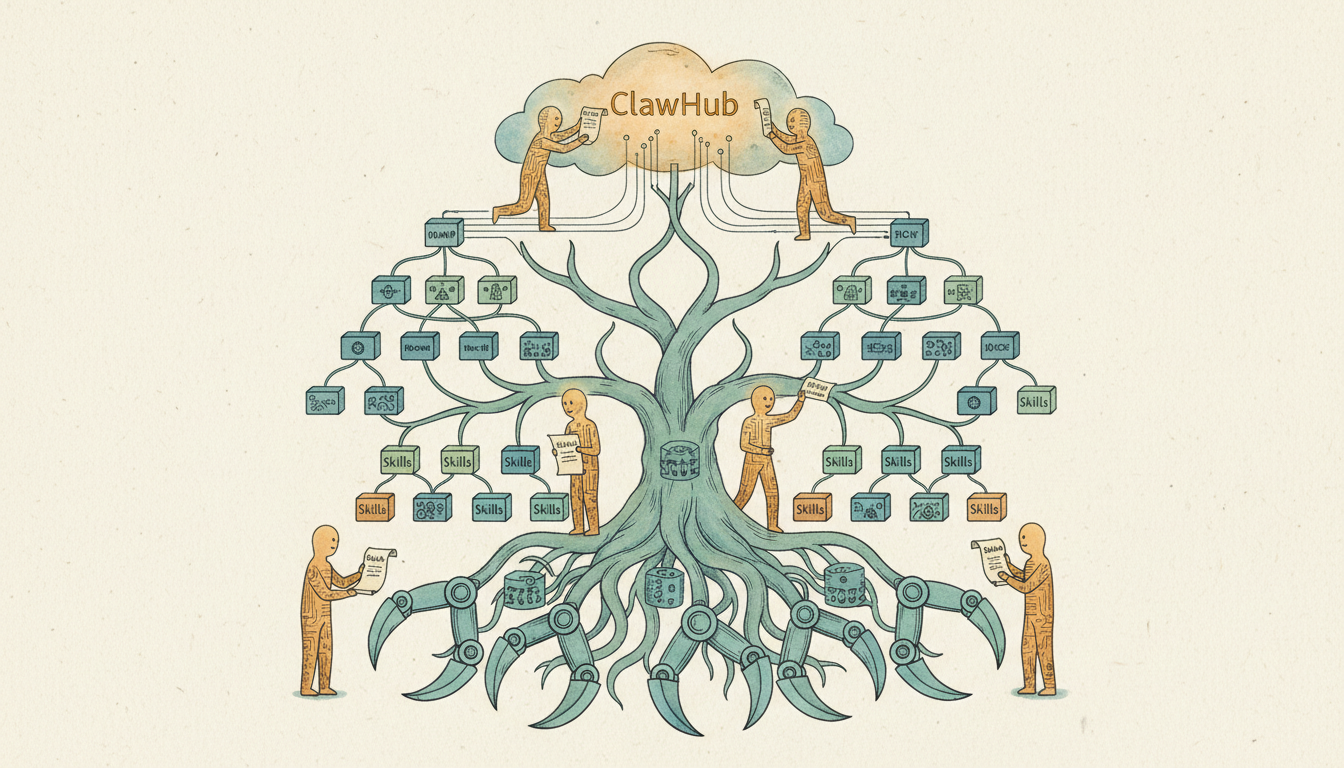
- Layer 3: Skills & Collaboration – Via ClawHub, agents access over 400,000 skills and work in Main Agent / Sub-Agent hierarchies for complex tasks.
OpenClaw vs. Claude Code: Tool or Infrastructure?
Anthropic's Claude Code raises questions about OpenClaw's role. Their differences highlight distinct approaches:
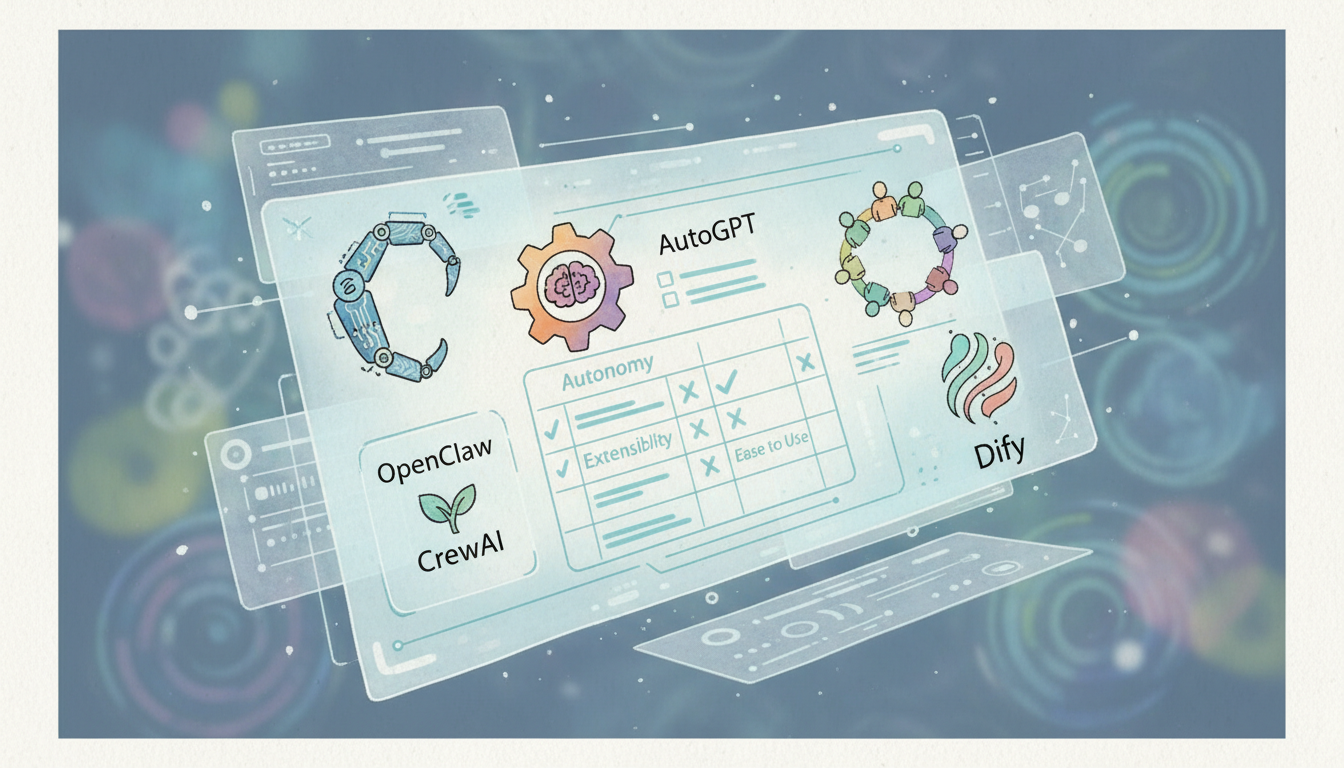
| Feature | Claude Code | OpenClaw |
|---|---|---|
| Philosophy | Precision tool for the 'Sprint' | Infrastructure for the 'Marathon' |
| Longevity | Stateless sessions | Persistent 'Soul' and 'Memory' |
| Model Use | Locked to Anthropic | Provider-Agnostic (Claude, GPT, Gemini, Llama) |
| Proactivity | Reactive (Waits for you) | Proactive (Heartbeat-driven 24/7) |
| Interface | Terminal only | Multi-surface (Telegram, Slack, Discord) |
Claude Code excels as a terminal assistant; OpenClaw serves as a broader life assistant.
Real-World Use Cases for OpenClaw
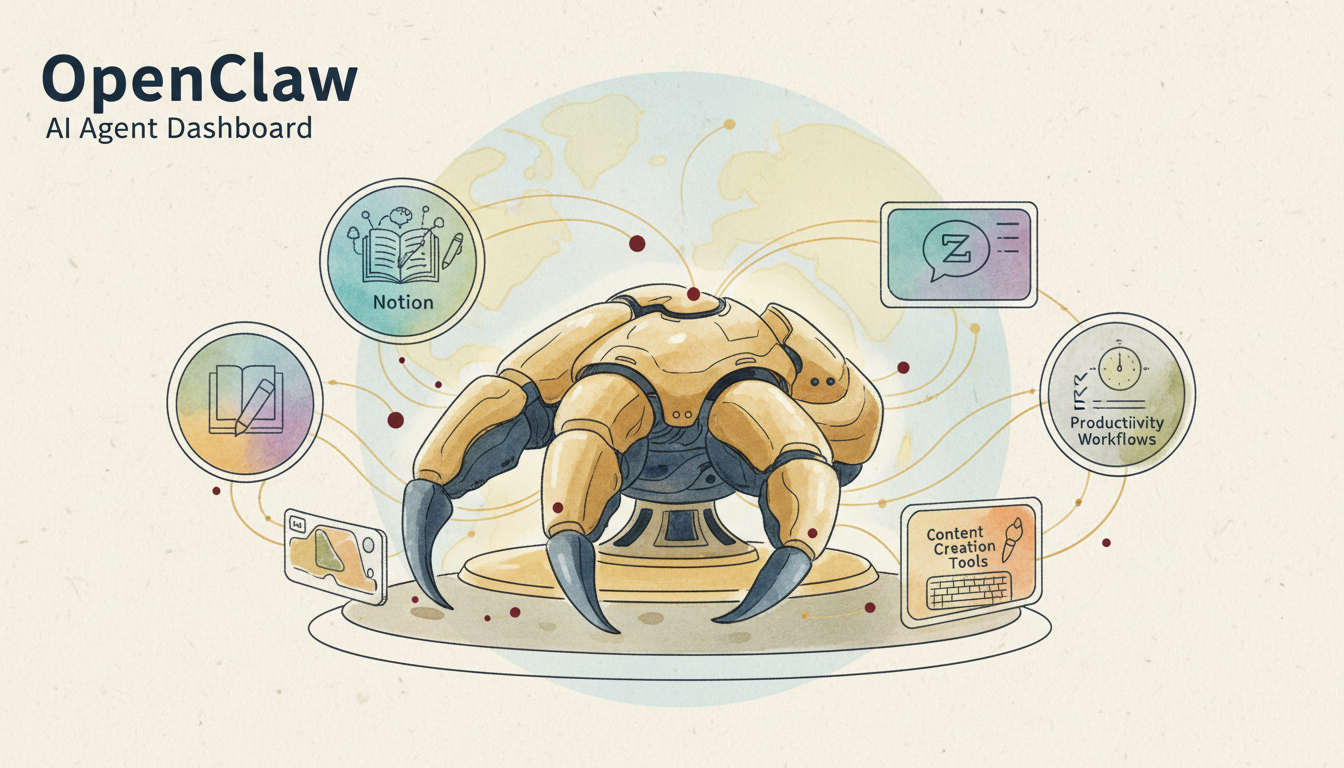
Users apply OpenClaw for practical productivity gains:
- Autonomous CRM & Sales: Processes emails, filters pitches, updates HubSpot, and prepares daily meeting briefings.
- Content Idea Pipeline: Analyzes URLs or footage via Telegram, researches topics, drafts outlines, and creates Asana cards in seconds.
- AI Strategic Council: Reviews business signals from analytics, Slack, and transcripts; simulates expert debates for nightly meta-analysis reports.
Budget Optimization Strategies
Avoid high costs from inefficient runs with these approaches:
- The 90/10 Model Routing Rule: Use Claude 3.5 Sonnet or Gemini Flash for 90% of drafting and lookups; reserve Claude 3.5 Opus for 10% high-level tasks.
- Taming the Heartbeat: Extend intervals to 1 hour for non-urgent checks to reduce costs significantly.
- Context Management: Limit memory files to 500-800 tokens; use /newsession every 30-50 messages to clear bloat while preserving MEMORY.md.
Essential Ecosystem Tools
- Autensa / Builderz Labs: Dashboards for agent monitoring and token tracking.
- Clawzempic: Optimizes model calls to lower API costs.
- Clawsec: Runtime firewall against risky actions.
- Mengram: Adds episodic memory for recalling problem-solving methods.
14-Day Roadmap to OpenClaw Mastery
- Days 1–2 (Exploration): Test via Telegram with voice notes to grasp logic.
- Days 3–4 (Customization): Input schedule, projects, goals to build SOUL.md.
- Days 5–6 (One Core Workflow): Perfect a single task like morning briefings.
- Day 7 (Scaling): Add ClawHub skills for automation.
- Week 2 (Optimization): Apply routing and compression for better ROI.
Why OpenClaw Matters
OpenClaw enables executive-level assistance at lower cost. Shift from user to architect to create scalable AI infrastructure aligned with your goals.
The future favors those building their own digital leverage.