ClawTrust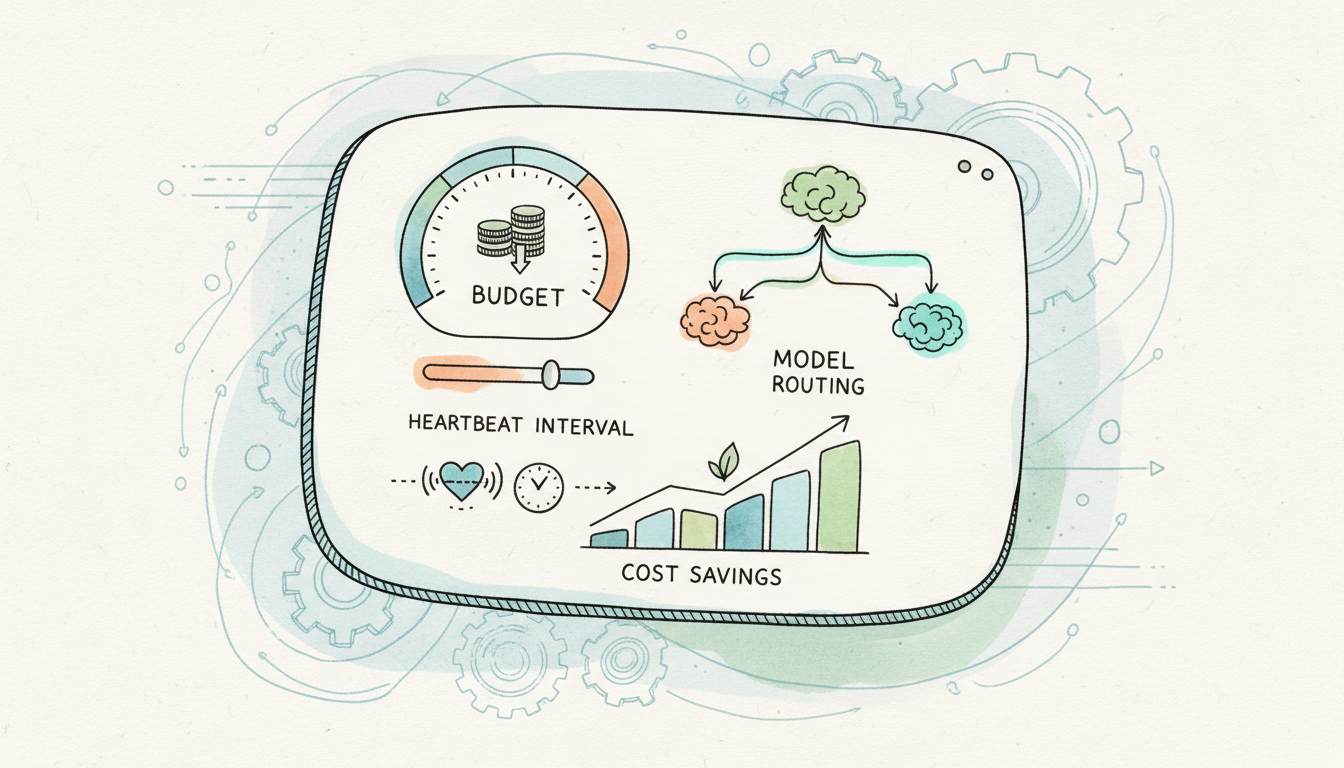
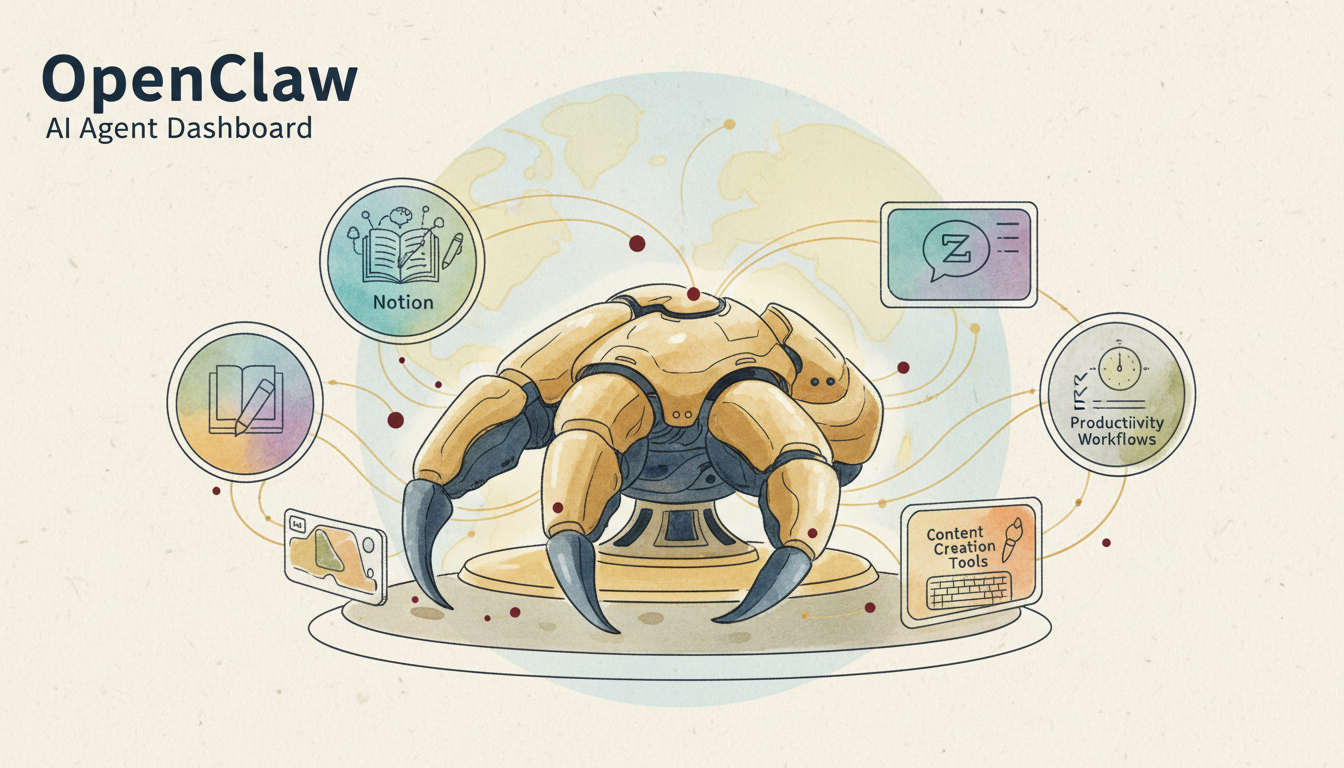
In the fast-evolving world of AI agents, 2026 marks the arrival of 'Autonomous Autonomy,' where frameworks like OpenClaw manage tasks entirely without human input. Early adopters often encounter the 'token furnace' effect—a surprise $100 bill from a single overnight session. This stems from challenges in handling context, memory, and model routing in a global, always-on setup.
This guide equips you to shift from wasteful token burning to efficient operations. We'll cover practical optimizations for your OpenClaw setup, focusing on ROI, security, and reliable productivity.
Taming the Heartbeat Tax: The Cost of Persistence
OpenClaw's power to handle tasks while you sleep hinges on its Heartbeat background polling mechanism.
- Hidden Cost of Idle States: Each agent wake-up for task checks triggers a full API call, loading core identity files (SOUL.md), project context, and recent history. At the default 30-second interval, this racks up thousands of tokens per minute just for 'no new tasks'.
- Optimization Strategy: Adjust heartbeat frequency to align with your workflow's urgency.
- Global Best Practice: For production setups without needing instant responses, extend to 1-hour or 2-hour intervals. This slashes idle costs by over 90% while maintaining proactivity.
Strategic Model Routing: The 90/10 Intelligence Rule
Budget overruns frequently arise from using premium models for everyday tasks.
- Bias Toward Quality: Without guidance, agents default to high-reasoning models like Claude 3.5 Opus for even simple jobs like formatting or lookups.
- Sonnet Standard: Direct 85-90% of operations—such as email drafts, scheduling, or basic research—to cost-effective mid-tier models like Claude 3.5 Sonnet.
- Opus Escalation: Reserve high-tier models for final client deliverables, complex modeling, or strategic reasoning.
- Haiku Utility Layer: Employ ultra-fast models like Claude 3.5 Haiku or Gemini Flash for preprocessing, formatting, or initial filtering.
The 4-File Memory Architecture: Defeating Context Bloat
Growing history leads to context bloat, where agents reread everything and drive up costs.
- Hard Token Limits: Restrict memory files to 500–800 tokens.
- Modular Structure: Divide into four lean files, loading only essentials:
- Identity (SOUL.md): Core persona, guardrails, security rules.
- Context (CONTEXT.md): High-level project background.
- Tasks (TASKS.md): Lean list of active objectives.
- Logs (LOGS.md): Recent actions log, auto-archived every 7 days.
- Deduplication Protocol: Check for existing local info before API calls.
Loop Protection & Autonomous Safety
Agents stuck in logic loops can retry endlessly, quickly draining credits.
- Pre-Task Estimation: Generate estimated token cost before complex runs.
- Concurrency Guardrails: Cap at two parallel sub-agents to prevent bill spikes.
- Human-in-the-Loop (HITL): For external APIs or high-stakes tasks, set a $5.00 threshold; pause for approval if exceeded.
Self-Healing & Maintenance Workflows
Let OpenClaw handle its own upkeep for advanced efficiency.
- Skill Creator Workflow: Refine skills in Claude Desktop, export as .skill file for import.
- Automated Housekeeping: Run weekly cron for 'Synthesize Daily Memories'—extract preferences to MEMORY.md, purge logs.
- Session Management: Invoke /newsession every 30–50 messages to clear bloat and reload essentials.
Strategic Implementation Templates
Optimized .env Security & Budget Config
# === Core API Access === ANTHROPIC_API_KEY=your_key_here OPENAI_API_KEY=your_key_here # === Budget & Safety Guardrails === # Request approval if a single task is estimated to exceed this amount MAX_TASK_BUDGET_USD=5.00 # Stop the agent if daily total spend hits this limit DAILY_SPEND_LIMIT_USD=20.00 # Limit parallel processes to prevent credit-eating loops MAX_CONCURRENT_AGENTS=2 # === Polling & Heartbeat === # Frequency in minutes for background checks (Higher = More Cost-Effective) HEARTBEAT_INTERVAL_MINUTES=60 # Enable token estimation before autonomous execution starts ENABLE_PRE_TASK_ESTIMATION=true # === Memory & Context Management === # Hard limit for context files to prevent bloat MEMORY_FILE_TOKEN_LIMIT=800 # Auto-archive logs older than X days LOG_RETENTION_DAYS=7