ClawTrust
Why Developers Should Pay Attention to OpenClaw
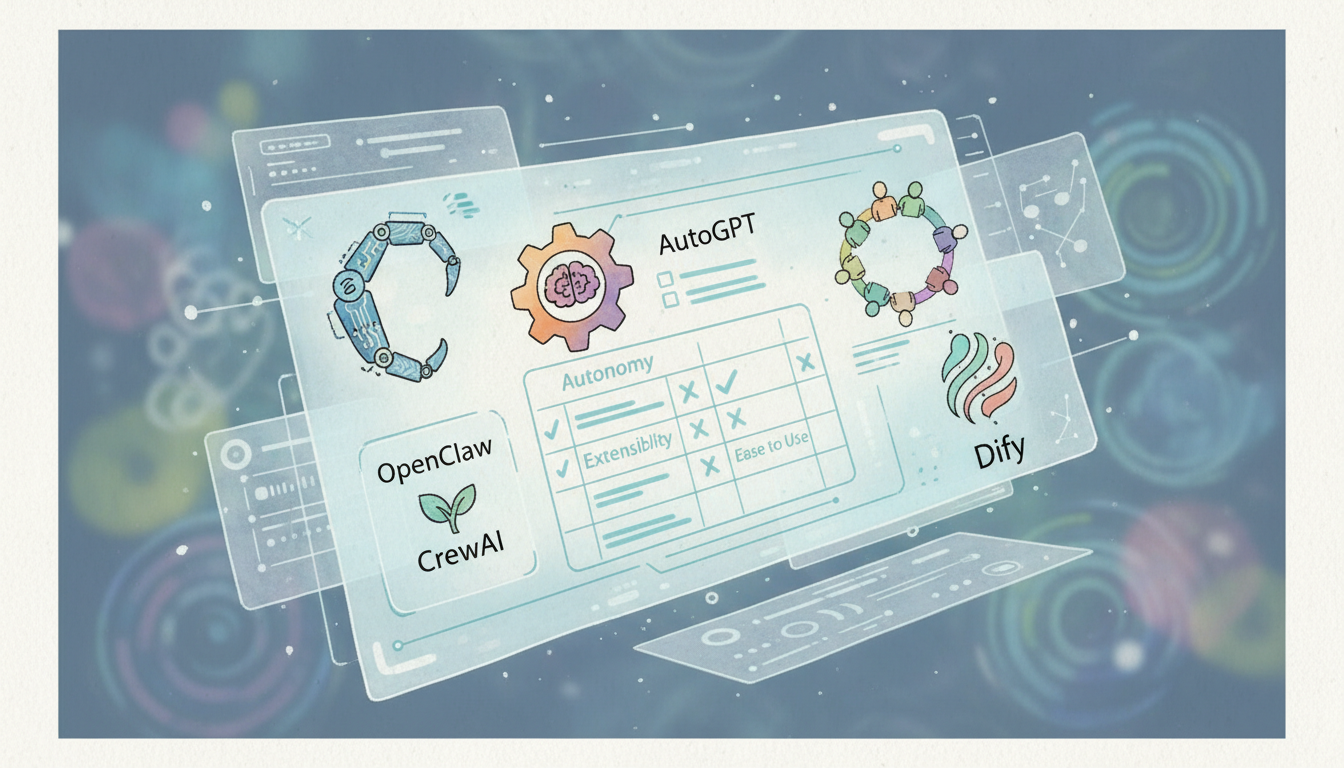
In 2026, developers have plenty of AI tools at their disposal. What sets OpenClaw apart is its design to integrate seamlessly into everyday workflows rather than existing as a detached interface. Unlike many AI products suited for one-off tasks, OpenClaw positions itself as a personal, self-hosted AI assistant that operates through your familiar channels. This approach resonates with developers prioritizing control, extensibility, and practical value in their tools.
Beyond a Simple Chat Interface
True utility for developers comes when an AI assistant connects directly to codebases, tools, communication platforms, and ongoing context. Even powerful models fall short if the system around them feels superficial. Developers need an always-available companion that integrates into request streams and workflows, not a separate app they switch to. OpenClaw addresses this by focusing on local, fast, persistent operation over cloud-dependent visits.
Key Features That Appeal to Developers
OpenClaw stands out as an orchestration system built around prompts, tools, protocols, and integrations. Its vision document highlights TypeScript's role in making the system inherently hackable. This developer-centric philosophy emphasizes customization and iteration over passive consumption.
The terminal-first setup further enhances its appeal. Documentation outlines a straightforward process to launch a gateway, handle authentication, and start chatting, all while maintaining clear security and permissions. For developers, this transparency is a strength, avoiding hidden complexities.
Aligning with Real Developer Workflows
Developers seek configurable layers that embed into their channels, sessions, and tools, not generic assistants. OpenClaw supports diverse communication channels, enabling interactions within existing messaging environments for smoother development and ops tasks.
Its multi-agent routing elevates this further. By directing inputs from channels, accounts, or peers to specialized agents, it mirrors how developers compartmentalize tasks—like coding, debugging, ops, or research—without forcing a single overloaded persona.
The Value of Self-Hosting
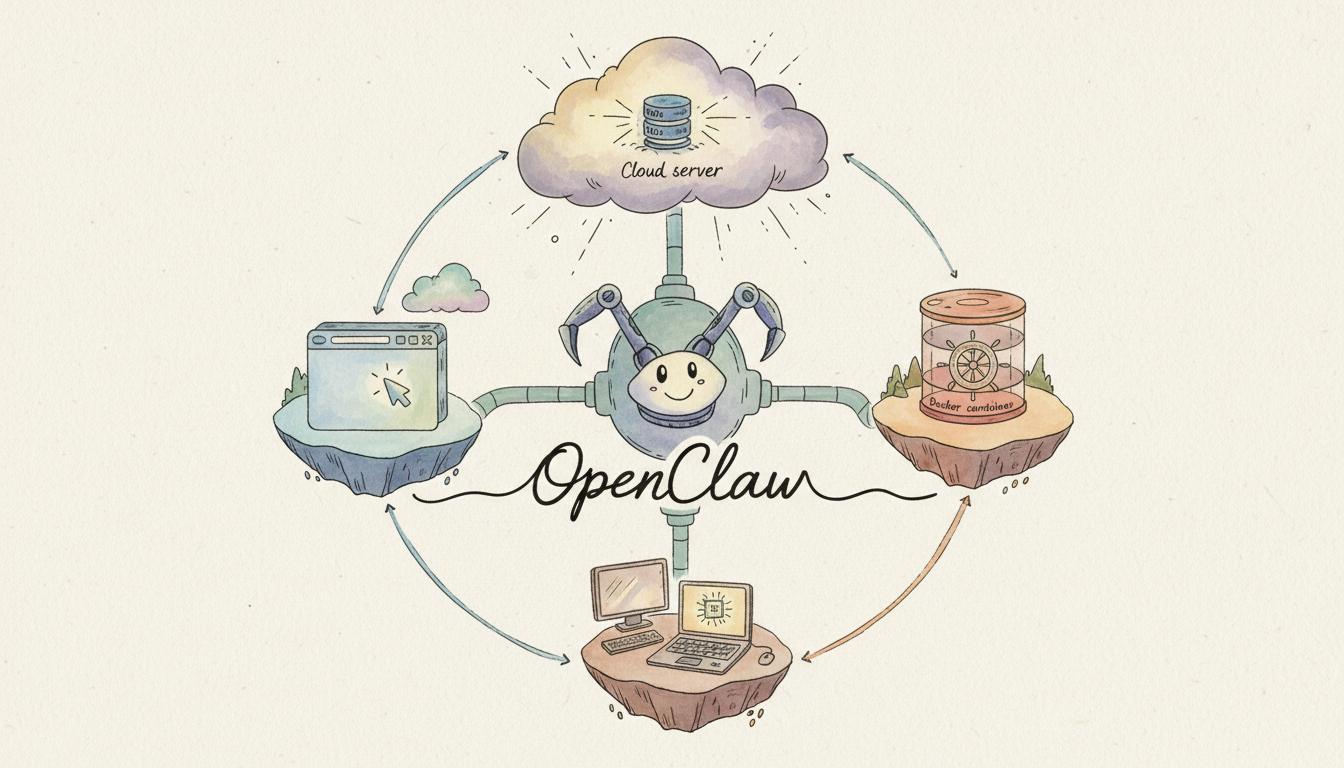
Self-hosting goes beyond privacy for developers; it shifts the dynamic to owning your assistant infrastructure. With OpenClaw, you define rules, operate locally across devices, and maintain full control, fostering a sense of true ownership.
Ideal Use Cases for OpenClaw
OpenClaw suits developers wanting an operational AI companion over a decorative one. It's ideal for self-hosted setups spanning devices and channels, staying workflow-adjacent, and supporting long-term extensions. While not the simplest for every team, it excels where proximity, flexibility, and control matter most.
Final Thoughts
The best developer AI tools now embed into operating environments. OpenClaw advances this with its local-first, extensible, channel-integrated design and emphasis on user control. For those frustrated with AI confined to tabs and demos, it points toward a more integrated future.