ClawTrust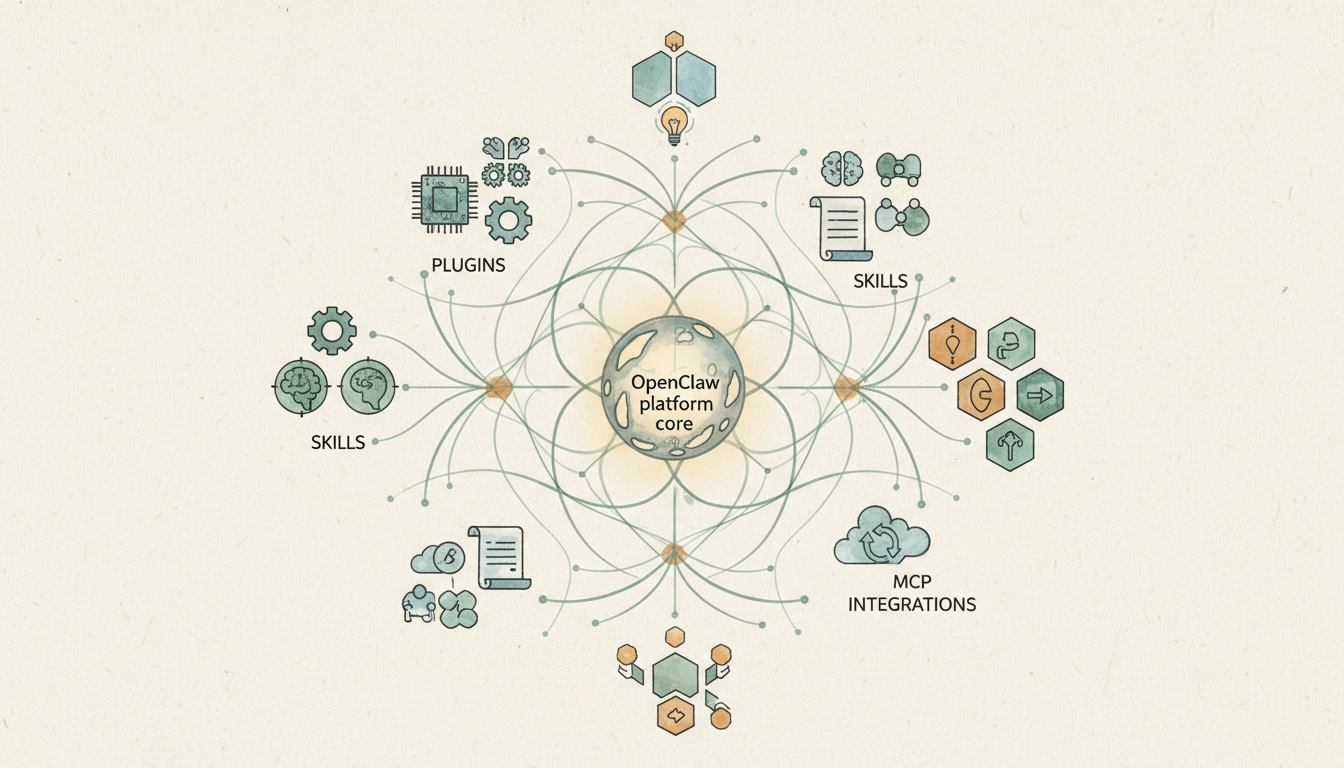
OpenClaw Plugins, Skills, and MCP: Why the Ecosystem Story Matters
OpenClaw's ecosystem around plugins, skills, and MCP support stands out in a crowded AI assistant landscape. While many projects shine with initial features, their true staying power depends on how they handle growth. I've seen platforms falter when they try to bundle everything into the core, leading to bloat and maintenance headaches. OpenClaw takes a different path, prioritizing extensibility without compromising the base system.
Why Core Features Fall Short Over Time
No assistant platform can anticipate every user need from day one. Demands evolve quickly, often outpacing core team development. The smartest systems keep the core lean, offloading optional features to extensible layers. OpenClaw's vision document reinforces this: it explicitly calls for a minimal core, with most new capabilities delivered as plugins. This approach signals thoughtful planning for long-term maintainability rather than chasing short-term feature wins.
OpenClaw’s Plugin Philosophy
OpenClaw's plugin API is designed to be extensive, encouraging plugins to live outside the core repository whenever feasible. This prevents the platform from swelling with every integration request. By separating the stable assistant core from a vibrant ecosystem of add-ons, OpenClaw fosters a healthier architecture. Developers and users benefit from this clarity, making it easier to build and adopt extensions without risking core stability.
Why Skills Matter for Practical Use
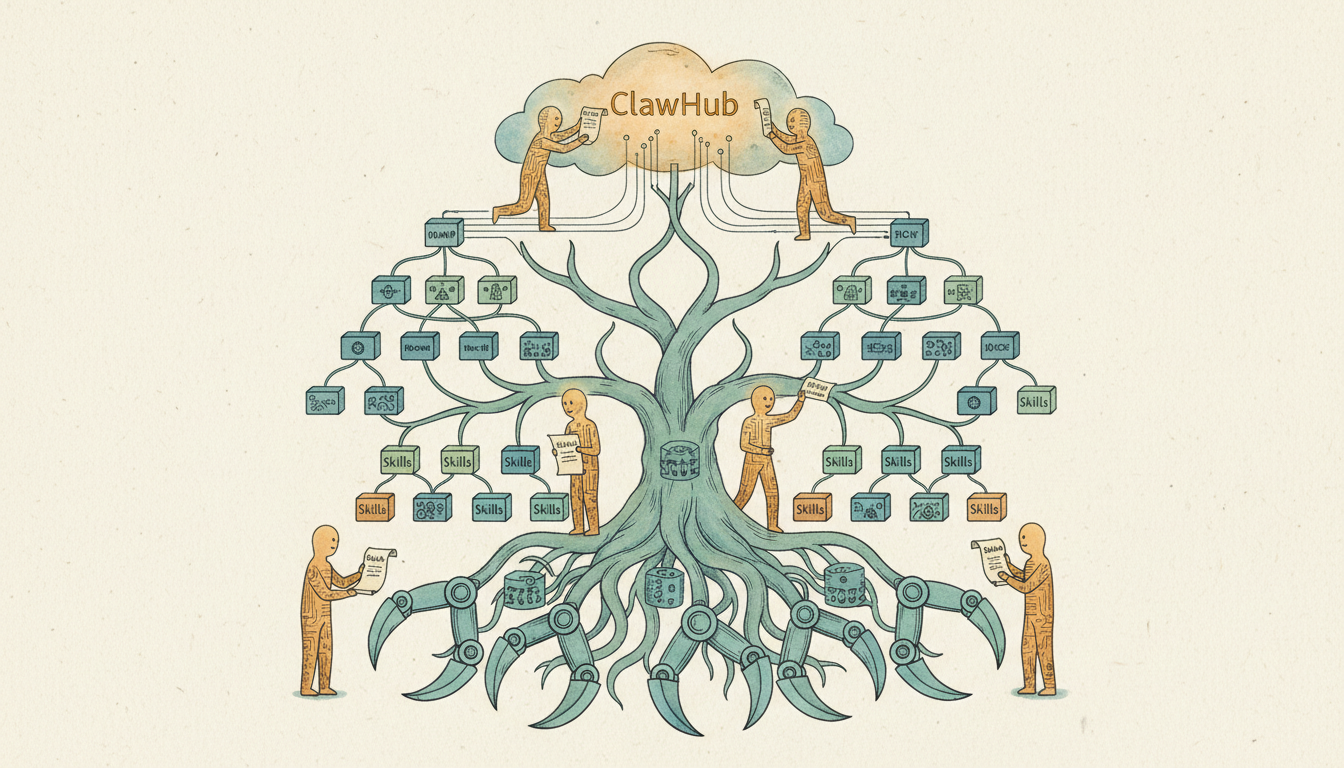
Skills play a key role in everyday workflows. OpenClaw includes some bundled skills for a solid baseline experience but directs new ones to ClawHub first. This strategy scales capability growth effectively. Users get more functionality without burdening the core with endless maintenance. Striking this balance between immediate usability and disciplined expansion is what helps platforms endure.
MCP Support Through Decoupled Integration
OpenClaw handles MCP pragmatically via mcporter, rather than embedding it directly in the core. This keeps integrations flexible, avoids runtime restarts for server tweaks, and minimizes exposure to MCP changes on stability and security. It's a measured way to leverage emerging standards without destabilizing the assistant layer—a detail that reveals real-world foresight.
What This Means for Users and Developers
For users, a strong ecosystem design translates to longevity. Platforms that extend gracefully remain relevant as needs shift. Developers find them more investable, since contributions don't always demand core modifications. OpenClaw's model—lean core plus plugins, ClawHub skills, and bridged MCP—makes extension straightforward and trustworthy.
The Bigger Picture for OpenClaw's Future
OpenClaw's edge may lie less in standout features and more in its disciplined growth strategy. In an AI market chasing all-in-one solutions, this restraint is refreshing. If you're evaluating OpenClaw, pay close attention to its ecosystem approach—it's a key indicator of sustained value.