ClawTrust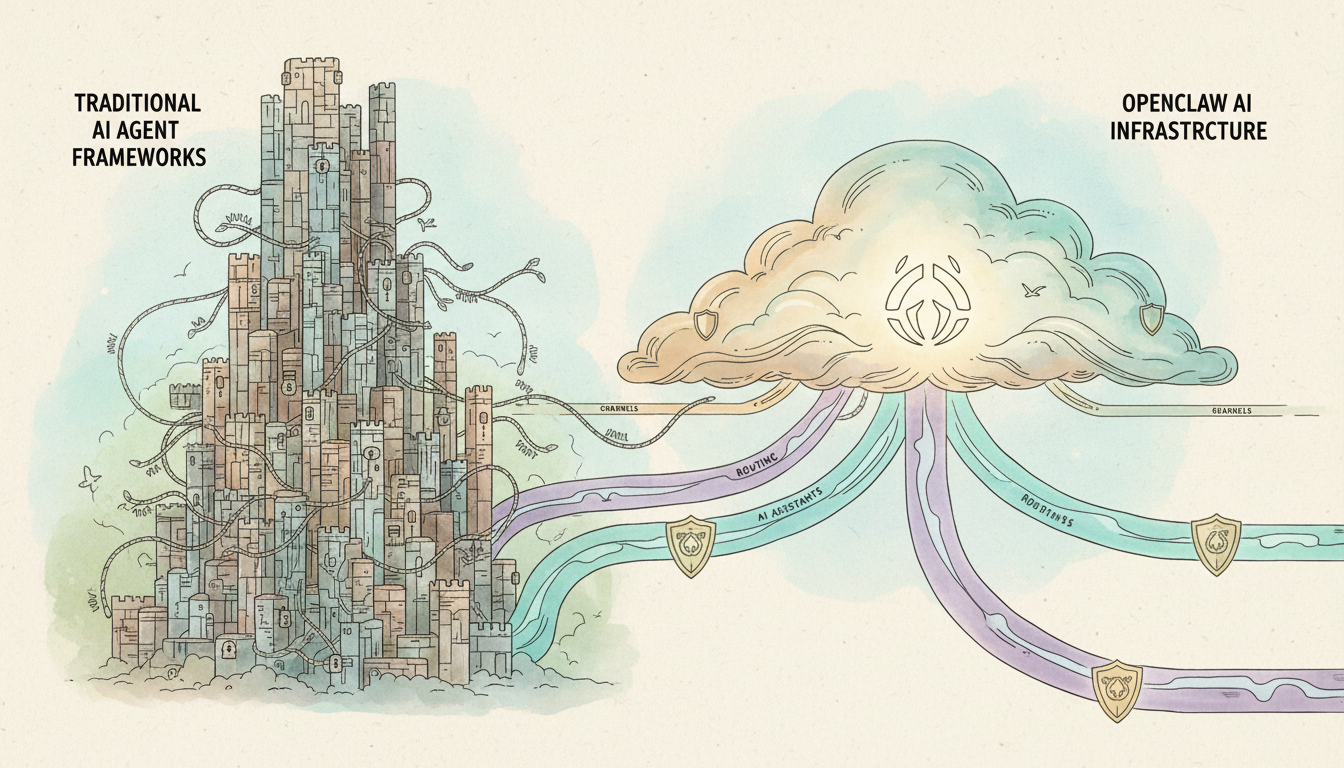
Why OpenClaw Deserves More Than a Framework Label
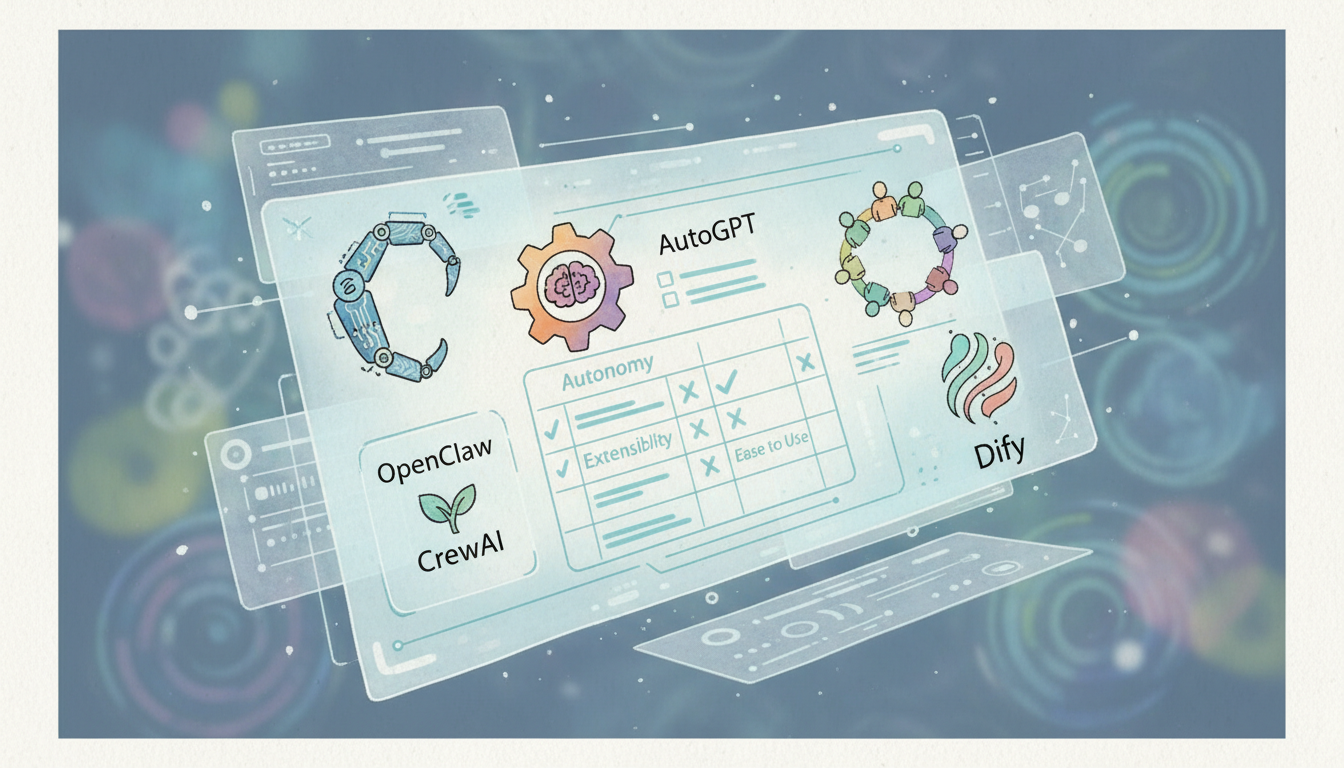
The term 'AI agent framework' covers a lot of ground these days, often blurring key distinctions. Many tools focus on orchestrating model calls, workflows, or tool coordination, but they don't all aim for the same outcome. OpenClaw stands apart. While it might appear in framework comparisons, its core positioning points to something bigger: a personal AI assistant layer that operates on your devices, integrates with your channels, and adheres to your rules. This shifts the design focus in a meaningful way compared to most traditional AI agent frameworks.
Traditional Frameworks Center on Orchestration
Most traditional AI agent frameworks start with the challenge of orchestration—linking models, tools, prompts, memory, and logic into a coherent system. This is crucial work, but it often leaves the user experience somewhat abstracted from daily operations. The framework enables agent building, yet the assistant typically needs further embedding into workflows, product interfaces, or apps. In essence, these are developer tools more than ready-to-use assistant environments.
OpenClaw Begins with the Assistant Itself
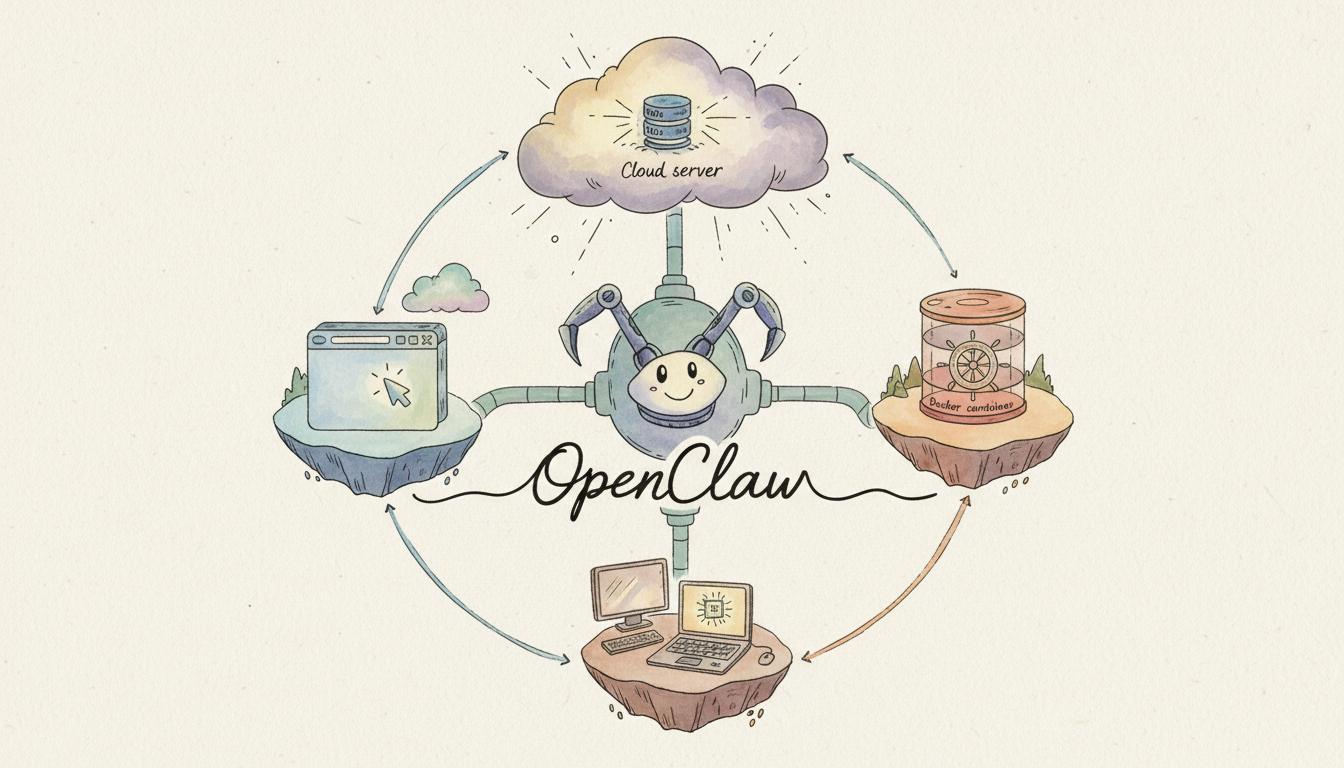
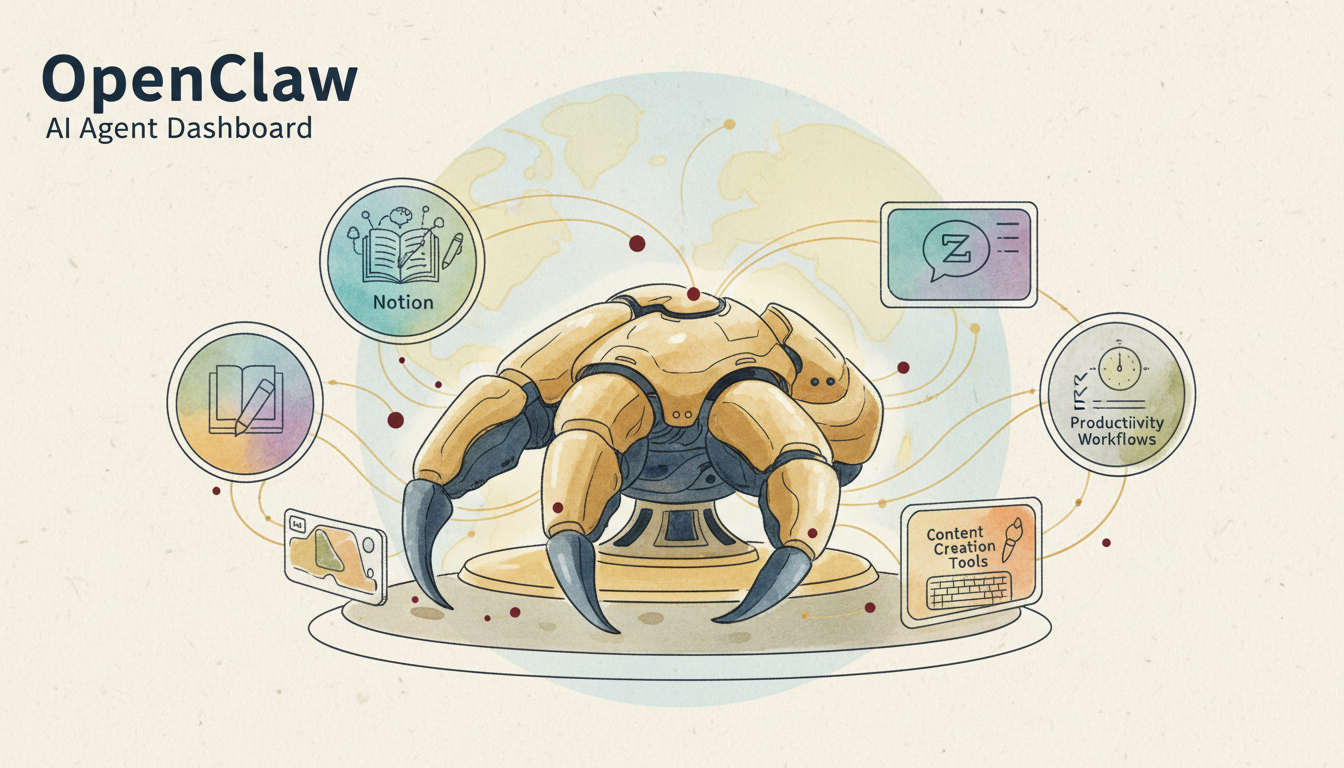
OpenClaw flips this script, as its README emphasizes. The gateway serves as a control plane, but the real product is the assistant. This framing underscores that OpenClaw isn't just about internal architecture. Instead, it defines a tangible assistant model: local-first, always-on, multi-channel, and under user control. This creates a different foundation than frameworks primarily wired for backend logic or workflows.
Channels Redefine the Interaction Landscape
OpenClaw places heavy emphasis on communication channels, a stark contrast to traditional frameworks that remain agnostic about interaction surfaces. Those might plug into web apps, APIs, or consoles. OpenClaw, however, supports diverse messaging channels and device experiences, positioning the assistant right where users already work and communicate. This makes it feel like user-facing infrastructure rather than a hidden backend component.
Multi-Agent Routing for Everyday Practicality
OpenClaw also rethinks multi-agent setups. While traditional frameworks treat them as optional architecture, OpenClaw integrates routing as a core feature. Inbound channels, accounts, or peers can direct to isolated agents and workspaces, making multi-agent operations intuitive for real-world contexts. It supports distinct identities for different scenarios, beyond mere prompt variations.
Security and Setup: A Deliberate Philosophy
The project's vision document highlights secure defaults, reliable setup, and clear visibility into permissions and trust boundaries. Its terminal-first approach is by design, avoiding convenience layers that obscure security choices. This contrasts with platforms prioritizing quick onboarding, reminding us that powerful assistants demand explicit user control alongside usability.
Why These Differences Reshape Expectations
Viewing OpenClaw through this lens changes your evaluation. Treating it like a standard framework might limit you to features and integrations. But as personal AI assistant infrastructure, it invites questions about fit with your identity, channels, devices, boundaries, and habits. This broader perspective elevates it beyond typical framework choices.
Wrapping Up: A Conceptual Shift
Ultimately, OpenClaw's distinction from traditional AI agent frameworks is conceptual, not just technical. Those frameworks empower developers to construct agent systems. OpenClaw aims to shape what a persistent, operational personal assistant feels like in your environment. This positions it within a larger evolution of embedded AI.