ClawTrust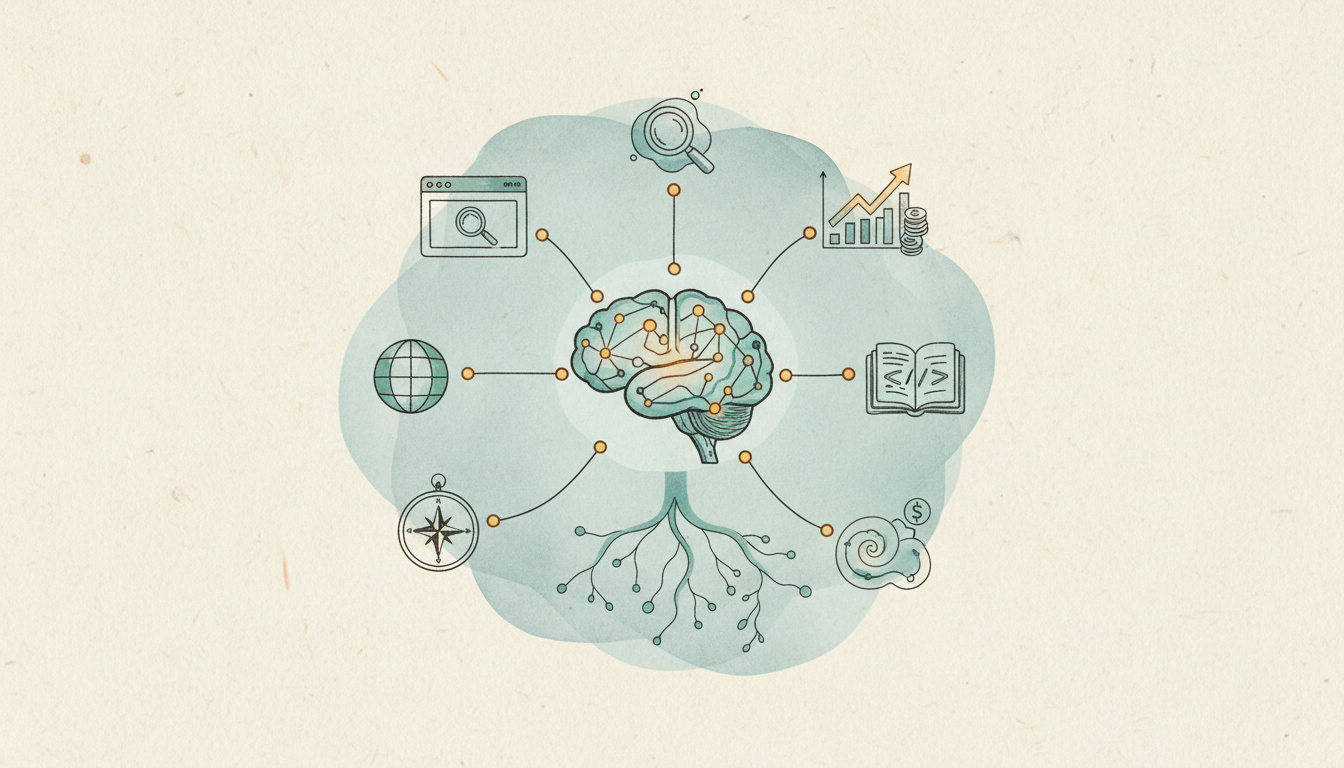
Beyond the Chatbot: Top 10 OpenClaw Skills Defining the Agentic Era
The conversation around AI has shifted. We're past the point where a chatbot that just talks impresses us—we want AI that takes action. This is the agentic era, where AI agents operate autonomously, leveraging tools, browsing the web, and handling complex workflows.
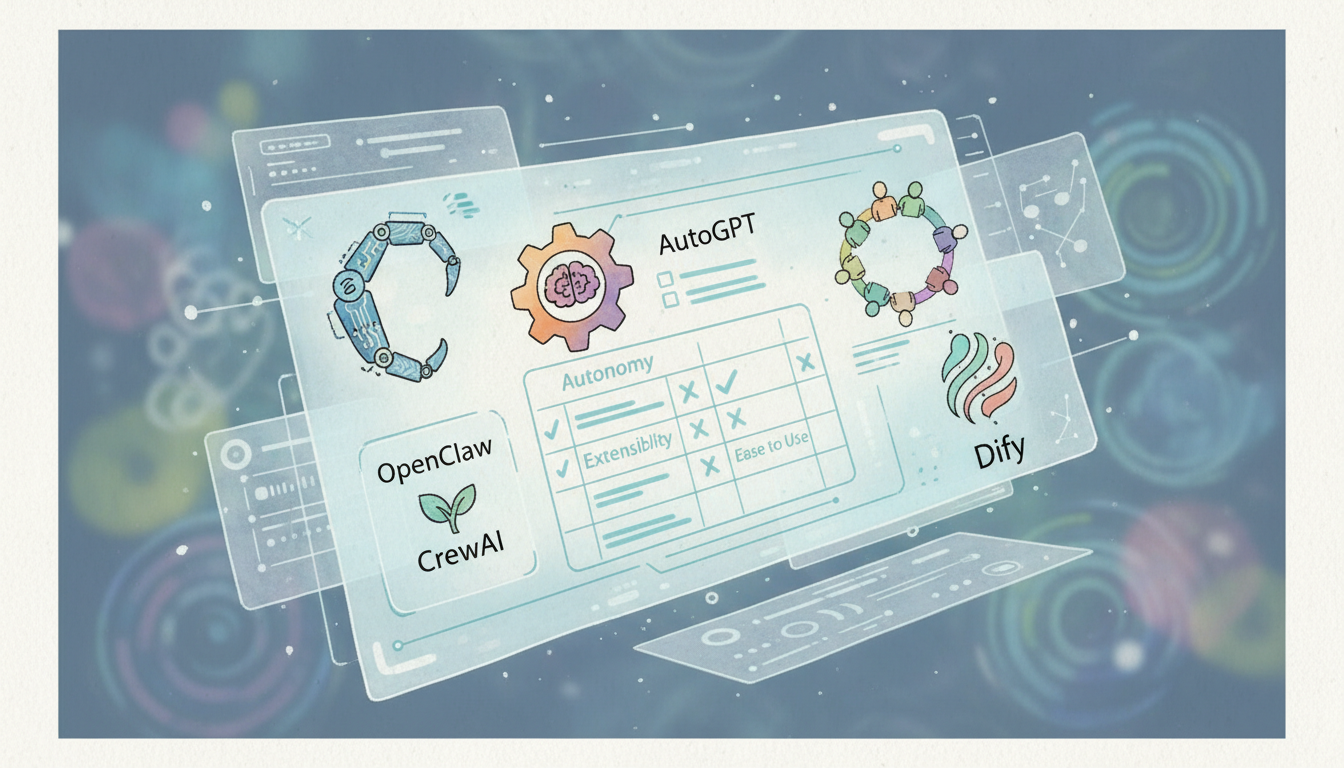
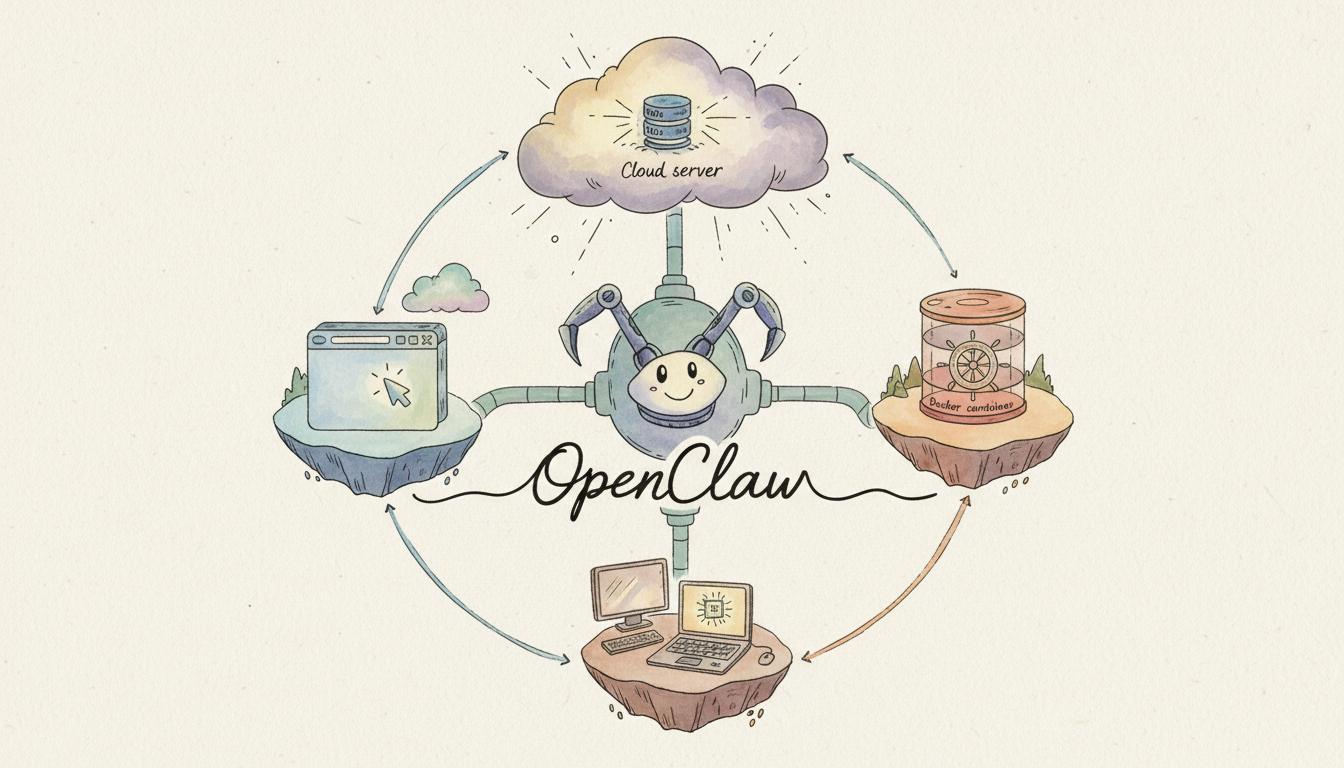
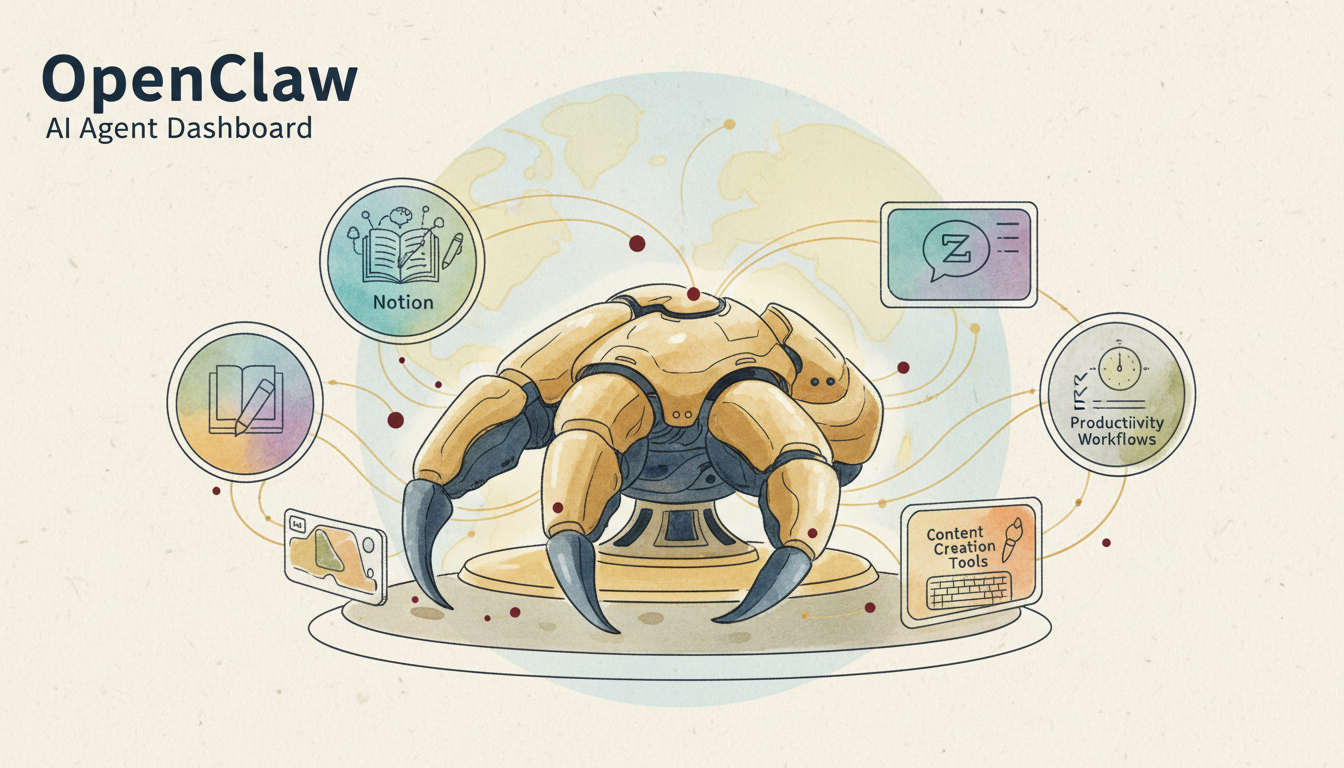
OpenClaw sits at the center of this shift, offering an ecosystem for developers to plug skills into their agents. No matter if you're building in San Francisco, London, or Singapore, these top 10 OpenClaw skills stand out globally, transforming basic LLMs into robust operational systems.
The Top 10 OpenClaw Skills Powering AI Agents
1. Tavily AI Search: The Golden Standard for RAG
For agents operating worldwide, real-time knowledge is essential. Tavily has emerged as the leading skill for Research-Augmented Generation (RAG). It delivers clean, LLM-optimized Markdown text from searches, free from ads and tracking noise found in standard engines.
2. Agent Browser: The Agent's Hands and Eyes
Web scraping is outdated; interactive browsing is now key. Skills like Agent Browser let AI agents use browsers directly—clicking buttons, filling forms, and handling JavaScript-heavy sites. This proves vital for automating tasks without APIs.
3. GitHub & GitLab Integrations: The Coding Co-Pilot
In the developer world, repository interactions are essential. These OpenClaw skills enable agents to read codebases, submit pull requests, and manage issues independently, functioning like a junior developer within the agent's context.
4. Google Maps & Places: Spatial Intelligence
Logistics and travel agents depend on spatial awareness. This skill helps agents calculate distances, locate businesses, and grasp geographic contexts, forming a foundation for real-world AI applications.
5. Slack & Discord: The Communication Layer
Agents collaborate alongside humans. These communication skills allow posting updates, summarizing threads, and triggering workflows from chat commands in key professional platforms.
6. Python Interpreter: Unleashing Computational Power
When LLMs hit limits on math or data analysis, a Python sandbox skill steps in. Agents can write and run code dynamically for data science tasks or visualizations.
7. YouTube & Media Processors: Rich Content Analysis
With video everywhere, agents must process media. Skills for transcripts, metadata summaries, or FFmpeg clipping are rising fast among content creators and marketers.
8. Filesystem & Terminal Access: The Power User Skill
Local automation requires machine interaction. These skills let agents manage files, execute shell commands, and handle environments—always within secure sandboxes.
9. Exa (formerly Metaphor): Semantic Search
Tavily handles data; Exa captures meaning. Using embeddings, it searches by semantic similarity rather than keywords, ideal for in-depth qualitative research.
10. Financial & Crypto Data: The Global Economy Layer
From stock prices via Alpha Vantage to blockchain tracking, financial skills support hedge funds, fintechs, and investors seeking automated insights.
Why OpenClaw Skills Are Gaining Global Momentum
OpenClaw's strength lies in its interoperability. It works seamlessly with LLMs like Claude, GPT-4, or Llama 3, offering a universal action interface.
In 2026 and beyond, top agents won't rely on size alone—they'll excel through versatile toolkits. Mastering these OpenClaw skills equips developers to create problem-solvers spanning timezones and industries.
FAQ: Common Questions on OpenClaw Skills
Are these skills safe to use?
Safety hinges on implementation. Many professional OpenClaw skills include 'Confirmation Gates,' requiring human approval for sensitive actions like file deletions or purchases.
Can I build my own OpenClaw skill?
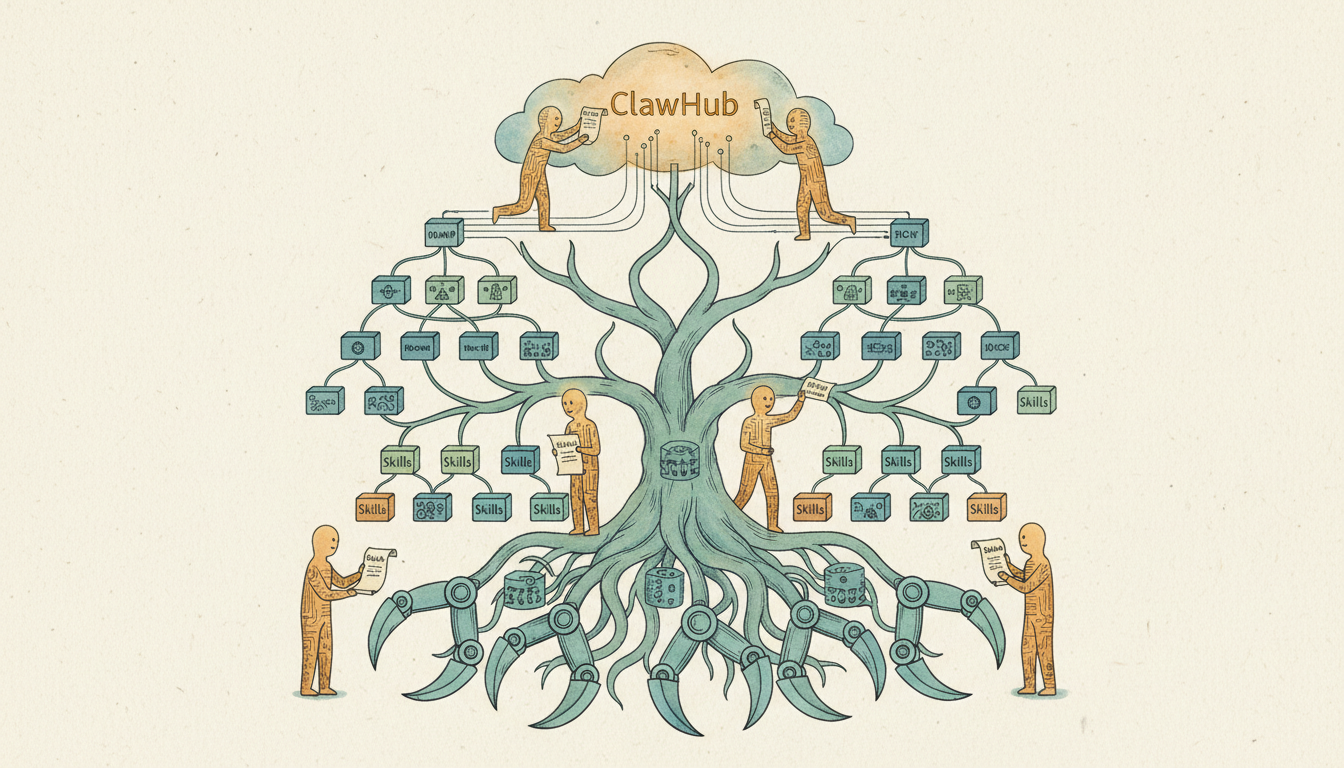
Yes. Built on the Model Context Protocol (MCP), it's straightforward for those with API basics to create and share skills on registries like ClawHub.
Do these skills work in all languages?
While APIs may lean English, the agent's LLM can translate on the fly, enabling use in any supported language.