ClawTrust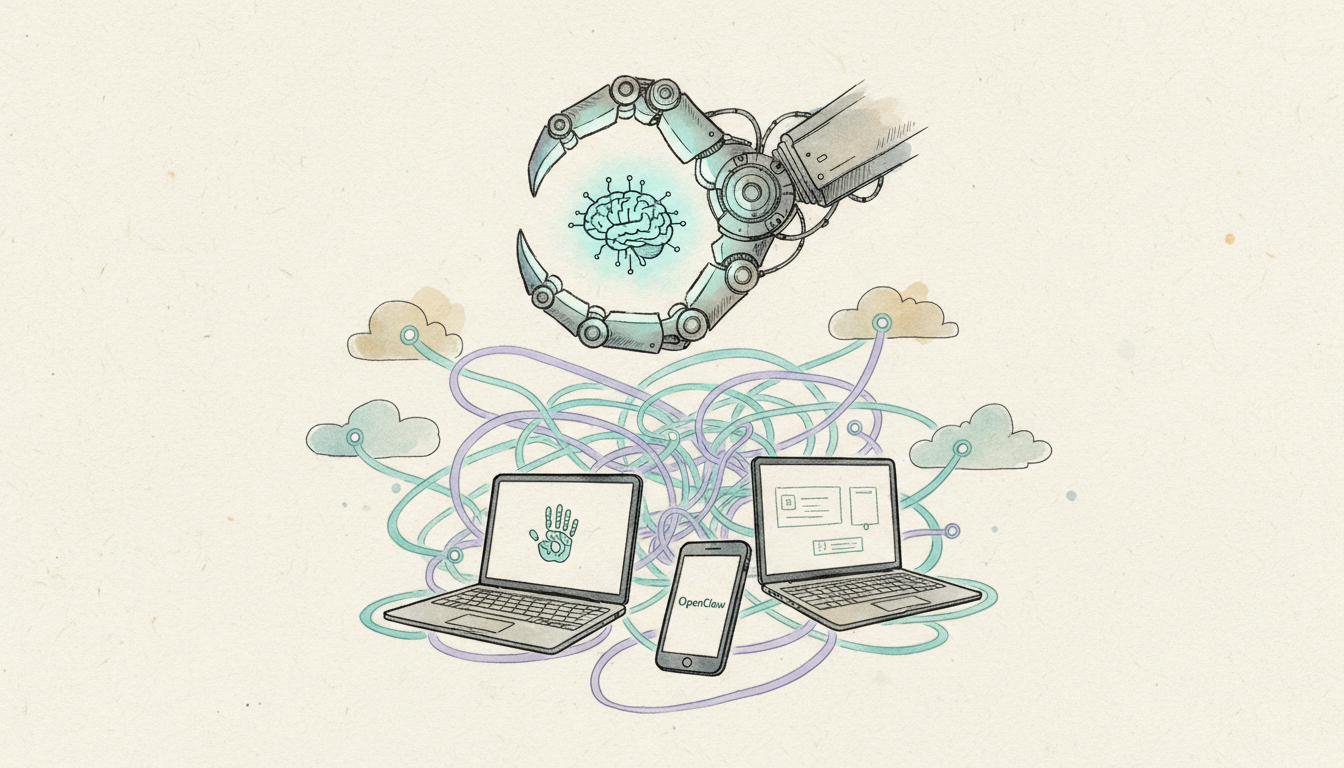
The Erosion of Cloud-Default Assumptions
For years, the go-to approach in AI development leaned heavily on cloud infrastructure. Developers and teams relied on hosted APIs and platforms for smarter assistants, smoother automation, and quicker iterations. But heading into 2026, that mindset is shifting. More power users and teams are questioning the cloud-only model, wondering if the most effective AI lives right on their own devices. This is where local-first AI agents come in—and why OpenClaw aligns so well with the trend.
| Feature | Cloud-First AI | Local-First (OpenClaw) |
|---|---|---|
| Data Residency | Third-party Servers | Your Own Devices |
| Latency | Network Dependent | Low (Local Execution) |
| Governance | Platform Terms of Service | Your Own Rules |
| Relationship | Software as a Service | Extension of Environment |
Control and Privacy in Everyday Operations
The appeal of local-first AI agents goes beyond ideals—it's rooted in practical needs like control, privacy, reliability, and context-aware execution. When AI starts handling real tasks—accessing messages, coordinating workflows, managing files, or linking channels—users need assurances on where it runs and how it's governed. OpenClaw addresses this directly by operating on your devices, within your channels, under your rules, making it a strong fit beyond just hobbyist setups.
Core Philosophy: 'The more important AI becomes, the more users want it to run closer to where work, identity, and trust actually live.'
Prioritizing User Sovereignty in Design
OpenClaw's local-first approach isn't mere marketing. It positions itself as a personal AI assistant that runs on your hardware, prioritizing the assistant itself over any central gateway. The gateway handles control, but the assistant is the core product. This design choice empowers users to own and operate their AI systems, a distinction that's increasingly valued by teams planning long-term infrastructure.
Seamless Integration Across Fragmented Workflows
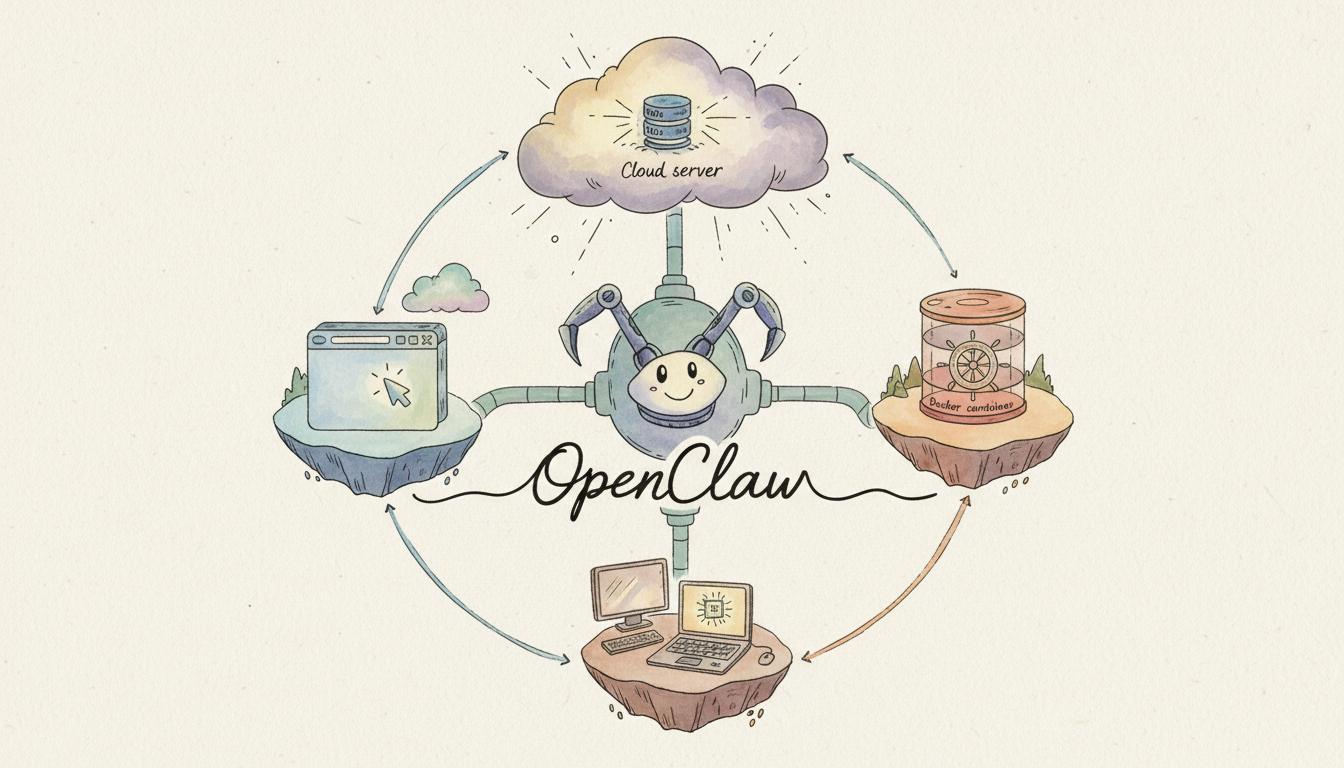
Local-first systems like OpenClaw also match the reality of modern work, where people switch between devices, apps, tools, and services constantly. OpenClaw supports this by integrating with various channels and enabling secure connections to a hosted gateway via Tailscale or SSH tunnels. It maintains user control without forcing everything onto a single device, accommodating distributed setups effectively.
Supported Technical Access Patterns
- Direct Local Access: Running natively on host hardware.
- Mesh Networking: Secure connection via Tailscale.
- Encrypted Tunnels: Remote access through SSH tunnels.
- Cross-Platform: Deployment across diverse OS environments.
Security via Explicit User Controls
Security drives much of this growth too. OpenClaw aims for strong defaults that preserve capabilities, ensuring risky actions remain explicit and operator-controlled rather than buried in convenience layers. This balances usability with safety, resonating with users wary of cloud-only AI for sensitive workflows.
Building Proximity as an Extension of Your Environment
Local-first AI fosters a closer bond. Cloud tools feel like distant services; local ones integrate into your devices and channels, encouraging constant use. OpenClaw's focus on being local, responsive, and always available embodies this, offering not just better performance but true proximity to daily tasks.
Meeting the Demand for Operational Ownership
Local-first isn't ideal for every case—some teams prioritize cloud for rapid deployment. Yet the trend toward ownership, visibility, privacy, and customizable trust is clear as AI embeds deeper into operations. OpenClaw was designed with these priorities from the outset, not as afterthoughts.
AI Aligned with Trust and Identity
Local-first AI agents are gaining traction because they address a key insight: as AI grows essential, users prefer it close to their work, identity, and trust boundaries. OpenClaw makes this tangible by embedding sovereignty into its core, turning it into a strength rather than a compromise.