ClawTrust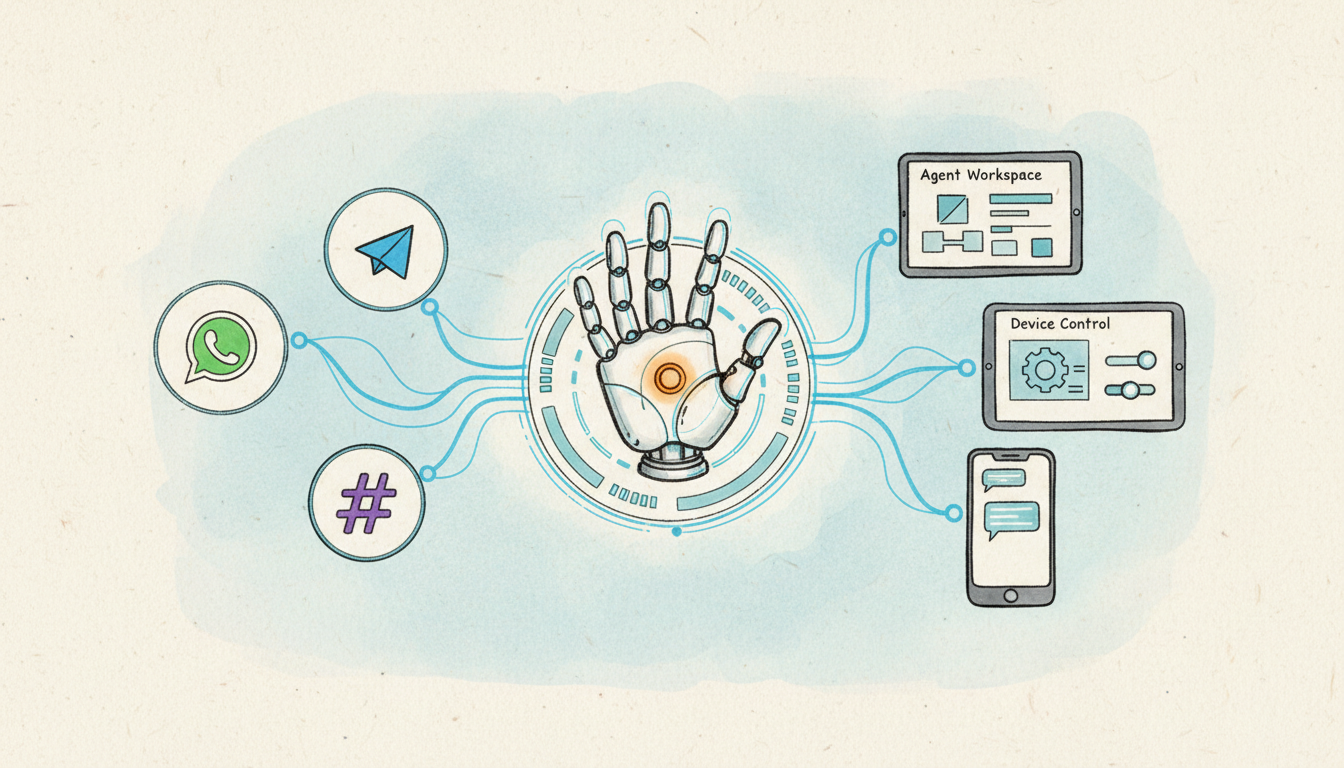
Why OpenClaw Stands Out as a Practical AI Assistant
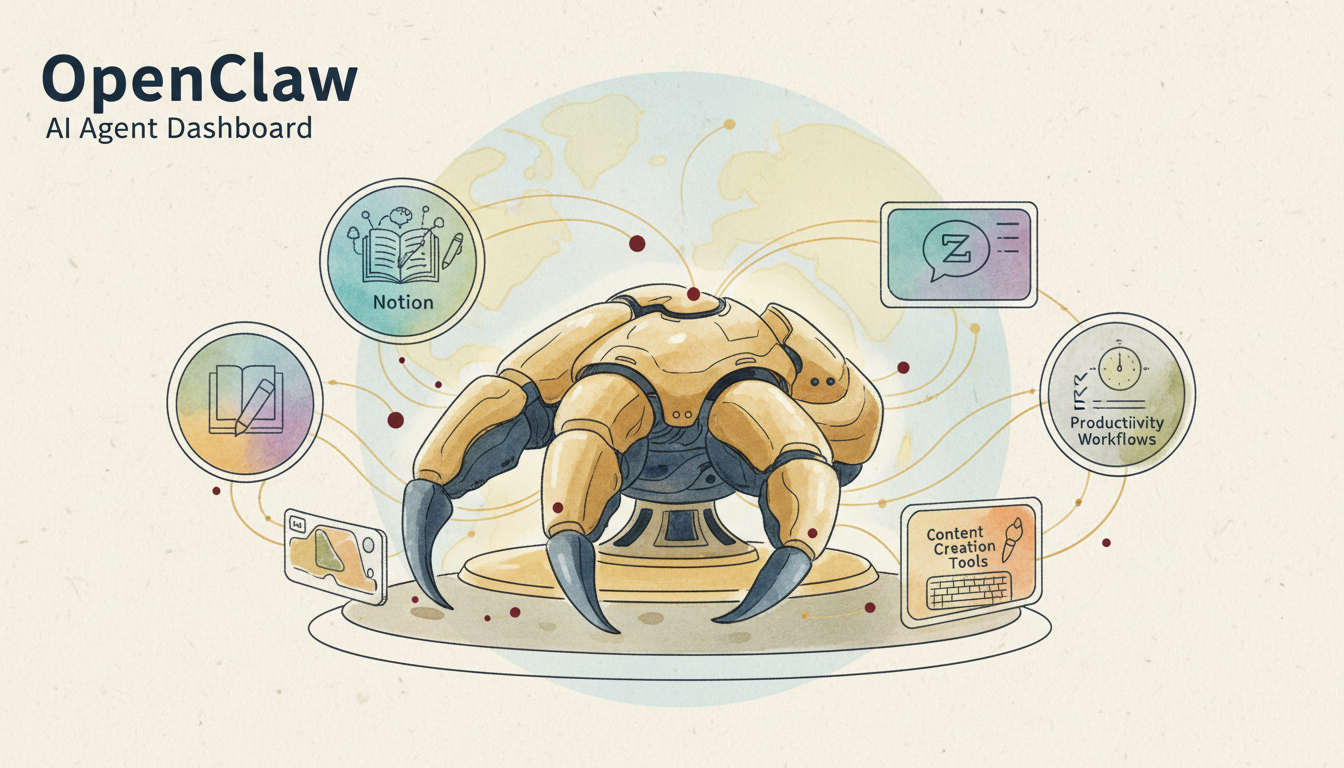
Most AI assistants today act like advanced chatbots. They excel at answering questions, summarizing content, and generating text, but they often struggle with actual execution. OpenClaw changes that. As a personal AI assistant that runs locally on your devices, integrates with your preferred channels, and follows your rules, it moves beyond prompting to deliver real operational outcomes in everyday workflows.
This straightforward design reframes AI from reactive tools into proactive partners that fit seamlessly into your routine.
A Local-First, Always-On Environment
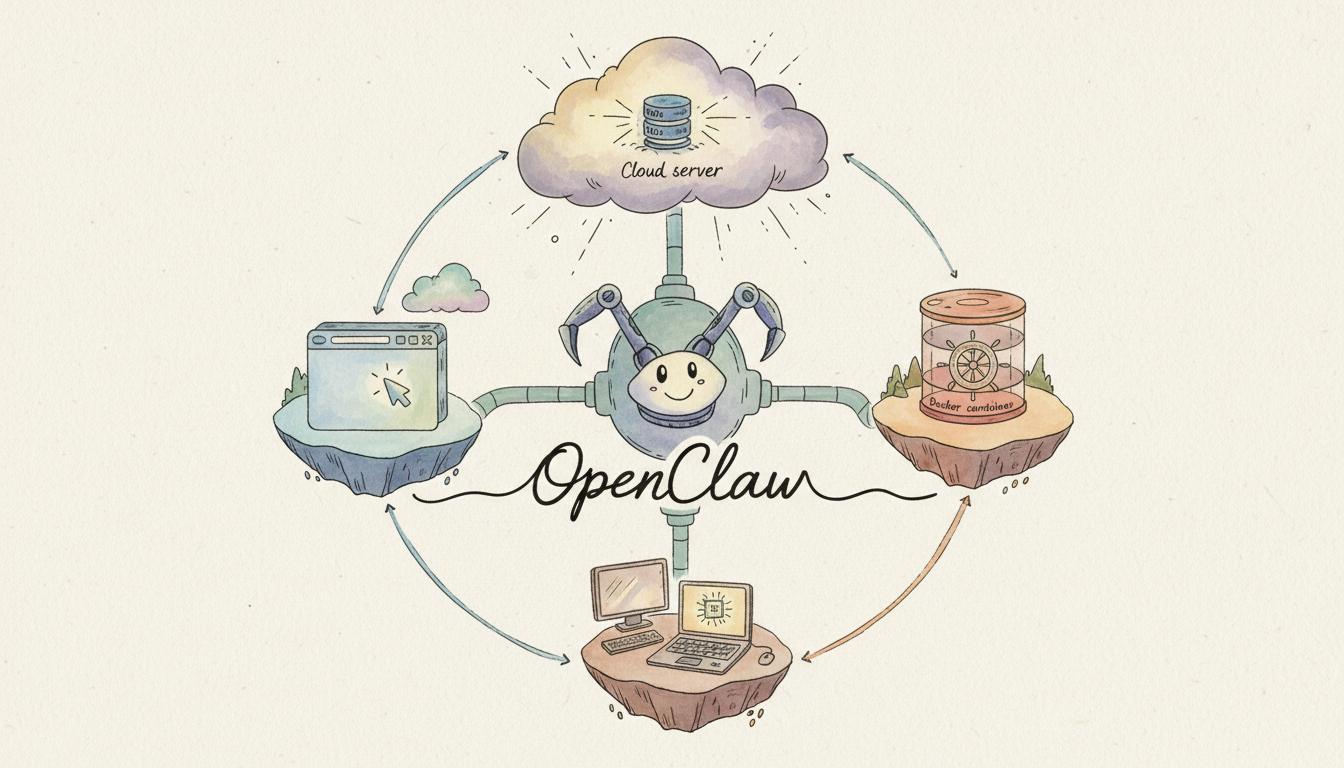
What makes OpenClaw feel different comes from its thoughtfully built environment, not just standalone features. Instead of limiting AI to a browser tab, OpenClaw makes the assistant the central product, with interfaces as simple control points. This creates a local-first setup that's responsive, persistent, and embedded across your tools—from messaging apps and devices to voice interfaces and dedicated agent workspaces. It's a meaningful advance over typical agent frameworks.
Multi-Channel Integration for Seamless Workflows
At the heart of OpenClaw is its multi-channel architecture. It works with platforms like WhatsApp, Telegram, Slack, Discord, Signal, iMessage, Microsoft Teams, LINE, WeChat, and more. By connecting directly to where you already communicate and collaborate, it removes the need to switch apps. Over time, OpenClaw evolves from a simple launch point into reliable infrastructure for your workflows.
Multi-Agent Routing for Specialized Tasks
OpenClaw understands that one AI can't handle everything effectively. It features multi-agent routing, which directs specific channels, accounts, or peers to isolated agents with their own workspaces and sessions. This setup reflects real-world patterns: one agent for personal tasks, another for coding, operations, or research. It provides structured control while maintaining consistent personalities across agents.
A Long-Term Vision Centered on Everyday Utility
The OpenClaw roadmap emphasizes practicality, with focus on secure defaults, reliable installation, better computer-use capabilities, ergonomic enhancements, and companion apps for major operating systems. Known as 'the AI that actually does things,' it prioritizes dependable integration into daily life over one-off demos.
Security, Permissions, and User Control from the Start
OpenClaw's strength shows in its approach to setup, permissions, and security. The terminal-based installation puts critical decisions in your hands upfront, steering clear of hidden risks in overly simplified interfaces. Though not as polished as one-click installs, this method highlights a core principle: powerful, device-integrated AI requires transparency and direct oversight alongside capable models.
Building Toward a Persistent Digital Operator
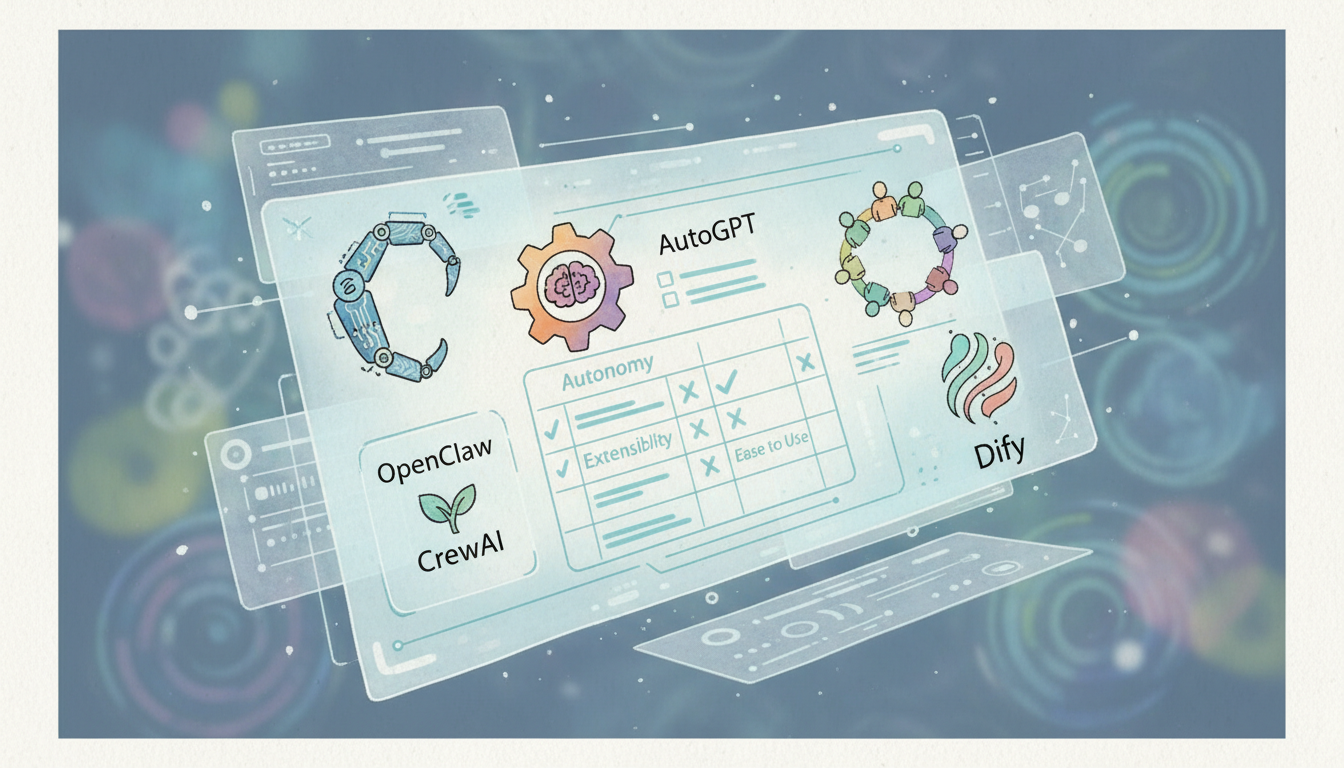
In the end, OpenClaw goes beyond standard agent prototypes or chat enhancements. It aims to become a persistent layer woven into your key tools and interfaces. It won't fit every use case—some may prefer visual builders or pure orchestration—but for those wanting a workflow-focused digital operator, OpenClaw offers a targeted solution.
Aligning with 2026 Expectations for AI Assistants
By 2026, AI assistants need to stay close to workflows, respect privacy, work across channels, and enable real actions—not just conversation. OpenClaw builds these elements in from the foundation, serving as an early model for practical personal AI.