ClawTrust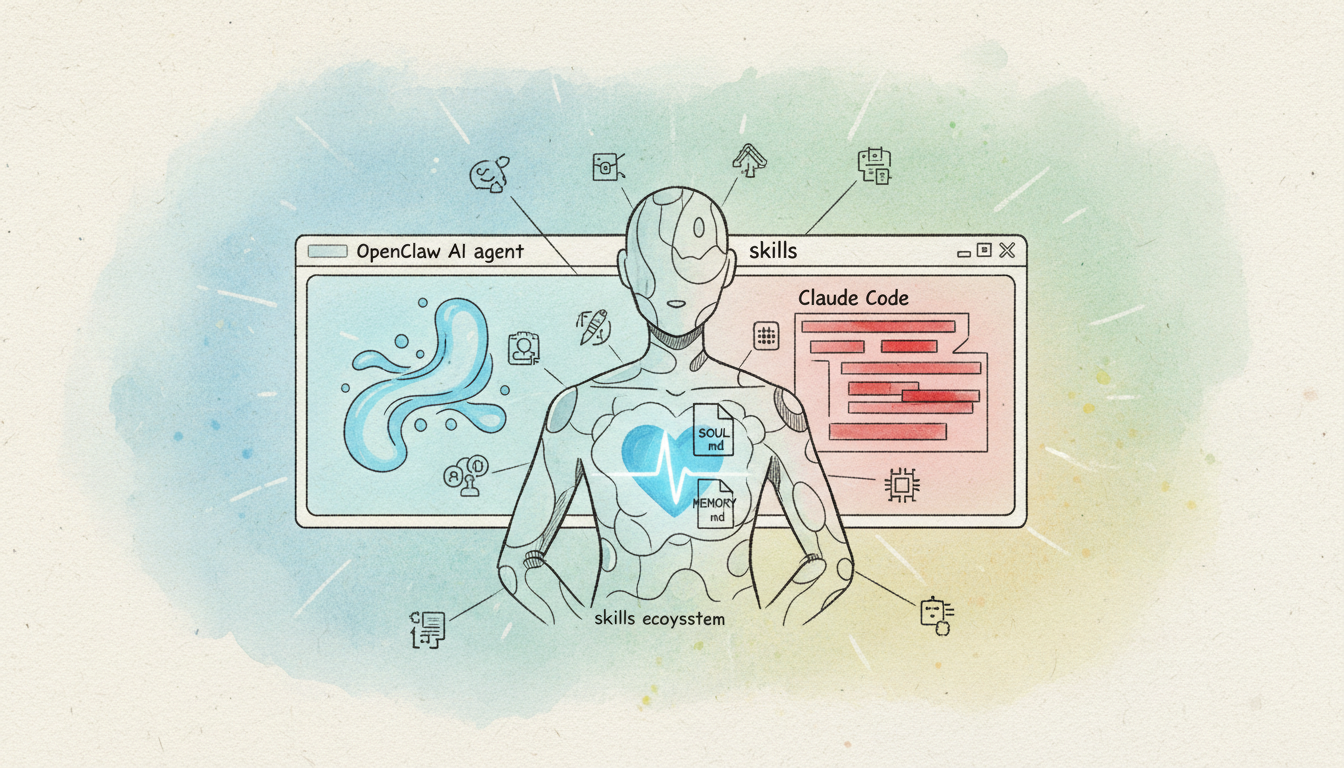
Why OpenClaw Remains Essential in the Age of Claude Code (2026)
In the fast-evolving AI landscape of 2026, developers and automation enthusiasts face a pressing question. Anthropic's Claude Code, a speedy terminal-based tool tailored for the Claude ecosystem, has sparked debate: Does OpenClaw still have a place? Or can a native coding agent from a top provider replace it?
Both tools push the boundaries of agentic AI. Yet, from hands-on testing across different setups, one key difference stands out. Claude Code shines as a precise terminal companion, while OpenClaw lays the groundwork for a fully autonomous digital presence.
1. Ephemeral Sessions vs. Digital DNA
Persistence sets them apart most clearly. Claude Code handles quick tasks like refactoring, debugging, and repo navigation in your current terminal session. But it's stateless—context fades when the session ends.
OpenClaw takes a different approach, acting like a persistent operating system for your digital self. Its core files, SOUL.md and MEMORY.md, form what we call Digital DNA.
- SOUL.md outlines the agent's philosophy, behavior rules, and your security protocols.
- MEMORY.md serves as a growing knowledge base that builds over time.
OpenClaw doesn't just assist with code. It absorbs your business logic, personal schedules, and long-term goals through ongoing interactions, evolving rather than resetting.
2. Strategic Model Sovereignty
Claude Code ties you to the Anthropic ecosystem, leveraging Claude's strengths but risking provider lock-in.
OpenClaw stays model-agnostic and adaptable. With shifting API costs, availability, and performance, this flexibility provides real strategic control.
- Orchestrator edge: Plan with Claude 3.5 Opus, then execute via GPT-4o, Gemini 1.5 Pro, or local models like DeepSeek-V3 for cost efficiency.
- Global resilience: Routing logic switches to backups during outages, maintaining workflow continuity.
3. Proactive Agency: The Heartbeat Factor
The divide here is reactive versus proactive. Claude Code responds to your commands, like a helpful terminal sidekick.
OpenClaw's Heartbeat mechanism makes it proactive, running continuously in the background—even when you're away.
- It can check your CRM for leads, summarize market news, and prepare responses overnight.
- This shifts AI from a tool to a digital colleague managing scheduled tasks, health checks, and notifications.
4. Surface Area: Terminal Lock vs. Global Access
Claude Code stays within the terminal, ideal for dev workflows.
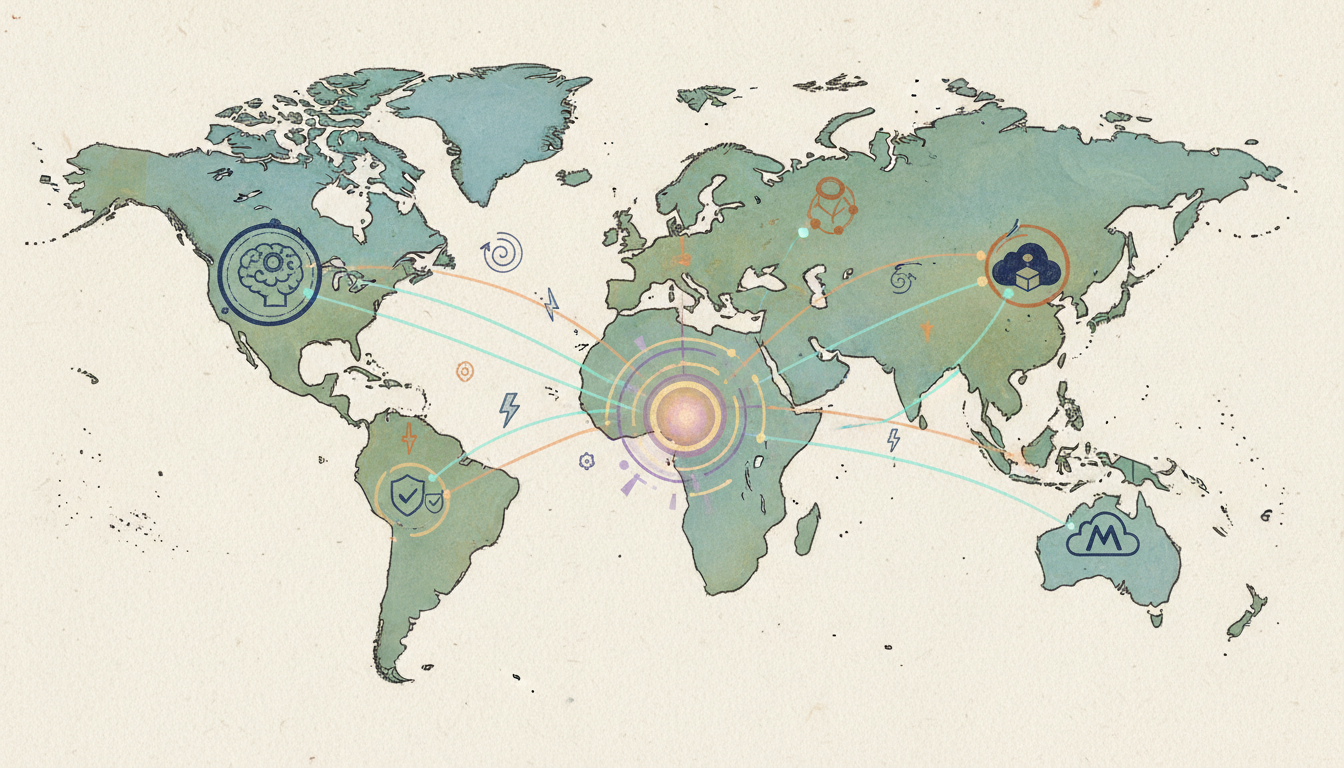
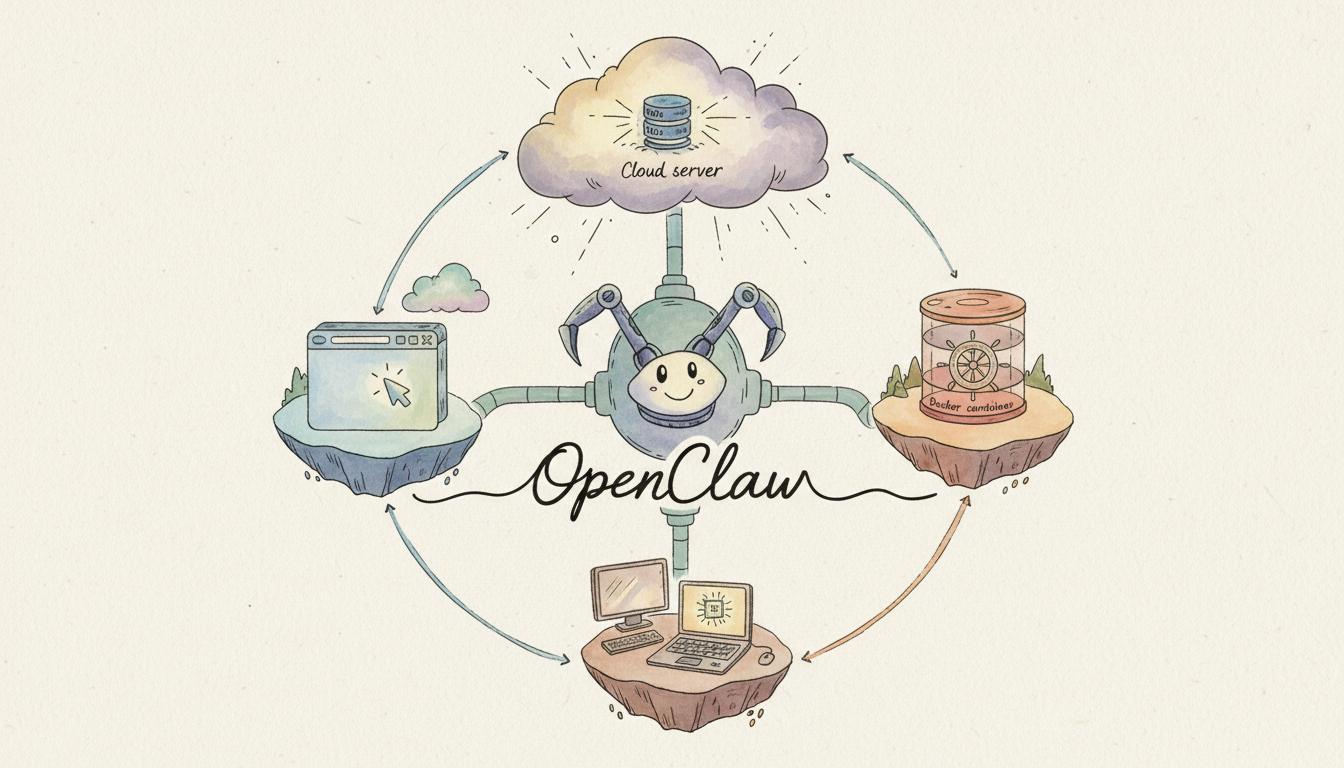
OpenClaw reaches further, integrating with Telegram, Discord, Slack, and WhatsApp for everyday use.
- Mobile access: Dictate a voice note at an event; it transcribes, queries your data, and delivers insights.
- Team collaboration: In Slack, it grasps full context for group interactions.
5. Beyond Code: The Skills Ecosystem
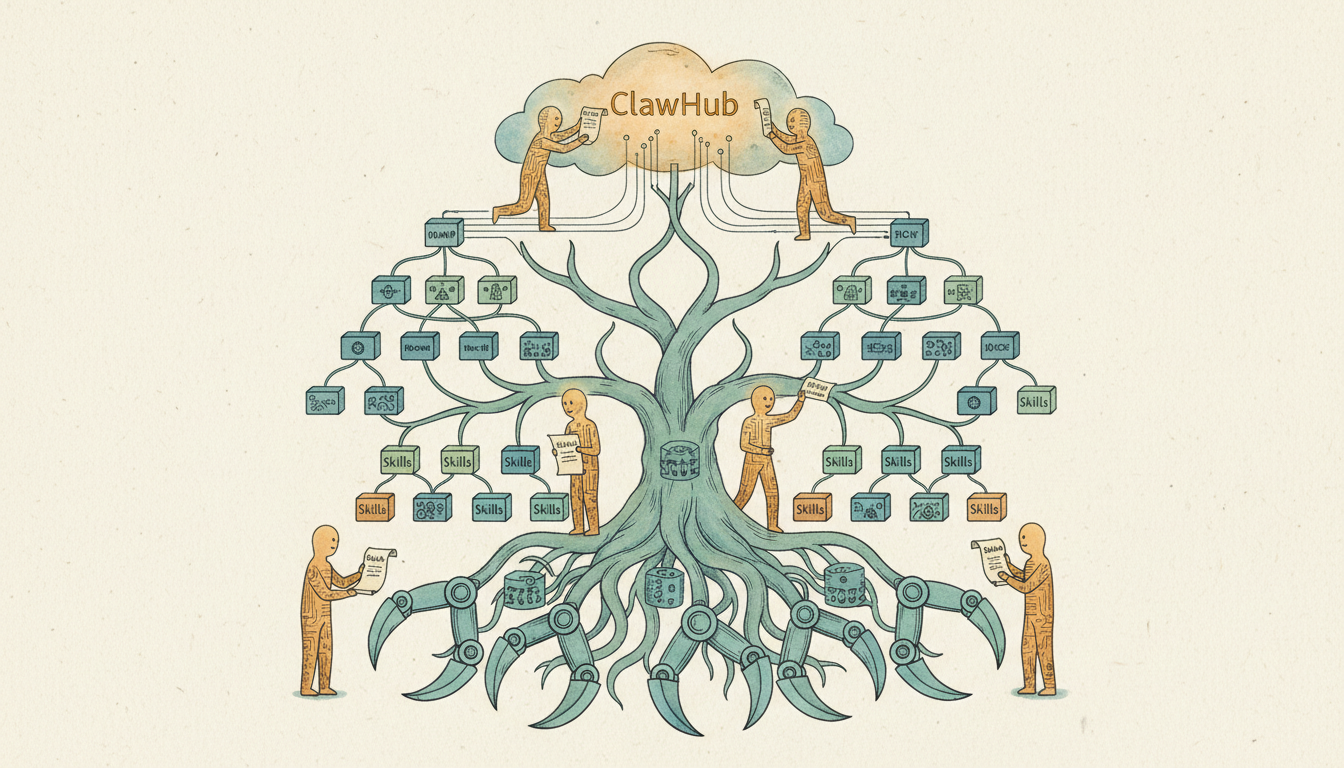
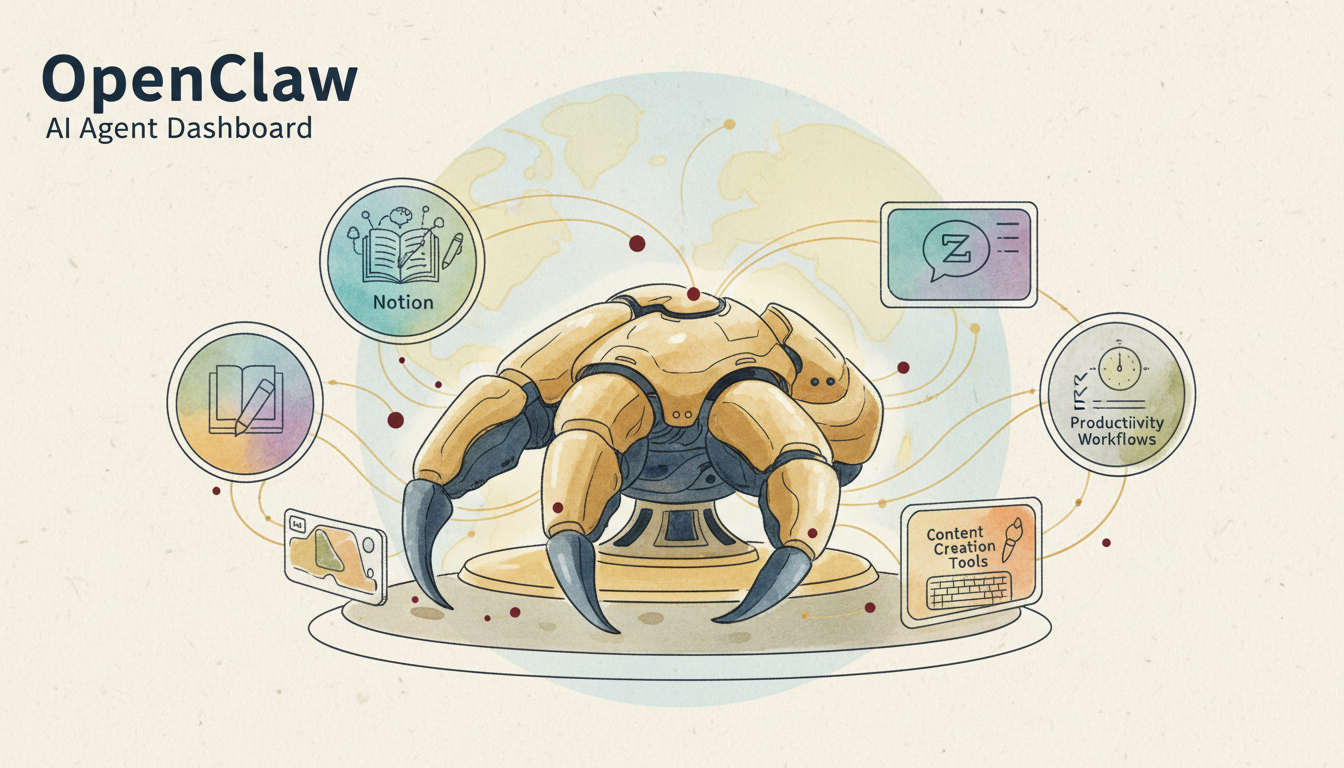
Claude Code centers on coding environments. OpenClaw extends to broader agency via its Skills system and ClawHub.
- Personal CRM: Pulls in Gmail and Calendar for relationship management.
- Content pipelines: Scrapes YouTube, transcribes, and schedules posts.
- Business analysis: Reviews Slack logs for team patterns.
The Verdict: Tool vs. Operating System
It depends on your goals. Claude Code excels for terminal-focused coding tasks like refactoring. OpenClaw builds lasting personal infrastructure—a digital twin that spans devices and models.
Claude Code is a top assistant for your terminal. OpenClaw is a top assistant for your life.