ClawTrust
From Asking to Building: What is Context Engineering?
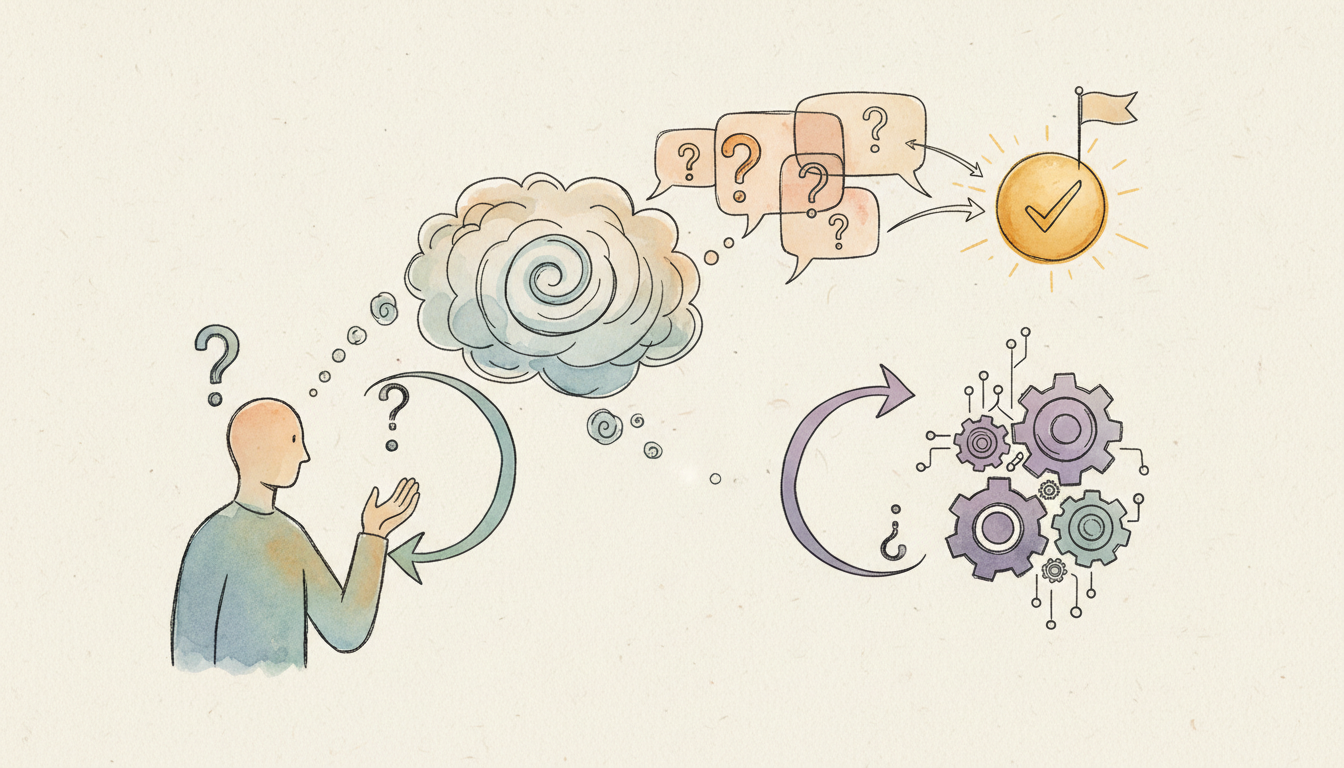
If prompt engineering is about crafting the right instruction, context engineering builds the entire infrastructure around it. It's the systematic design of the working memory you feed into a large language model (LLM).
Think of a prompt as a single command. Context creates the world where that command operates—complete with ground truths, formatting rules, historical precedents, and key variables. This approach equips the AI for precise, reliable performance in complex tasks, especially as context windows expand.
The Three Pillars of High-Performance Context Engineering
In today's model-agnostic setups, effective context engineering rests on three core pillars. These principles let you make the most of massive context windows without overwhelming the model.
I. Structural Grounding (The Skeleton)
Large language models perform best with clear hierarchy and logic. Context engineers use XML tags, Markdown headers, or JSON schemas to cleanly separate instructions from data.
- Why it works: This reduces attention noise. For instance, tagging <background_data> distinctly from <task_instructions> keeps the model from mixing facts with directives.
II. Context Window Management (The Memory)
Even with models handling millions of tokens, filling the window completely invites higher costs and 'lost-in-the-middle' problems where key details get overlooked.
- The strategy: Prune and summarize ruthlessly. Include only the most relevant conversation snippets or document sections to maintain sharp focus amid potential distractions.
III. Dynamic Variable Injection (The Data)
Static prompts cap what AI can achieve. Modern context engineering pulls real-time data from CRMs, local files, or web searches into structured templates.
This transforms a general-purpose model into one tailored with up-to-date, project-specific insights.
The ROI of Context Engineering: Precision vs. Cost
Shifting from casual prompting to engineered context delivers clear benefits in real-world applications, from agentic workflows to data analysis pipelines.
- Reliability at scale: Well-structured context often hits 95%+ success rates on complex tasks, far outpacing the variability of plain prompts.
- Token efficiency: Organized data uses fewer tokens overall, lowering API costs while improving output quality.
- Model agnosticism: These techniques perform consistently across providers like Gemini 3 Flash, GPT-4o, or local Llama models.
The 2026 Workflow: The Context-First Approach
Experienced practitioners start with a context template rather than a blank slate.
- Define the role: Establish the agent's high-level identity.
- Define the knowledge: Curate the reference data set.
- Define the constraints: Set boundaries, no-go areas, and formatting rules.
- Execute the variable: Slot in the specific task or user query.
Conclusion: The Era of the Digital Architect
Mastering context engineering gives you a real edge. AI excels as a processor of organized information, not as an unpredictable magic box.
By prioritizing context, you design systems where subpar results become rare.
The prompt is the spark. The context is the engine.
Reference: Based on the Context Engineering Guide (2026 Frameworks).